
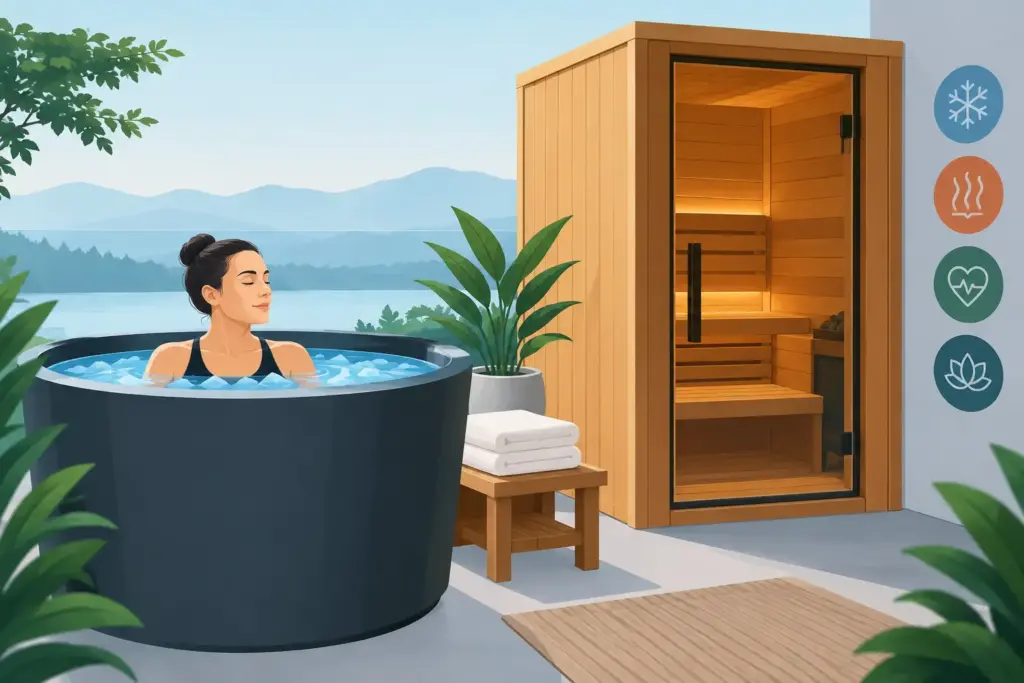
A hard workout, a long workday, or a restless night can leave your body feeling like it never quite shifted out of high gear. That is where cold plunge sauna benefits become compelling for homeowners building a recovery-focused space. The appeal is not just the rush of hot-to-cold contrast. It is the ability to create a repeatable ritual that asks you to slow down, breathe with intention, and give your body a clear transition from exertion to recovery.
A sauna and cold plunge can be a powerful pairing, but they are not a magic fix. The best results come from choosing quality equipment, using a protocol that fits your goals, and respecting your personal health considerations.
How Cold Plunge Sauna Benefits Work
Heat and cold create two very different sensations. In a traditional sauna, rising body temperature encourages sweating and increases circulation near the skin. Many people experience deep physical relaxation, looser-feeling muscles, and a welcome mental break from constant stimulation.
A cold plunge creates the opposite response. Cold water causes blood vessels near the skin to constrict and produces an immediate, intense sensory signal. Your breathing may become quick at first, which is why calm, controlled breathing matters. Once you settle in, many users report feeling alert, clear-headed, and energized.
Moving between the two is often called contrast therapy. Some people use a sauna first, then cool down in a plunge. Others prefer to finish with heat and leave feeling warm and relaxed. There is no single order that is right for everyone. Your desired outcome matters: a cold finish may suit a morning reset, while a warm finish can make more sense before an evening wind-down.
The Most Meaningful Cold Plunge Sauna Benefits
Recovery that feels more intentional
After training, the combination can make soreness and fatigue feel more manageable. Heat may help muscles feel less stiff, while cold immersion can provide short-term relief from post-exercise discomfort. For runners, lifters, skiers, and active families, that can make the next day feel more approachable.
There is a useful trade-off to understand. If building maximum muscle size and strength is your primary training goal, frequent cold immersion immediately after resistance training may interfere with some of the inflammation-related signals involved in muscle adaptation. You do not necessarily need to skip cold exposure, but consider separating it from hard lifting sessions by several hours or reserving it for rest days, endurance work, or times when feeling recovered matters more than maximizing training adaptation.
A practical way to downshift stress
A sauna session creates a contained period without screens, meetings, chores, or notifications. Adding a short cold plunge can make that ritual feel even more deliberate. The cold demands attention, and the return to steady breathing can feel remarkably centering.
That does not mean contrast therapy treats anxiety, depression, or chronic stress conditions. It can, however, be a valuable part of a broader routine that includes sleep, movement, nourishing food, and professional care when needed. For many homeowners, the value is simple: their recovery space becomes a place they actually use instead of a wellness idea they keep postponing.
Better sleep routines for some users
Regular sauna use may support relaxation before bed, particularly when sessions are completed early enough for the body to cool down afterward. A cold plunge can feel invigorating, though, so it is not automatically the best choice late at night. Some people sleep well after a brief cold finish; others feel too alert.
Experiment with timing rather than forcing a trend. Use sauna-only sessions in the evening for a few weeks, then test a short, moderate cold plunge on a night when you do not need to be up early. Your own sleep quality is more useful than a one-size-fits-all protocol.
A routine that makes wellness easier to maintain
The biggest benefit is often consistency. A premium home sauna and cold plunge remove the friction of driving across town, booking appointments, and relying on crowded facilities. When the equipment is steps from your gym, patio, or master suite, a 20-minute reset becomes realistic on an ordinary Tuesday.
A Sensible At-Home Heat-and-Cold Protocol
Start conservatively. The goal is to build a practice you can repeat comfortably, not prove toughness on day one. A straightforward session might look like this:
- Warm up in the sauna for 10 to 15 minutes. Choose a temperature that feels challenging but controlled. Leave earlier if you feel dizzy, nauseated, or unwell.
- Cool down briefly before entering the plunge. Sit or stand outside the sauna for a moment and let your breathing settle. Never rush from extreme heat into cold water if you feel lightheaded.
- Plunge for 30 seconds to 2 minutes. Beginners should begin at the short end. Cold water is powerful, and longer is not automatically better.
- Rest and reassess. Dry off, walk gently, hydrate, and notice how you feel. One or two rounds are plenty for most home users.
Water temperature changes the experience dramatically. A plunge in the low 50s Fahrenheit can feel intense for a beginner, while colder temperatures demand more caution and shorter exposures. There is no prize for chasing the lowest number. A temperature you can use consistently, safely, and calmly is the right starting point.
Hydration matters, particularly after sauna use. Avoid alcohol before or during a session, and do not use heat or cold exposure when you are ill, severely dehydrated, or unusually fatigued.
Build a Setup You Will Use for Years
A well-designed home wellness area should feel convenient, not complicated. For a backyard recovery zone, an outdoor traditional sauna paired with a dedicated cold plunge creates a natural transition between heat, fresh air, and cold water. For an indoor gym or master-suite project, an infrared, traditional, or hybrid sauna may better suit available space and electrical requirements.
Before choosing equipment, think through more than the sauna cabin and plunge footprint. You will want a stable, level base, a safe walking surface that is not slippery, access to water, a drainage plan, and appropriate electrical service. In colder climates, year-round plunge use also makes insulation, circulation, and maintenance planning especially important.
Capacity matters too. A compact one- or two-person sauna can be ideal for a personal daily ritual, while a larger cabin makes sense for couples, families, and guests. Select Saunas hand-picks established sauna and wellness brands so buyers can focus on the format, heater, size, and features that fit their space instead of sorting through low-quality equipment.
Who Should Be Careful With Sauna and Cold Plunge Use?
Heat and cold both place demands on the cardiovascular system. Talk with a qualified clinician before starting contrast therapy if you have heart disease, uncontrolled high blood pressure, circulation problems, a history of fainting, neuropathy, kidney disease, are pregnant, or take medications that affect blood pressure or temperature regulation.
Do not use a sauna or cold plunge alone if you are new to intense heat or cold exposure. Stop immediately if you develop chest pain, severe shortness of breath, confusion, numbness, dizziness, or persistent shivering. Children, older adults, and anyone with a medical condition need extra care and individualized guidance.
Common Questions About Cold Plunge Sauna Benefits
Should you sauna before or after a cold plunge?
Sauna first and cold second is the classic contrast routine, especially if you want a bracing, energized finish. If relaxation before bed is the goal, ending with gentle heat may be more comfortable. Try both approaches at modest durations and pay attention to your energy, sleep, and recovery.
How often should you do contrast therapy?
Two to four sessions per week is a reasonable starting point for many healthy adults. Frequency should fit your training load, sleep, and recovery. A shorter routine you enjoy three times weekly is more valuable than an aggressive plan you abandon after two sessions.
Do you need extreme temperatures to get results?
No. Comfortable, controlled heat and moderately cold water can still create a satisfying ritual. Extreme heat and near-freezing water raise the difficulty and risk without guaranteeing better outcomes.
The best home recovery setup is the one that earns a place in your real life. Choose quality equipment, start with manageable sessions, and let consistency – not intensity – shape the benefits you feel over time.
Leave a Reply