
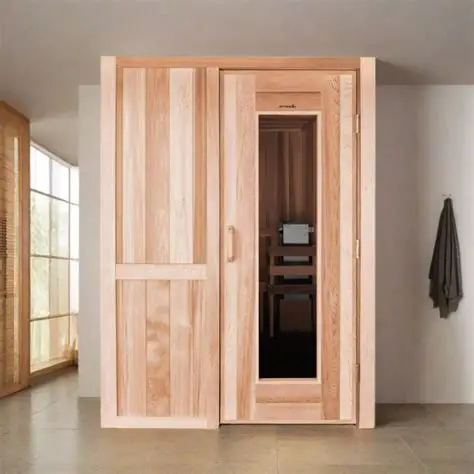
A sauna is more than just a heated room—it’s a personal sanctuary designed for relaxation, wellness, and rejuvenation. While most people focus on heaters, benches, lighting, and accessories, one of the most overlooked yet essential components is the Sauna Door. A properly designed sauna door does far more than provide an entrance; it plays a critical role in maintaining heat, preserving humidity, ensuring safety, improving energy efficiency, and enhancing the overall appearance of your sauna.
Unlike standard household doors, a Sauna Door must withstand extreme temperatures, constant humidity changes, and repeated heating and cooling cycles without warping, cracking, or losing its insulating properties. It must also meet strict safety requirements, allowing users to exit quickly and easily in the event of an emergency.
Modern sauna doors are available in a variety of materials and styles, ranging from traditional solid wood designs to sleek tempered glass options that create an open, contemporary feel. Advances in manufacturing have introduced better insulation, stronger tempered glass, corrosion-resistant hardware, and improved sealing systems, making today’s sauna doors more durable and efficient than ever before.
Whether you’re building a new sauna, renovating an existing one, or simply upgrading your current door, choosing the right Sauna Door is essential for creating a comfortable, safe, and long-lasting sauna environment.
This comprehensive guide explains everything you need to know about Doors, including their purpose, available styles, materials, safety features, installation considerations, maintenance requirements, and how to select the perfect door for your sauna.
Why Choosing the Right Sauna Door Matters
The sauna door acts as the barrier between the hot interior and the cooler exterior environment.
A properly designed Sauna provides several important benefits:
- Maintains heat inside the sauna
- Improves energy efficiency
- Helps regulate humidity
- Enhances user safety
- Reduces heat loss
- Complements sauna aesthetics
- Provides long-lasting durability
- Creates a comfortable sauna environment
A poorly designed or improperly installed door can result in heat loss, increased energy consumption, inconsistent temperatures, and reduced sauna performance.
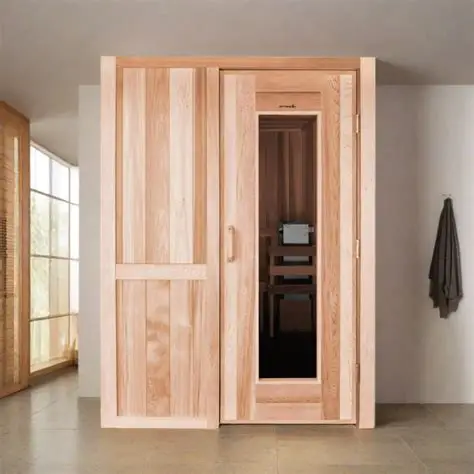
Unique Demands of a Sauna Environment
A Door must perform under conditions that ordinary household doors are simply not designed to handle.
High Temperatures
Traditional saunas commonly operate between:
- 150°F and 200°F (65°C–93°C)
Some commercial saunas may reach even higher temperatures.
Materials used in sauna doors must resist:
- Heat distortion
- Warping
- Cracking
- Structural weakening
High Humidity
Traditional Finnish saunas periodically experience dramatic humidity increases when water is poured over hot stones.
Quality Doors must withstand:
- Steam
- Moisture
- Condensation
- Continuous humidity changes
Thermal Cycling
Every sauna session subjects the door to repeated heating and cooling.
Premium materials resist:
- Expansion
- Contraction
- Surface deterioration
This ensures long-term structural stability.
Safety Requirements
Perhaps the most important requirement is safety.
Every Sauna Door should:
- Open outward
- Never lock from the inside
- Include easy-to-operate hardware
- Allow quick emergency exit
These features help prevent accidents while improving user safety.
Key Characteristics of a Quality Sauna Door
The best Door combines durability, insulation, safety, and attractive design.
Excellent Insulation
Proper insulation helps:
- Retain heat
- Improve efficiency
- Reduce heater workload
- Maintain consistent temperatures
Good insulation also lowers long-term operating costs.
Durable Construction
Quality sauna doors resist:
- Moisture damage
- Heat damage
- Warping
- Splitting
- Cracking
Properly kiln-dried materials significantly improve longevity.
Proper Sealing
High-quality gaskets minimize:
- Heat loss
- Drafts
- Energy waste
A properly sealed Sauna Door improves both comfort and performance.
Safe Hardware
Hardware should include:
- Corrosion-resistant hinges
- Non-locking latch systems
- Comfortable wooden handles
- Smooth operation
Safety always takes priority over decorative features.
Types of Sauna Doors
Several different styles of Doors are available.
Each offers unique advantages depending on your preferences.
Solid Wood Doors
Solid wood doors remain the traditional choice.
Popular wood species include:
Cedar
Benefits:
- Beautiful aroma
- Excellent insulation
- Moisture resistance
- Natural durability
Aspen
Advantages:
- Light appearance
- Smooth surface
- No resin
- Comfortable temperature
Hemlock
Benefits:
- Strong durability
- Stable construction
- Clean appearance
- Affordable pricing
Spruce
Offers:
- Scandinavian appearance
- Good insulation
- Traditional style
Advantages of Solid Wood Doors
- Excellent insulation
- Classic appearance
- Greater privacy
- Natural beauty
- Long lifespan
Disadvantages
- Heavier construction
- Less natural light
- Requires occasional maintenance
Glass Sauna Doors
Modern Sauna Doors frequently use tempered safety glass.
Tempered glass offers:
- Excellent strength
- Heat resistance
- Safe breakage characteristics
- Contemporary appearance
Unlike ordinary glass, tempered glass breaks into small rounded pieces instead of dangerous shards.
Advantages
Glass sauna doors provide:
- Bright interior
- Spacious appearance
- Modern aesthetics
- Easy cleaning
- Excellent visibility
Many homeowners choose glass to make smaller saunas feel larger.
Disadvantages
- Slightly lower insulation
- Less privacy
- Fingerprints more visible
- Higher weight
Combination Sauna Doors
Combination Doors feature:
- Wooden frame
- Large tempered glass panel
These doors combine:
- Traditional warmth
- Modern appearance
- Good insulation
- Increased natural light
They remain one of today’s most popular choices.
Choosing the Right Sauna Door
Several important factors influence the best choice.
Door Size
Measure your opening carefully.
Consider:
- Width
- Height
- Swing direction
- Ventilation clearance
Proper sizing improves sealing and efficiency.
Material Selection
Choose materials based on:
- Sauna style
- Budget
- Appearance
- Desired maintenance level
Both wood and glass provide excellent performance when properly installed.
Hardware Quality
Look for:
- Stainless steel hinges
- Wooden handles
- Magnetic latches
- Roller catches
Quality hardware improves both durability and safety.
Ventilation Gap
Most Sauna Doors include a small gap beneath the door.
This allows:
- Fresh air intake
- Proper air circulation
- Better heat distribution
- Improved sauna performance
This gap is intentional and should never be blocked.
Door Swing
Every sauna door should open outward.
This remains one of the most important safety requirements for any sauna installation.
Sauna Door Installation Tips
Even the highest-quality Sauna Door will not perform properly if it is installed incorrectly. Proper installation ensures maximum heat retention, smooth operation, improved safety, and years of dependable performance.
Whether you’re installing a door in a brand-new sauna or replacing an existing one, careful attention to detail is essential.
Ensure the Door Frame Is Level
Before installing the door, verify that the frame is perfectly level and square.
A properly aligned frame helps:
- Prevent air leaks
- Ensure smooth opening and closing
- Reduce stress on hinges
- Improve sealing performance
An uneven frame can cause the door to bind, sag, or fail to close properly.
Install the Door to Open Outward
Every Sauna Door must open outward.
This is one of the most important safety requirements in sauna construction.
An outward-opening door:
- Allows quick emergency exit
- Prevents occupants from becoming trapped
- Meets most building and sauna safety recommendations
Never install a sauna door that opens inward.
Maintain the Ventilation Gap
Most Doors include a small gap beneath the door.
This intentional opening allows:
- Fresh air intake
- Proper air circulation
- Balanced airflow
- Efficient heat distribution
Do not seal or block this gap, as proper ventilation is essential for both comfort and heater performance.
Use Corrosion-Resistant Hardware
High humidity quickly damages ordinary hardware.
Always install:
- Stainless steel hinges
- Brass hardware
- Corrosion-resistant fasteners
These materials resist rust while extending the life of your sauna door.
Check Door Operation
After installation, verify that your Sauna Door:
- Opens smoothly
- Closes securely
- Seals evenly
- Latches easily
- Does not rub against the frame
Minor adjustments immediately after installation help prevent long-term problems.
Sauna Door Maintenance
Routine maintenance helps your Sauna Door remain attractive, safe, and energy efficient for many years.
Clean Regularly
Clean the door periodically using:
- Warm water
- Mild soap
- Soft microfiber cloth
Avoid abrasive cleaners that could scratch glass or damage wood surfaces.
Inspect the Seals
Door gaskets help maintain proper insulation.
Regularly inspect them for:
- Cracks
- Compression
- Drying
- Wear
Replace damaged seals promptly to maintain efficient heat retention.
Tighten Hardware
Over time, repeated heating and cooling cycles may loosen hardware.
Inspect:
- Hinges
- Handles
- Fasteners
- Latches
Tighten components whenever necessary.
Lubricate Hinges
If the hinges begin to squeak or bind, apply a small amount of high-temperature lubricant designed for metal hardware.
Avoid excessive lubrication that may attract dust or dirt.
Caring for Wooden Sauna Doors
Wood requires occasional inspection.
Look for:
- Cracks
- Warping
- Splinters
- Loose joints
Light sanding with fine-grit sandpaper restores smooth surfaces if needed.
Never paint or varnish the interior side of a wooden Door, as coatings may release fumes when heated.
Caring for Glass Sauna Doors
Tempered glass requires minimal maintenance.
To keep it looking its best:
- Clean with a non-abrasive glass cleaner.
- Wipe away fingerprints.
- Dry with a microfiber cloth.
Avoid striking glass edges during cleaning or maintenance.
Sauna Door Safety Tips
Safety should always remain the highest priority when selecting and using Doors.
Never Install Locks
A sauna door should never have a lock that requires a key or complicated mechanism.
Instead, use:
- Magnetic catches
- Roller latches
- Push-close systems
Users should always be able to exit immediately.
Use Tempered Safety Glass Only
If choosing a glass Door, ensure it uses tempered safety glass.
Tempered glass is:
- Heat resistant
- Much stronger than ordinary glass
- Designed to break safely if damaged
Never substitute standard household glass.
Choose Cool-Touch Handles
Metal handles can become extremely hot.
Wooden handles remain comfortable even during extended sauna sessions.
Many premium sauna doors include insulated wood handles for this reason.
Keep the Exit Clear
Always keep the area outside the sauna free from obstacles.
A clear exit path improves emergency safety and everyday convenience.
Inspect Regularly
Check your sauna door periodically for:
- Loose hinges
- Damaged seals
- Cracked glass
- Hardware wear
Addressing minor issues early prevents more costly repairs later.
Wood vs Glass Sauna Doors
Both styles of Doors provide excellent performance, but each offers unique advantages.
Wooden Sauna Doors
Advantages:
- Superior insulation
- Traditional appearance
- Greater privacy
- Natural warmth
- Timeless aesthetic
Best for:
- Traditional Finnish saunas
- Rustic home spas
- Outdoor saunas
Disadvantages:
- Less natural light
- Heavier construction
- Requires occasional wood maintenance
Glass Sauna Doors
Advantages:
- Bright interior
- Spacious appearance
- Modern design
- Easy maintenance
- Elegant appearance
Best for:
- Contemporary saunas
- Indoor wellness rooms
- Luxury spa installations
Disadvantages:
- Slightly less insulating than solid wood
- Reduced privacy
- Fingerprints require more frequent cleaning
Combination Doors
Many homeowners choose Doors featuring:
- Wooden frame
- Large tempered glass panel
This design combines:
- Excellent insulation
- Modern appearance
- Increased natural light
- Traditional craftsmanship
It remains one of the most versatile options available.
Latest Innovations in Sauna Doors (2025–2026)
Modern Doors continue to evolve with improved engineering, materials, and design.
Recent innovations include:
- Frameless tempered glass designs
- Low-profile Scandinavian styling
- Double-pane insulated glass
- Soft-close magnetic latches
- Sustainable FSC-certified wood frames
- Precision weather seals
- Hidden hinge systems
- Premium stainless steel hardware
- Smart glass privacy technology
- Thermally optimized door construction
These advancements improve both performance and aesthetics while supporting long-term durability.
Frequently Asked Questions
What is the best material for a sauna door?
The best Sauna Door depends on your preferences.
Solid wood offers excellent insulation and traditional beauty, while tempered glass provides a modern appearance and allows more natural light into the sauna.
Why must sauna doors open outward?
Outward-opening Sauna Doors improve safety by allowing quick emergency exit and preventing users from becoming trapped inside.
Can regular household doors be used for a sauna?
No.
Household doors are not designed to withstand the extreme heat and humidity found inside a sauna and may warp, crack, or become unsafe over time.
Should a sauna door have a lock?
No.
Sauna doors should never include locking mechanisms that prevent immediate exit.
Magnetic or roller latches are the preferred solution.
How long do sauna doors last?
With proper installation and maintenance, a high-quality Sauna Door can last 20 years or more, depending on materials, usage, and environmental conditions.
Final Thoughts
A Sauna Door is much more than a simple entrance—it is a critical component that influences your sauna’s safety, energy efficiency, comfort, and overall appearance. From maintaining consistent temperatures and humidity to providing secure, easy access, the right door enhances every aspect of the sauna experience. Whether you choose a classic solid wood design, a sleek tempered glass model, or a combination door that blends traditional craftsmanship with modern style, selecting high-quality materials and proper hardware will ensure dependable performance for many years.
Careful installation, regular maintenance, and adherence to essential safety practices help maximize the lifespan of your sauna door while preserving the relaxing environment that makes sauna bathing so enjoyable. Features such as outward-opening operation, corrosion-resistant hardware, quality weather seals, and tempered safety glass are all important considerations that contribute to a safer and more efficient sauna.
As manufacturers continue to innovate with stronger materials, improved insulation, minimalist Scandinavian designs, and smarter construction techniques, today’s Sauna Doors offer exceptional durability, beauty, and functionality. Investing in the right sauna door ensures your sauna remains comfortable, efficient, and inviting—creating the perfect gateway to relaxation and wellness for years to come.
Leave a Reply