
Building a sauna is one of the best investments you can make for relaxation, wellness, and long-term health. Whether you’re constructing a traditional Finnish sauna, an infrared sauna, or a custom luxury spa, one of the most important decisions you’ll make is selecting the right Sauna Wood. The wood you choose directly affects your sauna’s durability, comfort, appearance, maintenance requirements, and overall bathing experience.
Unlike ordinary construction materials, Sauna Wood must withstand extreme heat, repeated temperature changes, high humidity, and years of regular use without warping, cracking, or losing its natural beauty. It must also remain comfortable to the touch, resist moisture, and avoid releasing excessive resin when exposed to high temperatures.
Modern sauna construction uses carefully selected wood species that combine durability with exceptional thermal performance. Popular choices such as Western Red Cedar, Aspen, Basswood, Hemlock, and Nordic Spruce each offer unique characteristics suited to different preferences, budgets, and sauna styles.
Choosing the proper Sauna Wood is about more than appearance. It influences how the sauna retains heat, how pleasant it smells, how comfortable the benches remain during use, and how much maintenance the sauna will require over its lifetime. Investing in high-quality wood ensures your sauna will provide decades of reliable performance while maintaining its elegant appearance.
Whether you’re building a home sauna from scratch, remodeling an existing one, or simply researching the best materials for your project, this comprehensive guide explains everything you need to know about Sauna Wood, including the different wood species, their advantages, construction considerations, maintenance practices, and how to select the perfect material for your dream sauna.
Why Choosing the Right Sauna Wood Matters
Not every type of wood performs well inside a sauna.
The extreme conditions inside a sauna create unique challenges that ordinary lumber simply cannot withstand.
Quality Sauna Wood offers several important advantages:
- Excellent heat resistance
- Low thermal conductivity
- Comfortable seating surfaces
- Resistance to warping
- Moisture resistance
- Minimal resin production
- Long lifespan
- Attractive natural appearance
- Pleasant aroma
- Reduced maintenance
Choosing the correct wood ensures your sauna remains both safe and enjoyable for many years.
Essential Properties of Sauna Wood
The best Sauna Wood shares several important characteristics that make it suitable for high-temperature environments.
Low Thermal Conductivity
Perhaps the most important characteristic of sauna wood is its ability to remain cool enough for comfortable contact.
Low thermal conductivity means:
- Benches stay comfortable
- Walls remain touch-safe
- Heat distributes evenly
- User comfort improves
Without this property, wooden surfaces could become uncomfortably hot.
Stability
Saunas experience constant cycles of heating, cooling, humidity, and drying.
Quality Sauna Wood resists:
- Warping
- Cracking
- Shrinking
- Twisting
- Splitting
Stable wood maintains its appearance and structural integrity over many years.
Moisture Resistance
High humidity is part of every traditional sauna experience.
Suitable Sauna Wood naturally resists:
- Mold
- Mildew
- Rot
- Moisture damage
Proper ventilation further extends its lifespan.
Minimal Resin Content
Certain softwoods produce resin or sap when heated.
Excessive resin can:
- Become sticky
- Produce unpleasant odors
- Stain wood
- Cause discomfort
Premium sauna woods contain little to no resin, making them ideal for interior surfaces.
Smooth Surface
Comfort is essential.
Quality Sauna Wood should provide:
- Smooth texture
- Minimal splintering
- Comfortable seating
- Easy cleaning
Proper finishing further enhances comfort without requiring chemical treatments.
Popular Types of Sauna Wood
Several wood species have become industry standards due to their excellent performance.
Western Red Cedar
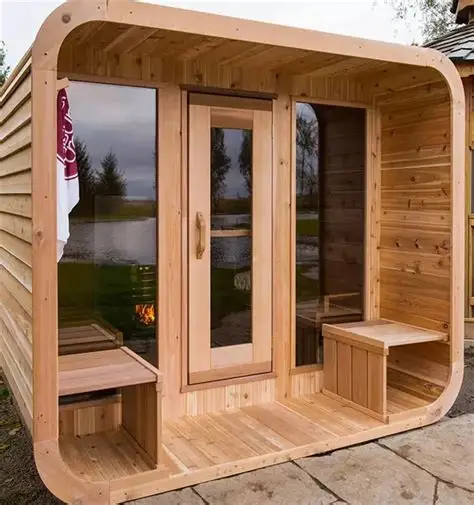
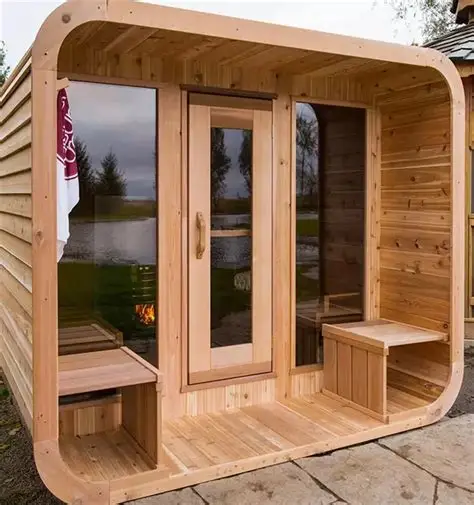
Western Red Cedar remains one of the world’s most popular choices for Sauna Wood.
Advantages include:
- Beautiful reddish appearance
- Pleasant natural aroma
- Excellent moisture resistance
- Low thermal conductivity
- Natural insect resistance
- Outstanding durability
Cedar also produces the classic scent many people associate with traditional saunas.
Although premium-priced, its longevity often makes it an excellent long-term investment.
Aspen
Aspen has become increasingly popular for homeowners seeking a clean, modern sauna interior.
Benefits include:
- Light color
- Virtually odorless
- Resin-free
- Comfortable temperature
- Excellent stability
- Smooth appearance
Its neutral scent makes Aspen ideal for users who prefer a fragrance-free sauna experience.
Basswood
Basswood offers many characteristics similar to Aspen.
Advantages include:
- Soft texture
- Light appearance
- No resin
- Excellent heat resistance
- Comfortable seating surfaces
- Smooth grain
Basswood creates an elegant Scandinavian-style sauna interior.
Hemlock
Hemlock provides excellent value while maintaining impressive performance.
Benefits include:
- Strong durability
- Light uniform color
- Minimal odor
- Good stability
- Low resin content
- Attractive grain
Many residential saunas use Hemlock because of its combination of quality and affordability.
Nordic Spruce
Traditional European saunas frequently use Nordic Spruce.
Advantages include:
- Clean appearance
- Light color
- Mild aroma
- Good heat performance
- Strong stability
- Traditional Scandinavian character
When properly kiln-dried, Spruce performs exceptionally well in sauna environments.
Choosing Sauna Wood for Different Components
Different parts of a sauna place different demands on the wood.
Selecting the right Sauna Wood for each component helps maximize both comfort and longevity.
Walls and Ceiling
Wall and ceiling materials should offer:
- Stability
- Attractive appearance
- Moisture resistance
- Low maintenance
Popular choices include:
- Cedar
- Aspen
- Hemlock
- Spruce
- Basswood
Benches
Benches require the greatest level of comfort because they remain in direct contact with users.
Ideal bench woods include:
- Aspen
- Basswood
- Cedar
These woods remain comfortable even during extended sauna sessions.
Backrests
Backrests should remain cool and comfortable.
Most builders use the same Sauna Wood selected for benches to create a consistent appearance.
Flooring
Wood flooring is less common than tile or concrete.
However, removable wooden duckboards made from Cedar or other moisture-resistant woods provide:
- Comfort
- Drainage
- Easy cleaning
- Improved appearance
Exterior Construction
Outdoor sauna exteriors require weather resistance.
Common exterior woods include:
- Cedar
- Redwood
- Exterior-grade lumber
Exterior wood must withstand:
- Rain
- Snow
- UV exposure
- Seasonal temperature changes
How to Choose the Best Sauna Wood
Selecting the ideal Sauna Wood depends on several important considerations.
Budget
Premium woods like Cedar generally cost more.
More affordable options include:
- Hemlock
- Spruce
- Aspen
Each offers excellent performance at different price points.
Appearance
Choose wood that complements your design preferences.
Popular styles include:
- Rustic cedar
- Scandinavian minimalism
- Contemporary light finishes
- Luxury spa interiors
Aroma
Some woods naturally release pleasant fragrances.
Examples:
- Cedar — rich, aromatic
- Spruce — subtle scent
- Aspen — virtually odorless
- Basswood — neutral
Choose the aroma that best suits your personal preference.
Maintenance
Some Sauna Wood requires slightly more maintenance than others.
Cedar naturally resists decay, while Aspen and Basswood benefit from proper ventilation and routine cleaning.
Availability
Regional availability may influence pricing.
Consult local suppliers to determine which premium sauna woods are most readily available in your area.
Sourcing High-Quality Sauna Wood
Selecting premium Sauna Wood is just as important as choosing the right wood species. Even the finest cedar or aspen can perform poorly if it has not been properly processed or dried. Investing in high-quality materials ensures your sauna remains beautiful, durable, and comfortable for decades.
Choose Kiln-Dried Wood
Always select kiln-dried Sauna Wood whenever possible.
Kiln drying reduces the moisture content of the wood before installation, helping to prevent:
- Warping
- Shrinking
- Cracking
- Twisting
- Excessive movement
Properly kiln-dried wood also minimizes the likelihood of resin seepage in species that naturally contain small amounts of sap.
Select Clear Grades
The quality grade of your Sauna Wood significantly affects both appearance and performance.
Premium grades feature:
- Minimal knots
- Smooth grain
- Uniform color
- Fewer imperfections
- Better structural stability
Clear-grade lumber is especially recommended for benches and backrests where comfort is essential.
Avoid Chemically Treated Wood
Never use pressure-treated or chemically sealed wood inside a sauna.
High temperatures can cause treated wood to release harmful fumes that may affect indoor air quality and pose health risks.
Always choose untreated, natural Sauna Wood specifically intended for sauna construction.
Purchase from Reputable Suppliers
Work with experienced sauna suppliers who specialize in premium sauna materials.
Reputable suppliers often provide:
- Kiln-dried lumber
- Sauna-grade wood
- Matching trim
- Bench materials
- Installation accessories
Purchasing high-quality wood reduces future maintenance while improving the longevity of your sauna.
Sauna Wood Installation Tips
Proper installation is just as important as selecting the right Sauna Wood.
Even premium materials require correct installation techniques to maximize performance.
Allow Wood to Acclimate
Before installation, allow the wood to acclimate to the environment for several days.
This helps reduce movement after installation.
Provide Proper Ventilation
Ventilation plays a critical role in preserving Sauna Wood.
Good airflow helps:
- Remove excess moisture
- Reduce mold growth
- Speed drying after use
- Extend wood lifespan
Proper intake and exhaust vents should always be included in sauna design.
Leave Expansion Gaps
Wood naturally expands and contracts with changing humidity.
Small expansion gaps allow the wood to move naturally without causing:
- Buckling
- Cracking
- Surface distortion
Use Stainless Steel Fasteners
Standard steel fasteners may corrode inside high-humidity sauna environments.
Instead, use:
- Stainless steel screws
- Stainless steel nails
- Corrosion-resistant hardware
This prevents staining and extends the life of your installation.
Sand All Seating Surfaces
Even premium Sauna Wood should be lightly sanded before installation.
Smooth surfaces improve:
- Comfort
- Safety
- Appearance
Rounded edges further enhance user comfort during long sauna sessions.
Sauna Wood Maintenance
Proper maintenance keeps Sauna Wood looking beautiful while maximizing its lifespan.
Wipe Down After Every Session
After each sauna session:
- Wipe benches
- Wipe backrests
- Remove excess moisture
- Allow the sauna to dry
This simple routine prevents dirt buildup and prolongs the life of the wood.
Clean Periodically
Occasionally clean Sauna Wood using:
- Warm water
- Mild soap
- Soft brush or cloth
Avoid harsh chemicals that could damage natural wood fibers.
Light Sanding
Over time, benches may become slightly rough.
Light sanding with fine-grit sandpaper restores:
- Smoothness
- Appearance
- Comfort
Always remove sanding dust afterward.
Promote Airflow
Leave the sauna door slightly open after use.
Proper ventilation allows the wood to dry completely between sessions.
Inspect Regularly
Check your sauna annually for:
- Loose boards
- Surface cracks
- Water stains
- Mold growth
- Fastener corrosion
Prompt repairs help prevent larger problems later.
Sauna Wood Safety Tips
Although Sauna Wood is naturally durable, following proper safety practices improves both longevity and user comfort.
Never Apply Paint or Varnish
Interior sauna wood should remain unfinished.
Paints and varnishes may:
- Release fumes
- Peel under heat
- Trap moisture
- Reduce wood performance
Natural wood performs best.
Avoid Excess Moisture
Do not leave standing water inside the sauna.
Excess moisture may encourage:
- Mold
- Mildew
- Wood discoloration
- Premature deterioration
Use Sauna-Safe Cleaning Products
Only use products specifically recommended for sauna maintenance.
Harsh household cleaners may damage the wood or leave chemical residues.
Keep Temperatures Within Manufacturer Recommendations
Excessively high temperatures can shorten the lifespan of some Sauna Wood species.
Always follow heater manufacturer guidelines.
Replace Damaged Boards
If boards become:
- Cracked
- Splintered
- Warped
- Structurally weakened
Replace them promptly to maintain both appearance and safety.
Cedar vs Aspen vs Basswood vs Hemlock vs Spruce
Choosing the best Sauna Wood often comes down to balancing appearance, comfort, durability, and budget.
Western Red Cedar
Advantages:
- Beautiful natural aroma
- Excellent moisture resistance
- Long lifespan
- Rich appearance
- Outstanding durability
Best for:
- Luxury home saunas
- Outdoor saunas
- Traditional Finnish saunas
Aspen
Advantages:
- Light modern appearance
- Odorless
- Resin-free
- Comfortable seating
- Smooth texture
Best for:
- Contemporary saunas
- Users sensitive to wood aromas
Basswood
Advantages:
- Soft texture
- Uniform color
- Excellent comfort
- Low resin
- Minimal odor
Best for:
- Premium bench construction
- Luxury spa interiors
Hemlock
Advantages:
- Affordable
- Strong
- Stable
- Attractive grain
- Minimal odor
Best for:
- Residential saunas
- Budget-conscious projects
Nordic Spruce
Advantages:
- Traditional Scandinavian appearance
- Light color
- Mild aroma
- Excellent stability
Best for:
- Authentic Finnish-style saunas
- European-inspired designs
Each type of Sauna Wood offers outstanding performance when properly installed and maintained.
Latest Innovations in Sauna Wood (2025–2026)
Modern manufacturing continues improving the quality and sustainability of Sauna Wood.
Recent innovations include:
- Thermo-treated hardwoods
- Engineered sauna lumber
- Sustainable FSC-certified forestry
- Precision kiln drying
- Finger-jointed clear lumber
- Improved moisture stabilization
- Eco-friendly harvesting practices
- Premium Scandinavian finishes
- Enhanced milling technology
- Custom pre-cut sauna kits
These innovations improve consistency while supporting environmentally responsible construction.
Frequently Asked Questions
What is the best wood for a sauna?
Western Red Cedar is widely considered one of the best choices due to its durability, natural aroma, moisture resistance, and excellent thermal performance.
However, Aspen, Basswood, Hemlock, and Nordic Spruce are also outstanding Sauna Wood options depending on your preferences and budget.
Why shouldn’t pressure-treated wood be used?
Pressure-treated wood contains chemicals that may release harmful fumes when exposed to sauna temperatures.
Always choose untreated sauna-grade wood.
Does cedar smell strong?
Western Red Cedar has a pleasant natural aroma that many sauna enthusiasts enjoy.
If you prefer little or no fragrance, Aspen or Basswood may be better choices.
How long does sauna wood last?
With proper care, premium Sauna Wood can last 20 to 40 years or more.
Regular cleaning, proper ventilation, and routine maintenance greatly extend its lifespan.
Does sauna wood require sealing?
No.
Interior sauna wood should remain unfinished to allow it to breathe naturally and perform properly under high temperatures.
Final Thoughts
Selecting the right Sauna Wood is one of the most important decisions you’ll make when designing or building a sauna. The wood you choose influences not only the appearance of your space but also its comfort, durability, safety, maintenance requirements, and overall performance. High-quality sauna wood provides excellent heat resistance, remains comfortable to the touch, withstands years of exposure to heat and humidity, and contributes to the relaxing atmosphere that makes sauna bathing such a rewarding experience.
Whether you prefer the warm aroma and rich tones of Western Red Cedar, the clean and contemporary appearance of Aspen, the smooth texture of Basswood, the affordability of Hemlock, or the traditional Scandinavian character of Nordic Spruce, each option offers unique advantages for different styles of sauna construction. By selecting kiln-dried, untreated lumber, following proper installation techniques, and performing regular maintenance, you can ensure that your Sauna Wood remains beautiful and functional for decades.
As sustainable forestry practices and modern manufacturing continue to improve, today’s Sauna Wood products offer exceptional quality, environmental responsibility, and long-lasting value. Investing in premium materials today means creating a sauna that will provide comfort, wellness, and relaxation for many years to come.
Leave a Reply