
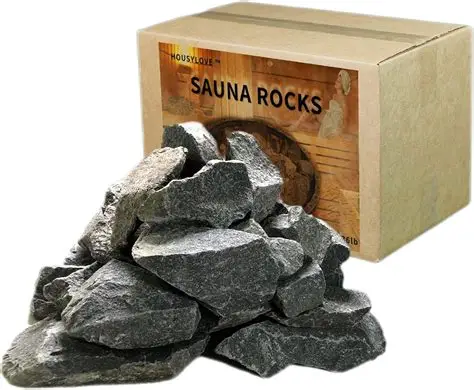
When you step into a sauna, you’re seeking more than just warmth; you’re often looking for a complete sensory experience – the soothing heat, the gentle steam, and the enveloping atmosphere. At the heart of this experience, particularly in traditional Finnish saunas, are the sauna stones. These unassuming rocks are far more than mere decorative elements; they are the workhorses that absorb and radiate heat, and when water is ladled upon them, they produce the cherished löyly, or steam, that defines the sauna ritual.
Understanding the importance of sauna stones, how to select them, and how to care for them is crucial for anyone looking to optimize their sauna’s performance and longevity. From their geological properties to their placement on the heater, every detail contributes to the quality of your sauna session. This comprehensive guide will delve into all aspects of sauna stones, ensuring you make informed choices for an unparalleled sauna experience.
Understanding the Science Behind Sauna Stones
The effectiveness of sauna stones stems from their unique thermal properties. Not all rocks are created equal when it comes to withstanding extreme temperature fluctuations and efficiently transferring heat. The ideal sauna stone possesses several key characteristics:
- High Density: Denser stones can absorb and retain more heat, leading to a more consistent and prolonged heat output.
- Good Thermal Conductivity: This allows the stones to quickly absorb heat from the sauna heater and then efficiently radiate it into the sauna cabin.
- Resistance to Thermal Shock: When water is thrown onto scorching hot stones, they undergo rapid cooling on the surface while remaining hot internally. Stones that are not resistant to thermal shock can crack, crumble, or even explode, posing a safety hazard.
- Non-Porous: Porous stones absorb water, which can lead to cracking and spalling over time. Non-porous stones ensure that water vaporizes on the surface, creating steam rather than being absorbed.
- Chemical Inertness: The stones should not release any harmful fumes or unpleasant odors when heated or when water is applied.
These properties are typically found in igneous rocks, which are formed from the cooling and solidification of molten magma or lava. Their formation process often results in dense, non-porous structures that can withstand the rigors of a sauna environment.
Types of Sauna Stones: Which Material is Best?
The market offers several types of sauna stones, each with its own advantages. Understanding these differences will help you choose the best option for your specific sauna heater and preferences.
Olivine Diabase
Often considered the gold standard for sauna stones, olivine diabase is a dark, dense igneous rock. Its excellent thermal properties make it highly durable and efficient at heat retention. It’s known for its ability to withstand repeated heating and cooling cycles without fracturing, producing smooth, abundant steam. Many premium sauna heaters come standard with olivine diabase stones.
Volcanic Stones (Peridotite, Gabbro)
These are also excellent choices for sauna stones. Peridotite, for example, is a coarse-grained igneous rock, while gabbro is similar to basalt. Both are dense, dark-colored, and have good heat retention capabilities. They are widely used and offer a reliable performance, providing consistent heat and good steam production.
Ceramic Stones
While not natural stones, ceramic sauna stones are engineered to mimic the properties of natural rocks. They are very dense and offer excellent heat retention and conductivity. One of their main advantages is their consistency in size and shape, which can make stacking easier. However, some traditionalists prefer natural stones for their authenticity and unique aesthetic.
Avoid These Types of Stones
It’s equally important to know which types of stones to avoid, as using unsuitable rocks can be dangerous and inefficient:
- River Rocks: While aesthetically pleasing, river rocks are often porous and can contain moisture deep within their structure. When heated rapidly, this trapped moisture can turn to steam and cause the stone to explode, shattering into sharp fragments.
- Decorative Landscaping Rocks: Similar to river rocks, these are not designed for extreme heat and thermal shock. They can be porous, crack, or release harmful substances.
- Lightweight, Porous Stones: Any stone that feels light for its size or appears to have many small holes or cracks should be avoided. These will not retain heat well and are prone to breaking.
- Limestone or Sandstone: These sedimentary rocks are generally too soft and porous for sauna use. They will crumble and degrade quickly under high heat and water exposure.
Always purchase sauna stones from reputable sauna suppliers to ensure they are specifically tested and approved for sauna use.
Selecting the Right Size and Quantity of Sauna Stones
Once you’ve chosen the type of stone, the next consideration is size and quantity. These factors are dictated primarily by your sauna heater model.
Stone Size
Sauna stones typically come in various sizes, often categorized as small, medium, and large. Your heater’s manufacturer will specify the recommended stone size range. It’s crucial to follow these guidelines:
- Too Small: Stones that are too small can fall through the heater’s grates or pack too tightly, restricting airflow. This can lead to the heater overheating and potentially damaging the heating elements.
- Too Large: Stones that are too large may not fit properly into the heater’s stone compartment, leaving gaps that reduce heat retention and steam production. They might also prevent proper contact with the heating elements.
A good mix of sizes, as often provided in a single purchase of sauna stones, allows for optimal packing – larger stones at the bottom and smaller ones on top, creating air channels.
Stone Quantity
The quantity of stones is determined by the specific model and power output of your sauna heater. Every heater has a designed stone capacity. Filling the heater to its recommended capacity is essential for:
- Efficient Heating: An insufficient number of stones means less heat absorption and radiation, leading to a longer heat-up time and a less stable sauna temperature.
- Optimal Steam Production: A full stone compartment ensures there’s enough heated surface area to produce ample steam when water is thrown.
- Protecting Heating Elements: Stones help to shield the heating elements from direct water splashes, prolonging their lifespan.
Always consult your sauna heater’s manual for the exact recommended weight or volume of sauna stones.
Proper Stacking and Placement of Sauna Stones
How you stack your sauna stones is just as important as the type and quantity. Proper stacking ensures efficient heat transfer, optimal airflow, and safety.
Before Stacking
- Wash the Stones: Before their first use, it’s advisable to rinse the sauna stones thoroughly to remove any dust or small debris. This prevents airborne particles from entering your sauna.
- Inspect for Cracks: While rare with reputable stones, quickly inspect for any pre-existing cracks or damage.
The Stacking Process
- Bottom Layer: Start with the largest stones at the bottom, carefully placing them around the heating elements. Avoid packing them too tightly. The goal is to create a stable base that allows air to circulate around the elements.
- Middle Layers: Gradually add medium-sized stones, continuing to build around and over the heating elements. Ensure there are still air gaps between the stones. Do not force stones into place or jam them tightly, as this can damage the elements or restrict airflow.
- Top Layer: Finish with smaller stones on top. These smaller stones will absorb heat quickly and provide an excellent surface for vaporizing water into steam.
Key Stacking Principles
- Allow Airflow: This is paramount. Good airflow prevents the heater from overheating and ensures the heating elements can efficiently transfer heat to the stones. You should be able to see glimmers of the heating elements through the gaps in the stones.
- Support the Elements: The stones should support each other and protect the heating elements, but not be so tightly packed that they prevent expansion or airflow.
- Avoid Covering Thermostat/Overheat Sensor: Ensure that the stones do not block or cover the heater’s thermostat or overheat protection sensor, as this can lead to inaccurate temperature readings or safety shutdowns.
- Create a ‘Well’ for Water: Design the top layer slightly concave or with a central depression. This helps direct water towards the hottest stones and prevents it from splashing directly onto the sauna walls or heating elements.
Maintenance and Care of Sauna Stones
Sauna stones are durable, but they do require periodic maintenance to continue performing optimally and safely.
Regular Inspection
Approximately once a year, or more frequently if your sauna is used heavily, it’s a good practice to completely empty the stone compartment. Inspect each stone for signs of wear and tear:
- Cracks and Fractures: Look for any visible cracks, chips, or signs of fragmentation.
- Disintegration/Dust: If stones are crumbling or producing a lot of dust, they are degrading.
- Discoloration: While some discoloration is normal, extreme changes might indicate an issue.
Replacing Worn Stones
Any stones that show significant signs of cracking, crumbling, or degradation should be replaced. Over time, even the best sauna stones will break down due to repeated thermal shock and stress. Replacing worn stones is crucial because:
- Safety: Cracked stones can shatter unexpectedly, and sharp fragments can be dangerous.
- Efficiency: Degraded stones lose their ability to retain and transfer heat effectively, leading to longer heat-up times and less satisfying steam.
- Heater Longevity: Worn stones can settle and pack too tightly, reducing airflow and potentially causing the heating elements to overheat and fail prematurely.
When replacing, you don’t necessarily need to replace all stones. You can often purchase smaller refill packs to replenish those that have degraded.
Cleaning the Stones (If Necessary)
Generally, sauna stones do not require extensive cleaning. The high heat sterilizes them. However, if you notice any residue from essential oils (if used) or mineral deposits from hard water, you can gently scrub them with a brush and plain water. Avoid using soaps or detergents, as these can leave residues that release unpleasant odors when heated.
Re-Stacking
Whenever you inspect or replace stones, take the opportunity to re-stack them properly. This ensures optimal airflow and heat distribution, rejuvenating your sauna’s performance.
Maximizing Your Sauna Experience with Proper Stone Usage
Beyond selection and maintenance, how you use your sauna stones directly impacts the quality of your sauna session.
Preheating is Key
Allow your sauna heater and stones ample time to reach their optimal temperature. This usually takes 30-60 minutes, depending on the sauna size, heater power, and insulation. When the stones are fully heated, they will efficiently radiate heat and produce robust steam.
Water for Löyly
The act of throwing water onto the hot sauna stones to create steam (löyly) is central to the Finnish sauna tradition. Use a dedicated sauna ladle and bucket. Hard water can leave mineral deposits on stones over time, so if your tap water is very hard, consider using filtered water.
- Amount: Start with a small amount (a ladleful) and observe the steam production. Too much water at once can cool the stones too rapidly, reducing steam production and potentially damaging the elements.
- Frequency: Throw water intermittently, allowing the stones to reheat between splashes. This creates a more consistent and enjoyable steam experience.
- Avoid Essential Oils Directly: While some enjoy adding essential oils for aromatherapy, avoid pouring them directly onto the hot stones. The oils can burn, create unpleasant odors, and leave residue. Instead, dilute a few drops in the water in your sauna bucket or use a separate diffuser.
Safety Precautions
- Never Touch Hot Stones: Sauna stones reach extremely high temperatures and can cause severe burns. Always use a ladle for water.
- Keep Water Away from Elements: While stones offer some protection, try to direct water towards the stones themselves, not directly onto the heating elements.
- Ventilation: Ensure proper ventilation in your sauna to allow fresh air in and excess humidity out.
The humble sauna stone is undeniably a cornerstone of the traditional sauna experience. By understanding their properties, making informed choices during selection, and committing to proper installation and maintenance, you ensure that your sauna heater functions efficiently and safely. This attention to detail not only preserves the integrity of your equipment but also guarantees that each sauna session delivers the authentic, invigorating heat and therapeutic steam that you seek. Embrace the art and science of sauna stones, and elevate your relaxation to new heights.
Leave a Reply