
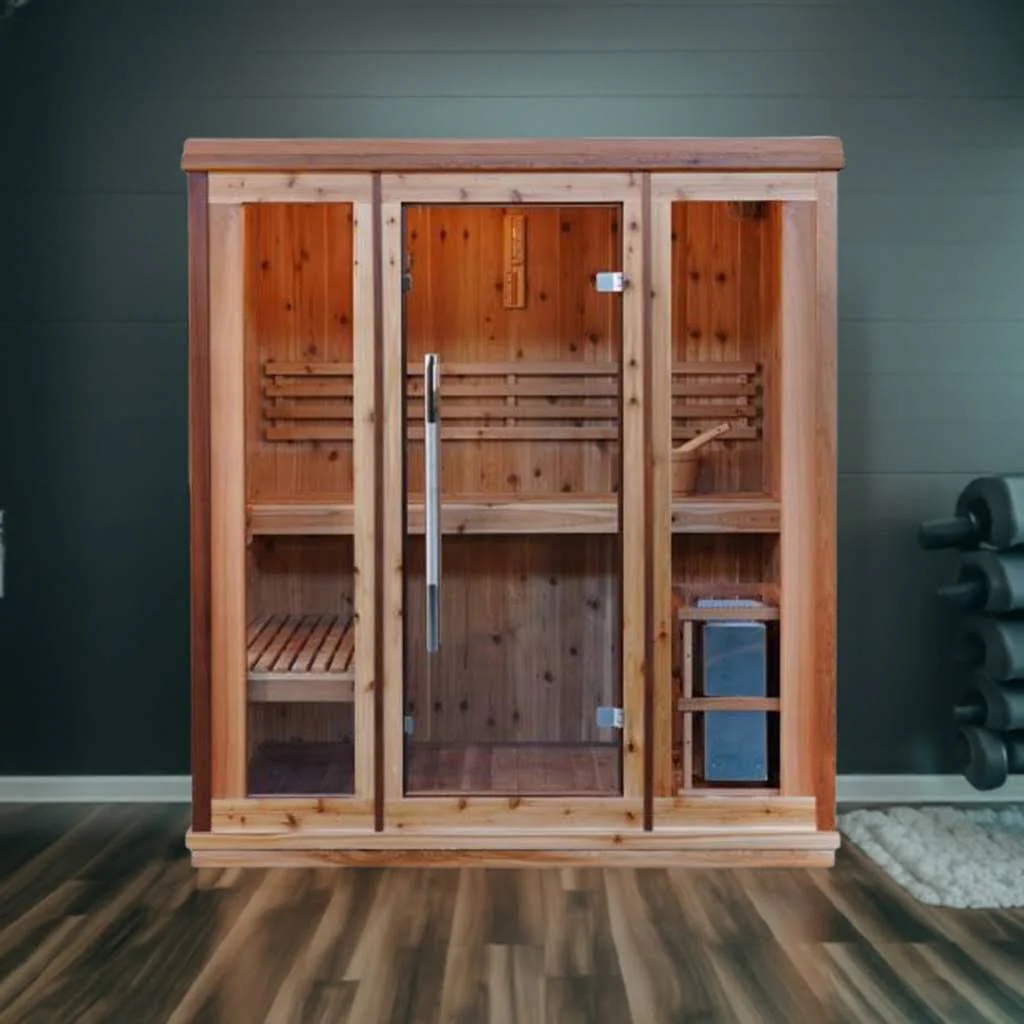
In the pursuit of holistic well-being, saunas have long been revered for their therapeutic benefits, ranging from stress reduction and muscle relaxation to improved circulation and detoxification. While personal saunas offer solitude, and larger commercial units cater to many, the three person sauna strikes a perfect balance, providing an intimate yet shared wellness experience. This guide delves into everything you need to know about integrating a three person sauna into your lifestyle, exploring its advantages, different types, key features, and what to consider for an optimal investment. Three Person Sauna
A three person sauna is more than just a heating cabinet; it’s a dedicated space designed for communal relaxation, offering enough room for a small group to enjoy the benefits together. Whether for a couple and a friend, a small family, or simply for those who appreciate extra space, this configuration provides a comfortable and social approach to sauna bathing.
The Unique Advantages of a Three Person Sauna
Choosing a three person sauna comes with a distinct set of benefits that differentiate it from smaller or larger alternatives. These advantages span social, practical, and wellness dimensions.
Enhanced Social Experience
- Shared Wellness Moments: The primary appeal of a three person sauna is the ability to share the experience. It transforms a solitary ritual into a social activity, perfect for catching up with loved ones, engaging in quiet conversation, or simply enjoying companionable silence. This shared experience can deepen bonds and create lasting memories.
- Ideal for Couples and Small Families: For couples, it offers ample space for comfort without feeling cramped. For small families, it’s a wonderful way to introduce children (at appropriate ages and temperatures) to the benefits of sauna bathing in a controlled, supervised environment.
- Entertainment and Relaxation: Hosting friends becomes more unique when you can offer a shared sauna session. It’s an excellent way to unwind before or after a meal, providing a distinct form of entertainment focused on relaxation and health.
Optimal Space Utilization
- Compact Yet Spacious: While accommodating three individuals, these saunas are typically designed to be space-efficient. They offer a generous interior without demanding an excessive footprint, making them suitable for various home settings, from larger bathrooms to dedicated home gym areas or even outdoor patios.
- Versatility in Placement: Their size often allows for more flexible placement options compared to larger commercial units. They can be integrated into existing structures or placed as standalone units, both indoors and outdoors, depending on the model and construction.
Balanced Investment and Running Costs
- Cost-Effective per User: Compared to single-person saunas, the cost per user decreases significantly, offering a greater return on investment if you frequently share the sauna.
- Efficient Heating: Modern three person saunas are designed for energy efficiency. The heating elements are optimized to warm the enclosed space effectively without excessive energy consumption, making them economical to operate in the long run.
Diverse Health and Wellness Benefits
All saunas offer health benefits, but a three person sauna allows you to share these advantages:
- Stress Reduction: The warm, enveloping environment promotes deep relaxation, helping to alleviate stress and anxiety for all occupants.
- Muscle Relaxation and Recovery: Heat therapy is excellent for soothing sore muscles, improving flexibility, and aiding in post-workout recovery. Sharing this can be a great way for active individuals to wind down together.
- Detoxification: Sweating induced by sauna use helps the body release toxins, contributing to overall well-being.
- Improved Circulation: The heat causes blood vessels to dilate, enhancing blood flow and promoting cardiovascular health.
- Skin Rejuvenation: Increased blood flow to the skin and sweating can cleanse pores, leading to healthier, more radiant skin.
Types of Three Person Saunas: Infrared vs. Traditional
When selecting a three person sauna, one of the most critical decisions involves choosing between infrared and traditional (Finnish) sauna technologies. Each offers a distinct experience and set of benefits.
Infrared Saunas
Infrared saunas use advanced infrared heaters to directly warm your body rather than heating the air around you. This results in a ‘dry heat’ experience at lower ambient temperatures, typically ranging from 120°F to 150°F (49°C to 66°C).
- How They Work: Infrared emitters produce various wavelengths (near, mid, and far infrared) that penetrate the body, causing a deep, therapeutic sweat.
- Key Characteristics:
- Lower Temperatures: More tolerable for individuals sensitive to high heat, making sessions longer and more comfortable.
- Direct Body Heating: The heat penetrates deeper into muscles and tissues, promoting intense detoxification and muscle relaxation.
- Faster Heat-Up Time: Typically reach optimal temperature quicker than traditional saunas.
- Energy Efficiency: Generally consume less electricity as they don’t need to heat the entire air volume to very high temperatures.
- Dry Heat: No steam involved, which can be preferred by some and avoids humidity issues.
- Benefits: Often lauded for their effectiveness in pain relief, muscle recovery, detoxification, and cardiovascular health at lower temperatures.
- Considerations: Some traditional sauna enthusiasts prefer the intense heat and steam of conventional saunas.
Traditional (Finnish) Saunas
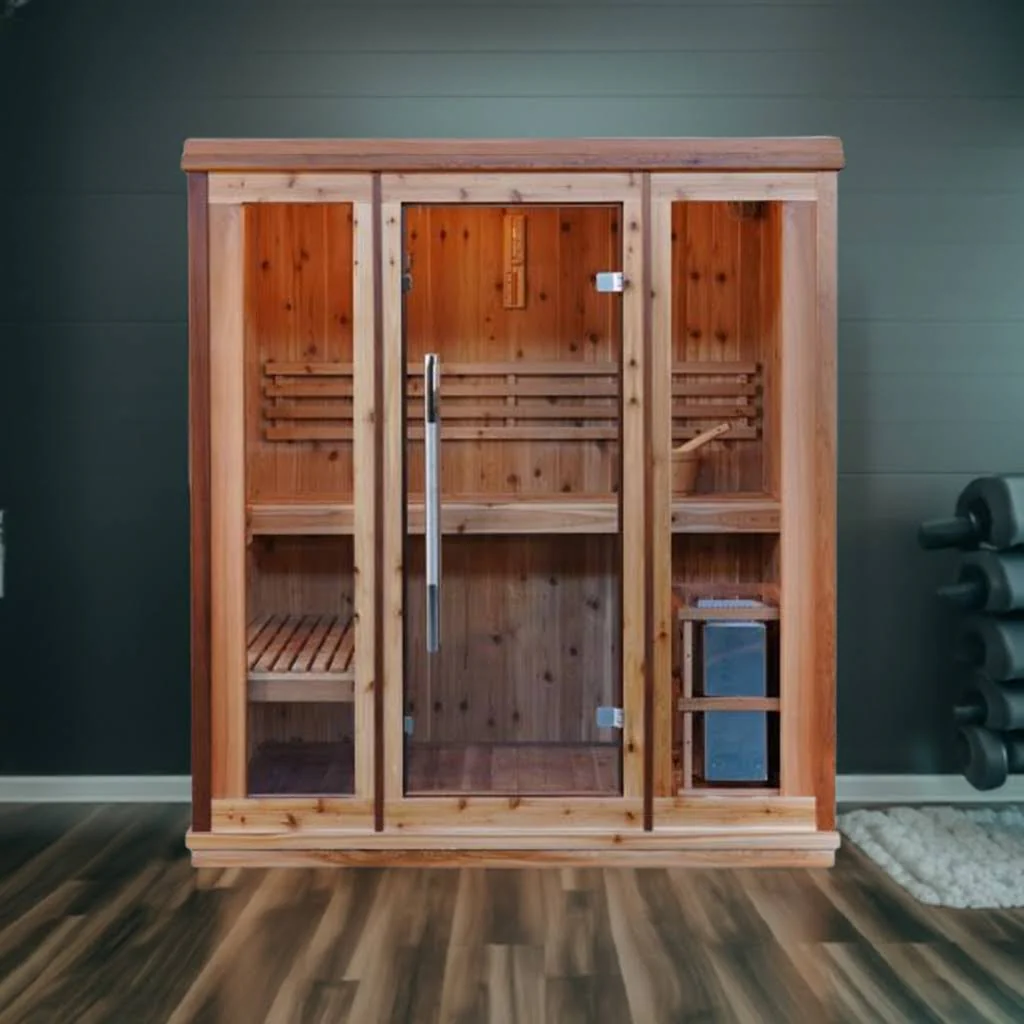
Traditional saunas, often called Finnish saunas, use a stove (electric or wood-burning) to heat rocks, which in turn heat the air inside the sauna to much higher temperatures, typically between 160°F and 200°F (71°C to 93°C). Water can be ladled onto the hot rocks to create steam (löyly), increasing humidity and intensifying the heat sensation.
- How They Work: The heated rocks radiate heat, warming the air. Adding water creates steam, which raises the humidity and provides a more “wet heat” experience.
- Key Characteristics:
- Higher Temperatures: Provides an intense heat experience that many find deeply invigorating and purifying.
- Wet or Dry Heat: Offers the flexibility to enjoy dry heat or create steam for a more humid environment.
- Authentic Experience: Closely mimics the centuries-old sauna traditions.
- Deep Relaxation: The intense heat and steam are highly effective for stress relief and muscle tension.
- Benefits: Excellent for deep cleansing, respiratory benefits (especially with steam), and a profound sense of relaxation and euphoria.
- Considerations: Higher operating temperatures may not be suitable for everyone. Heat-up times can be longer, and they may consume more energy.
Combination Saunas
Some manufacturers offer combination saunas that integrate both infrared emitters and traditional stove heaters. These provide the ultimate flexibility, allowing users to switch between or combine heating methods to customize their experience.
Key Features to Look for in a Three Person Sauna
Once you’ve decided on the heating technology, several other features contribute to the overall quality, comfort, and longevity of your three person sauna.
Material Quality and Construction
- Wood Type: The type of wood used is crucial for insulation, durability, and aesthetics. Popular choices include:
- Cedar: Aromatic, naturally resistant to rot and insects, and low thermal conductivity (stays cool to the touch). Red cedar is a premium option.
- Hemlock: Non-aromatic, stable, and less expensive than cedar. A good choice for those sensitive to strong scents.
- Basswood: Light-colored, non-aromatic, and smooth. Often used in infrared saunas.
- Spruce/Pine: More economical, but generally less durable and can release sap at high temperatures.
- “A-Grade” Lumber: Look for saunas constructed with “A-grade” or clear lumber, meaning fewer knots and imperfections, which translates to better durability and aesthetic appeal.
- Double-Wall Construction: This provides superior insulation, leading to faster heat-up times and better energy efficiency.
- Tongue-and-Groove Paneling: A sign of quality construction, ensuring a tight seal and preventing heat loss.
Heating Elements (for Infrared Saunas)
- Heater Type: Different infrared heaters have varying effectiveness and longevity:
- Ceramic Heaters: Emit intense, focused heat. Can be very effective but may have ‘hot spots.’
- Carbon Heaters: Produce a broader, more even heat distribution. Generally considered more comfortable and durable.
- Carbon-Ceramic Heaters: A hybrid, offering the best of both worlds with broad coverage and good intensity.
- Full Spectrum Heaters: Provide near, mid, and far infrared wavelengths, offering the most comprehensive therapeutic benefits.
- Heater Placement: Ensure heaters are strategically placed to provide uniform heat distribution to all occupants, including calf and foot heaters.
- Low EMF/ELF: For infrared saunas, look for certification that indicates low electromagnetic field (EMF) and extremely low frequency (ELF) emissions, ensuring a safer experience.
Stove and Rocks (for Traditional Saunas)
- Stove Power: Ensure the stove’s wattage is appropriate for the sauna’s volume to achieve desired temperatures efficiently.
- Rock Type: Peridotite or olivine stones are common, as they can withstand high temperatures and hold heat well.
- Controls: Look for reliable and easy-to-use controls, whether internal or external, for temperature and timer settings.
Seating and Ergonomics
- Bench Design: Benches should be sturdy, smooth, and comfortable. “L-shaped” benches are common in three person saunas to maximize seating space.
- Multi-Level Benches: Some traditional saunas offer upper and lower benches, allowing users to choose their preferred heat intensity (heat rises).
- Backrests: Ergonomically designed backrests can significantly enhance comfort during longer sessions.
Controls and Technology
- Digital Control Panel: Modern saunas often feature intuitive digital control panels for temperature, time, lighting, and sometimes even audio.
- Bluetooth Connectivity/Speakers: For an enhanced relaxation experience, consider models with integrated Bluetooth speakers for music or guided meditations.
- Chromotherapy Lighting: LED lighting systems that cycle through different colors are believed to offer therapeutic benefits and enhance the ambiance.
- Ventilation: Proper ventilation is essential for fresh air circulation and to prevent stale air.
Safety Features
- Overheat Protection: Automatic shut-off mechanisms prevent the sauna from overheating.
- Tempered Glass Door: Durable and safe, designed to withstand high temperatures.
- Cool-Touch Exterior: Some infrared saunas feature exteriors that remain cool to the touch, increasing safety, especially for indoor installations.
Installation and Placement Considerations for a Three Person Sauna
Careful planning for installation and placement ensures your three person sauna operates safely and efficiently while seamlessly integrating into your home environment.
Indoor vs. Outdoor Saunas
- Indoor Installation:
- Pros: Protected from weather, easier access, usually requires less insulation (as it’s already indoors).
- Cons: Requires dedicated space, potential for humidity issues (for traditional saunas) if not properly vented, and might require structural modifications.
- Ideal Locations: Large bathrooms, basements, home gyms, or a dedicated wellness room.
- Outdoor Installation:
- Pros: “Detached” experience, often more spacious placement options, no humidity concerns indoors.
- Cons: Requires robust weatherproofing and insulation, may need a concrete slab foundation, and access can be weather-dependent.
- Ideal Locations: Patio, deck, backyard. Ensure it’s on a level, stable surface and protected from extreme elements.
Space Requirements
While a three person sauna offers a compact footprint, it’s crucial to measure your intended space accurately. Remember to account for:
- Dimensions of the Sauna: Length, width, and height.
- Clearance: Allow for adequate clearance around the sauna for ventilation, maintenance, and safe entry/exit. Check manufacturer recommendations, but typically a few inches around the sides and top are needed.
- Door Swing: Ensure there’s enough room for the sauna door to open fully without obstruction.
Electrical Requirements
- Dedicated Circuit: Most three person saunas, especially traditional electric models, require a dedicated 220V or 240V circuit. Infrared saunas may sometimes run on 120V, but it’s crucial to verify the specific requirements of your chosen model.
- Amperage: Confirm the required amperage (e.g., 20A, 30A, 40A) and ensure your home’s electrical panel can support it.
- Professional Installation: It is highly recommended to have a qualified electrician install the wiring to ensure safety and compliance with local codes.
Ventilation
Proper ventilation is vital for both infrared and traditional saunas:
- Traditional Saunas: Require both an intake and exhaust vent to ensure fresh air circulation and prevent the air from becoming too stale or oxygen-depleted.
- Infrared Saunas: While less critical for air exchange due to lower temperatures, a vent is still beneficial for fresh air and to prevent heat buildup in the surrounding room.
Foundation and Flooring
- Level Surface: The sauna must be placed on a completely level and stable surface to ensure structural integrity and proper door alignment.
- Flooring Type: For indoor saunas, consider flooring that can withstand temperature fluctuations and potential moisture (if traditional). Concrete, tile, or vinyl are good options. Avoid carpeting inside the sauna.
- Outdoor Saunas: Often require a concrete slab or reinforced deck to provide a stable, weather-resistant foundation.
Maintenance and Care for Your Three Person Sauna
Regular maintenance ensures the longevity, hygiene, and optimal performance of your three person sauna.
Cleaning and Hygiene
- Wipe Down After Use: After each session, wipe down benches and interior surfaces with a clean cloth to remove sweat and moisture.
- Deep Cleaning: Periodically, use a mild, non-toxic cleaner specifically designed for saunas, or a solution of water and white vinegar, to clean all wood surfaces. Avoid harsh chemical cleaners as they can damage the wood and release fumes when heated.
- Bench Cleaning: For traditional saunas, benches may darken over time due to sweat. Light sanding can restore their appearance.
- Floor Cleaning: Sweep or vacuum the floor regularly. For traditional saunas, the floor might need occasional mopping.
- Ventilation Cleaning: Ensure vents are clear of dust and debris to maintain proper airflow.
Wood Care
- Avoid Varnishes/Sealants Inside: Do not apply varnishes, stains, or sealants to the interior wood of your sauna. The wood needs to breathe, and these coatings can release harmful fumes when heated.
- Exterior Protection: For outdoor saunas, consider applying a UV-protective sealant to the exterior wood to protect against weather damage.
Heater Maintenance
- Infrared Heaters: Generally low maintenance. Periodically check for any visible damage. Ensure they are free from dust buildup.
- Traditional Stove:
- Rock Inspection: Periodically inspect the sauna rocks. Replace any that are cracked, crumbling, or discolored, as these can affect heating efficiency and safety.
- Stove Cleaning: Keep the stove free of dust and debris. Follow manufacturer guidelines for any specific cleaning or maintenance.
General Tips
- Air Out: After each use, leave the sauna door slightly ajar to allow it to air out completely, preventing mold and mildew growth.
- Door Seal: Check the door seal periodically to ensure it’s intact and preventing heat loss. Replace if worn.
- Electrical Check: If comfortable, periodically check visible wiring for any signs of wear or damage. If unsure, consult an electrician.
- Follow Manufacturer’s Manual: Always adhere to the specific cleaning and maintenance instructions provided in your sauna’s owner’s manual.
The Experience of a Three Person Sauna
Owning a three person sauna isn’t just about the physical structure; it’s about the lifestyle and the unique experiences it enables.
Creating a Ritual
A sauna session can become a cherished ritual. Imagine unwinding after a long day with your partner, or starting a weekend morning with a rejuvenating session with a friend. The three person capacity allows for this ritual to be shared, enhancing its meaning and enjoyment.
Health and Wellness Hub
Your three person sauna can become the cornerstone of your home wellness strategy. Combine it with other healthy habits:
- Pre-Sauna: Hydrate well, take a quick shower, and set your intention for relaxation.
- During Sauna: Practice mindfulness, listen to calming music (if your sauna has audio), engage in light conversation, or simply enjoy the quiet.
- Post-Sauna: Cool down gradually with a cold shower or air bath, rehydrate, and allow your body to continue its relaxation process.
Social Connection and Intimacy
In a world where digital connections often overshadow genuine human interaction, a three person sauna offers a unique space for intimate, face-to-face connection. It encourages unplugging from devices and truly being present with others, fostering deeper conversations and shared moments of tranquility.
Customization and Personalization
Many three person saunas offer options for customization. You can enhance the experience with:
- Aromatherapy: Add a few drops of essential oils (e.g., eucalyptus, lavender) to water (for traditional saunas) or a diffuser (for infrared saunas) for an enhanced sensory experience.
- Lighting: Utilize chromotherapy or soft, ambient lighting to set the mood.
- Accessories: Sauna buckets, ladles, thermometers, hygrometers, and comfortable headrests can all contribute to a more complete and enjoyable experience.
Making the Right Choice
Investing in a three person sauna is a significant decision that promises profound returns in health, relaxation, and social well-being. By carefully considering the type of sauna (infrared vs. traditional), material quality, heating elements, ergonomic design, and safety features, you can select a model that perfectly aligns with your needs and preferences. Remember to also plan for proper installation and commit to regular maintenance to ensure your sauna remains a pristine sanctuary for years to come.
A three person sauna offers an unparalleled opportunity to create a dedicated space for shared wellness and intimate connection within your home. It’s an investment not just in a product, but in a lifestyle that prioritizes health, relaxation, and the joy of shared experiences.
Leave a Reply