
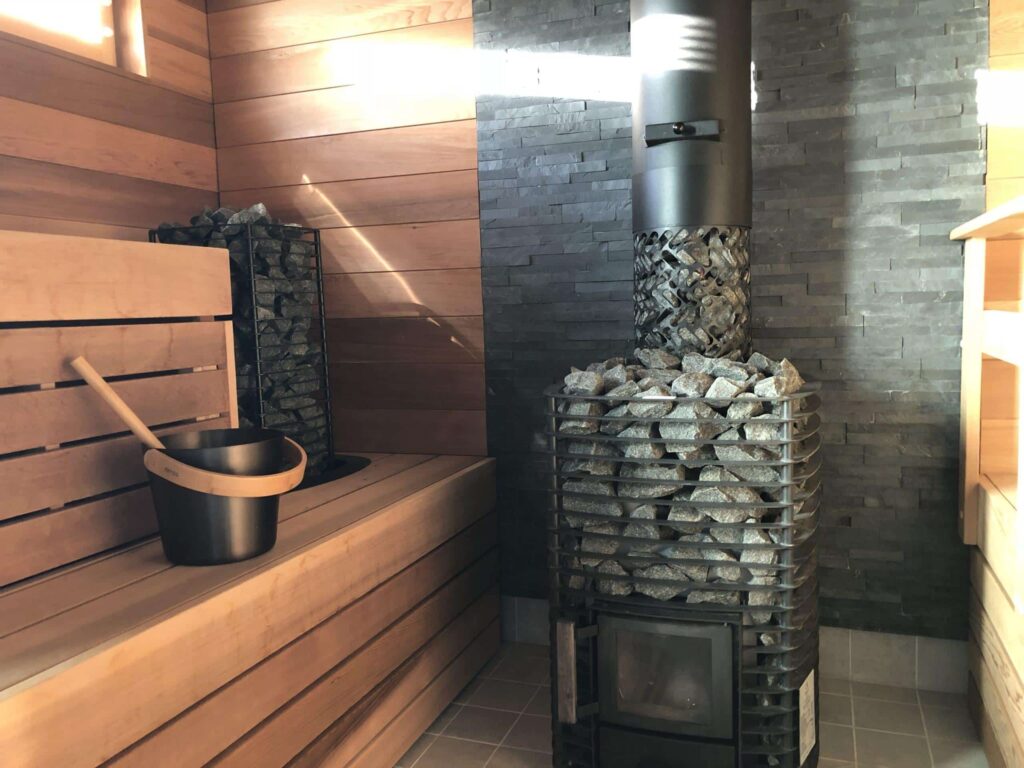
The heart of any sauna experience lies within its heating element: the sauna stove. More than just a simple heater, a well-chosen sauna stove dictates the quality of the heat, the steam (löyly), and ultimately, your overall enjoyment and relaxation. With a myriad of options available, from traditional wood-burning units to modern electric heaters, selecting the right sauna stove can seem daunting. This comprehensive guide will walk you through the essential considerations, helping you understand the nuances of each type and ensuring you make an informed decision for your personal oasis of warmth and wellness.
Whether you’re building a new sauna from scratch or upgrading an existing one, the sauna stove is a pivotal investment. Its performance directly impacts energy consumption, maintenance, and the very atmosphere of your sauna. By delving into the various heating methods, power specifications, safety protocols, and installation requirements, you’ll be equipped to choose a sauna stove that not only meets your needs but also enhances your sauna rituals for years to come.
Understanding Different Types of Sauna Stoves
The first and most fundamental decision you’ll face is choosing the type of sauna stove. Each type offers a distinct heating experience and comes with its own set of advantages and considerations.
Electric Sauna Stoves
Electric sauna stoves are by far the most popular choice for modern indoor saunas, primarily due to their convenience and ease of use. They operate by heating resistance coils, which in turn heat a chamber filled with sauna stones. When water is ladled onto these hot stones, it produces steam (löyly), a hallmark of the traditional sauna experience.
- Convenience: Electric stoves are incredibly easy to operate, typically featuring a simple control panel for temperature and timer settings. Many models offer remote control options or smart home integration.
- Installation: Installation is generally straightforward for a qualified electrician, requiring a dedicated circuit.
- Maintenance: They require minimal maintenance, mainly just ensuring the stones are properly placed and occasionally cleaned or replaced.
- Consistency: Electric heaters provide consistent heat and allow for precise temperature control.
- Safety: Modern electric stoves come with numerous safety features, including overheat protection and automatic shut-off timers.
- Power Requirements: They typically require 240V power and specific amperage, which needs to be considered based on your home’s electrical capacity.
- Cost: Initial cost can vary widely, but they are generally more affordable than wood-burning stoves for indoor applications.
When selecting an electric sauna stove, pay close attention to its power output (kW), which needs to be matched to the volume of your sauna room. Undersizing can lead to slow heating and inefficiency, while oversizing can consume unnecessary power.
Wood-Burning Sauna Stoves
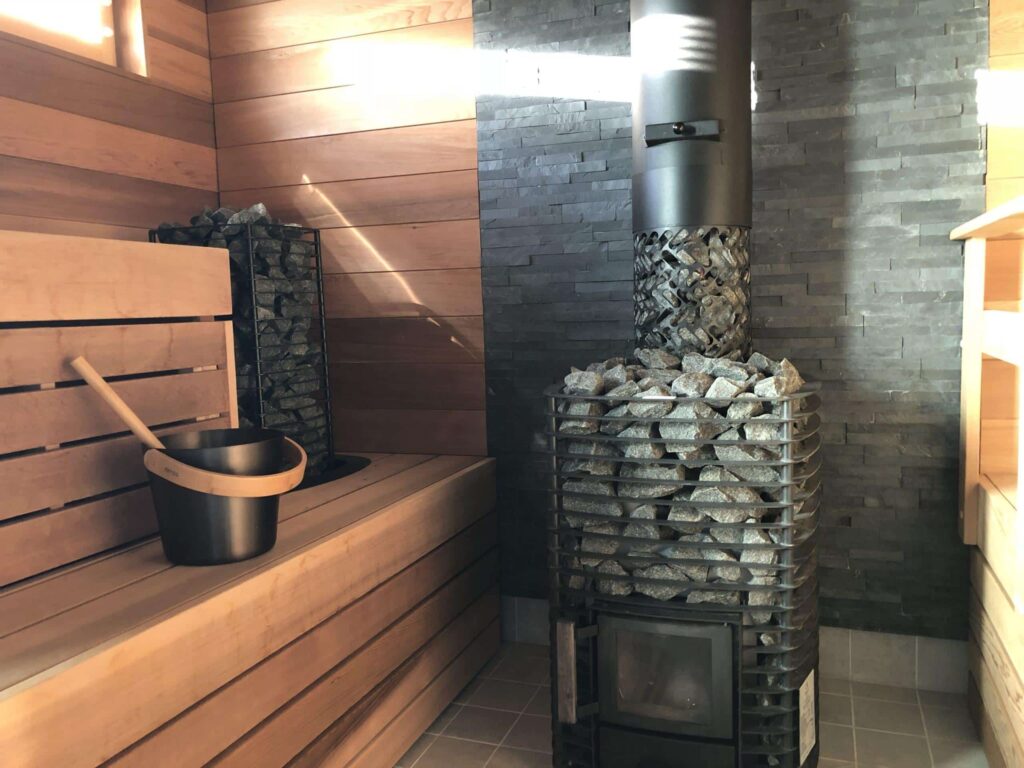
For purists and those seeking an authentic, traditional sauna experience, a wood-burning sauna stove is often the preferred choice. These stoves provide a soft, radiant heat and the captivating aroma of burning wood, creating a unique ambiance that many find deeply relaxing.
- Authenticity: Offers the most traditional sauna experience with natural heat and the crackle of a fire.
- Heat Quality: Many enthusiasts believe wood-burning stoves provide a softer, more enveloping heat compared to electric models.
- Independence: Does not require electricity, making it ideal for remote cabins, off-grid saunas, or outdoor installations.
- Aesthetics: The visual appeal of a flickering fire adds to the sauna’s atmosphere.
- Installation: More complex than electric stoves, requiring a proper chimney system, fireproof clearances, and adherence to local building codes.
- Maintenance: Requires regular cleaning of ash and chimney sweeping.
- Fuel Source: Needs a consistent supply of dry, seasoned firewood.
- Safety: Requires careful operation and maintenance to prevent fire hazards and carbon monoxide buildup. Adequate ventilation is crucial.
Wood-burning stoves are excellent for outdoor saunas or those in locations where electricity is scarce or expensive. They do, however, demand more attention during use and involve more complex installation and ongoing maintenance.
Gas Sauna Stoves
Gas sauna stoves, while less common than electric or wood-burning, offer a middle ground in terms of convenience and heat quality. They can run on natural gas or propane, providing consistent heat without the need for wood or high electrical draw.
- Convenience: Offers consistent heat and easy operation similar to electric, often with thermostat controls.
- Efficiency: Can be very efficient, especially for larger commercial saunas or those with high usage.
- Fuel Source: Requires a connection to a natural gas line or a propane tank.
- Installation: Requires professional installation by a certified gas technician, including proper ventilation and flue systems.
- Heat Quality: Provides a dry heat, which can be adjusted to create steam by adding water to stones.
- Safety: Must adhere to strict gas safety regulations, including carbon monoxide detectors and proper venting.
Gas stoves are often found in commercial settings or larger residential saunas where the cost of electricity is a concern or where the convenience of gas is preferred over wood.
Sizing Your Sauna Stove: Kilowatts and Cubic Feet
One of the most critical aspects of choosing a sauna stove is ensuring it’s appropriately sized for your sauna room. The stove’s power output, measured in kilowatts (kW) for electric models, must match the volume of your sauna. An undersized heater will struggle to reach desired temperatures, leading to longer heating times and higher energy consumption. An oversized heater will cycle on and off too frequently, potentially shortening its lifespan and consuming unnecessary power.
Calculating Sauna Volume
First, calculate the cubic footage of your sauna room: Length (feet) x Width (feet) x Height (feet) = Cubic Feet (CF).
For example, a sauna that is 6 feet long, 5 feet wide, and 7 feet high has a volume of 6 x 5 x 7 = 210 cubic feet.
General Sizing Guidelines (Electric Stoves)
As a general rule of thumb for well-insulated saunas, you need approximately 1 kW of power for every 45-50 cubic feet of sauna volume. So, for our 210 CF example:
- 210 CF / 45 CF/kW = 4.67 kW
- 210 CF / 50 CF/kW = 4.2 kW
In this case, a 4.5 kW or 5 kW sauna stove would be appropriate. Always round up to the nearest available stove size if you are between two common sizes.
Factors Affecting Sizing
Several factors can influence the required kW, necessitating an adjustment to the general guideline:
- Insulation: Poorly insulated saunas (e.g., older saunas, saunas with thin walls, or those with uninsulated concrete/glass) will require a more powerful heater.
- Glass: Each square foot of uninsulated glass or tile in your sauna can be equivalent to adding 1.5 – 2 cubic feet to your sauna’s volume for heating purposes. Large glass doors or windows significantly increase the heat load.
- Exterior Walls: If one or more sauna walls are exterior walls exposed to cold temperatures, you might need to increase the heater size slightly.
- Ceiling Height: While factored into cubic feet, higher ceilings (above 7 feet) can sometimes benefit from a slightly more powerful heater to ensure even heat distribution.
- Desired Temperature: If you consistently prefer very high temperatures (e.g., 190-200°F or 88-93°C), opting for a slightly larger stove might be beneficial.
For wood-burning stoves, sizing is often based on the stove’s heat output capacity and the manufacturer’s recommendations for specific sauna volumes. These often specify a range of cubic feet the stove can effectively heat.
Key Features and Considerations for Sauna Stoves
Beyond the basic type and size, several features and considerations can significantly impact your sauna experience and the longevity of your sauna stove.
Sauna Stones
The quality and quantity of sauna stones are crucial. Good sauna stones are dense, capable of withstanding extreme temperature changes without cracking, and are free of harmful minerals. Olivine and peridotite are common choices. Ensure your stove can hold an adequate amount of stones to produce sufficient steam (löyly) and provide consistent heat.
Controls and Timers
For electric stoves, controls vary from simple mechanical dials to advanced digital panels. Look for:
- Temperature Control: Precise temperature settings are essential.
- Timer Functionality: Pre-set timers allow you to program the stove to turn on at a specific time, so your sauna is ready when you are. Many also have an operating time limit (e.g., 60 minutes) for safety.
- Remote Control/Smart Features: Some high-end models offer remote operation via a mobile app, allowing you to control your sauna from anywhere.
- External Controls: For commercial saunas or those where children might be present, external controls mounted outside the sauna room can be a beneficial safety feature.
Materials and Durability
Sauna stoves operate in harsh conditions of high heat and humidity. Look for stoves constructed from durable, corrosion-resistant materials like stainless steel. The heating elements themselves should be robust and designed for longevity.
Safety Features
Safety should always be a top priority. Essential safety features include:
- Overheat Protection: Automatically shuts off the heater if it reaches an unsafe temperature.
- Automatic Shut-off Timer: Prevents the heater from running indefinitely, typically set to 60 minutes, though some commercial models allow longer.
- Protective Guard Rail: Often an optional accessory, a wooden guard rail around the stove prevents accidental contact with the hot surface.
- Proper Clearances: Always adhere to the manufacturer’s specified safety clearances from walls, benches, and other combustible materials.
Ventilation
Proper ventilation is critical for any sauna, regardless of the stove type. It ensures a fresh air supply, removes stale air, and helps maintain a comfortable oxygen level. For wood-burning stoves, adequate ventilation is absolutely essential to prevent carbon monoxide buildup.
Installation and Wiring (Electric Stoves)
Electric sauna stoves typically require dedicated 240V wiring and a circuit breaker sized for the stove’s wattage. It is highly recommended to have a licensed electrician handle the installation to ensure compliance with local electrical codes and safety standards. Improper wiring can be a significant fire hazard.
Chimney and Flue System (Wood-Burning Stoves)
Wood-burning sauna stoves demand a robust and properly installed chimney and flue system. This includes a double-wall insulated chimney for safety and efficiency, proper flashing where it passes through the roof, and adherence to all fire safety codes. Professional installation by a certified chimney expert is non-negotiable.
Maintenance and Longevity
Regular maintenance will extend the life of your sauna stove and ensure safe operation.
- Sauna Stones: Rearrange the stones periodically (every 6-12 months) to prevent them from settling and compacting, which can impede airflow and reduce heating efficiency. Replace any cracked or crumbling stones.
- Cleaning: For electric stoves, occasionally wipe down the exterior. For wood-burning stoves, regular ash removal is necessary, and the chimney should be inspected and cleaned annually by a professional.
- Heating Elements (Electric): While designed to last, heating elements can eventually burn out. They are typically replaceable parts.
- Inspections: Periodically inspect wiring, connections, and safety features.
Budgeting for Your Sauna Stove
The cost of a sauna stove can vary significantly based on its type, brand, power, and features. Here’s a general breakdown:
- Electric Sauna Stoves: Entry-level models for small saunas might start around $300-$500. Mid-range options with digital controls and more power can be $700-$1,500. High-end or commercial units with smart features can exceed $2,000.
- Wood-Burning Sauna Stoves: Basic wood stoves can range from $500-$1,000. More robust, efficient, or aesthetically pleasing models can go up to $1,500-$3,000 or more. Remember to factor in the cost of the chimney system, which can easily add another $500-$2,000+ depending on complexity.
- Gas Sauna Stoves: These are generally at the higher end, often starting from $1,500 and going up to $4,000+ for larger units, plus the cost of gas line installation and venting.
Beyond the stove itself, remember to budget for installation costs (especially for electric wiring, gas lines, or chimney systems), sauna stones, and any optional accessories like guard rails or remote controls.
Environmental and Energy Considerations
The environmental impact and energy consumption of your sauna stove are increasingly important factors.
- Electric Stoves: Their environmental footprint depends on your electricity source. If your grid is powered by renewable energy, an electric sauna can be very green. Energy efficiency ratings can help you choose a model that heats quickly and retains heat well.
- Wood-Burning Stoves: If using sustainably sourced, seasoned wood, wood-burning can be considered carbon-neutral as the carbon released during burning is reabsorbed by new tree growth. However, incomplete combustion can release pollutants. Modern wood stoves are designed for higher efficiency and lower emissions.
- Gas Stoves: Natural gas is a fossil fuel, contributing to greenhouse gas emissions. Propane, while cleaner burning than some other fossil fuels, still has an environmental impact.
Consider the energy source available to you and your personal environmental priorities when making your selection.
Making Your Final Decision
Choosing the right sauna stove involves balancing your budget, desired experience, practical constraints, and safety considerations. Here’s a quick checklist to help solidify your decision:
- Sauna Type: Is it an indoor or outdoor sauna? New build or renovation?
- Heating Method: Electric for convenience, wood for tradition, or gas for a balance?
- Sauna Volume: Accurately measure your sauna’s cubic feet and adjust for glass/uninsulated surfaces.
- Power/Size: Select a stove with appropriate kW for electric, or cubic foot rating for wood/gas.
- Electrical/Fuel Availability: Do you have the necessary electrical capacity, gas line, or wood supply?
- Installation Requirements: Are you prepared for professional electrical, gas, or chimney installation?
- Controls: Do you prefer simple mechanical, advanced digital, or remote controls?
- Safety Features: Does the stove meet all necessary safety standards and offer overheat protection?
- Budget: Account for the stove, installation, stones, and accessories.
- Maintenance: Are you comfortable with the ongoing maintenance requirements of your chosen stove type?
By carefully evaluating these points, you will be well-equipped to select a sauna stove that perfectly suits your needs and delivers countless hours of therapeutic relaxation and enjoyment.
Enhancing Your Sauna Experience with the Right Stove
The sauna stove is more than just a heating appliance; it’s the heart of your personal wellness retreat. A thoughtfully chosen stove not only provides efficient heat but also contributes significantly to the overall ambiance, steam quality, and safety of your sauna. By considering the various types, properly sizing the unit, and understanding the critical features and installation requirements, you can ensure your investment yields maximum comfort and enjoyment. Embrace the warmth, the löyly, and the tranquility that a perfectly matched sauna stove brings to your home.
Leave a Reply