
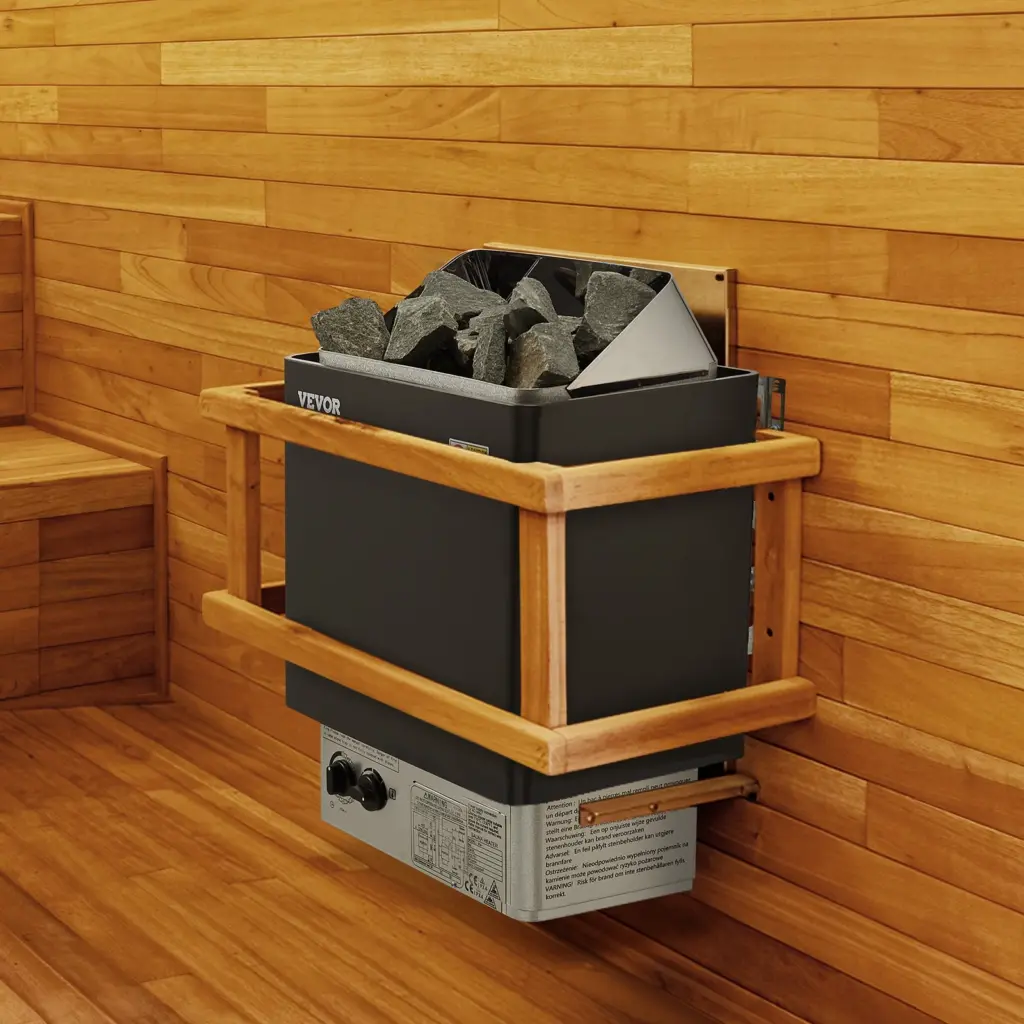
The heart of any sauna experience lies within its heater. It’s the engine that transforms a simple room into a sanctuary of warmth, relaxation, and wellness. Whether you’re building a new sauna from scratch or looking to upgrade an existing one, understanding the different types of sauna heaters available and their unique characteristics is paramount. The right sauna heater not only dictates the quality of the heat and steam but also impacts energy efficiency, safety, and overall user satisfaction.
From traditional electric models to wood-burning stoves and innovative infrared panels, the choices can seem overwhelming. This comprehensive guide aims to demystify the selection process, providing you with the knowledge needed to choose a sauna heater that perfectly aligns with your preferences, space, and budget. We’ll explore the pros and cons of each major type, discuss important factors like power requirements and control systems, and offer insights into maintenance to ensure your sauna remains a source of rejuvenation for years to come.
Understanding Different Types of Sauna Heaters
The market offers a diverse range of sauna heaters, each providing a distinct heating experience. The primary types include electric, wood-burning, and infrared heaters.
Electric Sauna Heaters
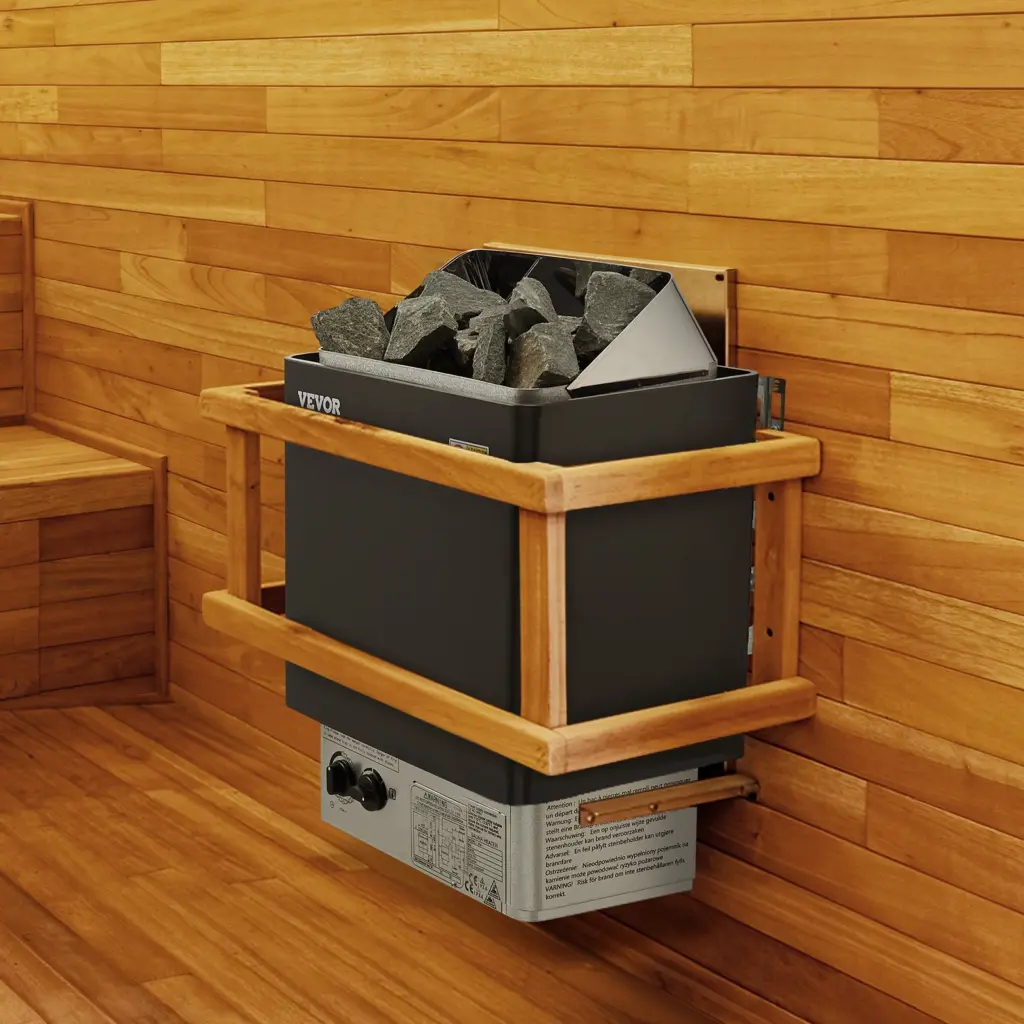
Electric sauna heaters are by far the most popular choice for modern home saunas due to their convenience and ease of use. They operate by heating specialized rocks placed in a compartment above electric heating elements. When water is ladled onto these hot rocks, it creates steam, known as ‘löyly,’ which increases humidity and intensifies the sensation of heat.
- Pros:
- Convenience: Easy to operate with simple controls, often featuring timers and thermostats.
- Cleanliness: No ash, smoke, or fuel storage required.
- Safety: Equipped with safety features like automatic shut-off.
- Versatility: Available in various sizes and power outputs to suit different sauna dimensions.
- Installation: Generally simpler to install than wood-burning heaters, requiring an electrical connection.
- Cons:
- Energy Consumption: Can be more expensive to operate than wood-burning heaters, depending on electricity rates.
- Installation Costs: May require dedicated electrical wiring, especially for higher wattage units.
- Heat Type: Some users find the heat less ‘soft’ or ‘authentic’ compared to wood-burning saunas.
Wood-Burning Sauna Heaters
For those seeking a traditional, authentic sauna experience, a wood-burning sauna heater is often the preferred choice. These heaters burn wood to generate heat, creating a rustic ambiance with the crackling sound and natural aroma of burning timber.
- Pros:
- Authenticity: Provides a traditional, ‘soft’ heat that many sauna enthusiasts prefer.
- Independence: Does not require electricity, making them ideal for remote cabins or off-grid installations.
- Atmosphere: The sight and sound of a wood fire enhance the overall sauna experience.
- Cost-Effective Fuel: If wood is readily available, fuel costs can be low or even free.
- Cons:
- Maintenance: Requires regular cleaning of ash and chimney.
- Fuel Storage: Needs a dedicated space for storing firewood.
- Installation Complexity: Requires a chimney and proper ventilation, increasing installation costs and complexity.
- Heating Time: Can take longer to heat up the sauna compared to electric heaters.
- Environmental Impact: Produces smoke and particulate matter, though modern designs aim to reduce emissions.
Infrared Sauna Heaters
Infrared saunas operate on a fundamentally different principle. Instead of heating the air around you, infrared heaters emit electromagnetic radiation that directly heats your body. This allows for lower ambient air temperatures while still achieving a deep sweat.
- Pros:
- Lower Temperatures: Operates at lower air temperatures (typically 120-150°F or 49-66°C), which can be more comfortable for some.
- Faster Heat-Up: Heats up quickly, often within 15-20 minutes.
- Energy Efficiency: Generally consumes less electricity than traditional electric saunas due to lower operating temperatures.
- Health Benefits: Often touted for specific health benefits due to deeper tissue penetration, though scientific evidence varies.
- Compact: Many infrared saunas are smaller and easier to fit into various spaces.
- Cons:
- No Steam (Löyly): Does not allow for the creation of steam, which is a core component of traditional sauna bathing.
- Different Experience: The heat sensation is distinct from traditional saunas; some prefer one over the other.
- Cost: Initial purchase cost can sometimes be higher than comparable traditional saunas.
- Authenticity: Not considered a ‘traditional’ sauna experience by purists.
Key Considerations When Choosing Your Sauna Heater
Beyond the type of heater, several practical factors will influence your final decision. Taking these into account will ensure your chosen heater is perfectly suited to your sauna and lifestyle.
Sauna Room Size and Heater Power (kW)
This is arguably the most critical factor. Sauna heaters are rated in kilowatts (kW), and the required power output depends directly on the volume of your sauna room. A general rule of thumb is 1 kW for every 45-50 cubic feet (1.27-1.42 cubic meters) of sauna volume. However, this can vary based on insulation, window presence, and the material of the sauna walls.
- Calculating Volume: Multiply length x width x height of your sauna room.
- Insulation: Well-insulated saunas require less power.
- Windows/Glass Doors: Each square foot of glass can equate to adding 10-15 cubic feet to the effective volume for heating calculations, requiring a slightly more powerful heater.
- Material: Solid log saunas may require more power than saunas with insulated frame walls.
Always consult the manufacturer’s recommendations for your specific heater model and sauna size. An underpowered heater will struggle to reach desired temperatures, while an overpowered one can be inefficient and potentially uncomfortable.
Electrical Requirements
For electric sauna heaters, understanding the electrical needs is crucial. Most residential electric heaters will require a 240V dedicated circuit. The amperage will vary with the wattage of the heater (e.g., a 6kW heater might require a 30-amp circuit, while a 9kW heater could need a 40-amp circuit). It is essential to consult with a qualified electrician to ensure your home’s electrical panel can support the new load and to perform a safe and compliant installation. Improper wiring can be a significant fire hazard.
Control Systems
Modern electric sauna heaters come with various control options:
- Built-in Controls: Often located on the front of the heater, these are simple and straightforward but require you to be in the sauna to adjust settings.
- External Controls: Mounted outside the sauna, these offer convenience, allowing you to set temperature, time, and pre-set start times before entering. They often include digital displays and more advanced features.
- Smart Controls/Wi-Fi: Some high-end heaters can be controlled via smartphone apps, allowing you to turn on your sauna remotely, adjust settings, and monitor its status.
Wood-burning heaters typically have manual controls for airflow to regulate the burn rate and heat output.
Sauna Rocks
The type and quality of sauna rocks are surprisingly important for electric and wood-burning heaters. Good quality sauna rocks are dense, non-porous, and able to withstand repeated heating and cooling without cracking or crumbling. Volcanic rocks like olivine or peridotite are commonly used. Avoid using river rocks or other unknown stones, as they can explode when heated due to trapped moisture.
Ventilation
Proper ventilation is vital for any sauna, regardless of the heater type. It ensures fresh air circulation, helps regulate humidity, and prevents the air from becoming stale. For wood-burning saunas, ventilation is also critical for safely exhausting combustion gases.
Safety Features
All sauna heaters should come with essential safety features. Electric heaters typically include:
- Overheat Protection: Automatically shuts off the heater if it reaches an unsafe temperature.
- Automatic Shut-off Timer: Prevents the heater from running indefinitely.
- Heat Shields/Guards: Protect users from direct contact with hot elements or rocks.
For wood-burning heaters, a properly installed chimney, firebox, and clearance distances from combustible materials are paramount.
Installation and Maintenance of Your Sauna Heater
Proper installation and regular maintenance are crucial for the longevity, efficiency, and safety of your sauna heater.
Professional Installation
While some DIY enthusiasts might be tempted, installing a sauna heater, especially an electric or wood-burning one, is best left to professionals. An electrician should handle all electrical connections for electric heaters, ensuring compliance with local codes. For wood-burning heaters, a certified chimney technician should oversee the installation of the flue system to prevent fire hazards and ensure proper drafting.
Regular Cleaning and Inspection
For Electric Heaters:
- Rock Inspection: Periodically inspect sauna rocks (every 6-12 months) for signs of crumbling or cracking. Replace any deteriorated rocks. Rearrange rocks to ensure good airflow.
- Element Check: Ensure heating elements are clean and free of debris.
- Wipe Down: Keep the exterior of the heater clean.
For Wood-Burning Heaters:
- Ash Removal: Regularly remove ash from the firebox to maintain efficient burning.
- Chimney Cleaning: Have the chimney professionally inspected and cleaned at least once a year to prevent creosote buildup, which can lead to chimney fires.
- Smoke Pipe Inspection: Check the smoke pipe for any signs of corrosion or leaks.
For Infrared Heaters:
- Wipe Down: Keep the panels clean and free of dust.
- Connection Check: Periodically check electrical connections for tightness.
Water Quality (for Traditional Saunas)
If you use hard water to create steam, mineral deposits can build up on the sauna rocks and even the heating elements over time. Using filtered water can help prolong the life of your rocks and heater.
Enhancing Your Sauna Experience
Once you’ve selected and installed your ideal sauna heater, there are several ways to further enhance your sauna experience.
Aromatherapy with Essential Oils
Many traditional sauna users enjoy adding a few drops of sauna-safe essential oils (like eucalyptus, pine, or peppermint) to the water they ladle over the hot rocks. This creates a fragrant steam that can further promote relaxation and respiratory benefits. Ensure the oils are specifically designed for sauna use and used sparingly.
Sauna Accessories
Consider investing in quality sauna accessories:
- Sauna Bucket and Ladle: Essential for adding water to the rocks to create steam.
- Thermometer/Hygrometer: Helps monitor temperature and humidity levels for optimal comfort.
- Wooden Headrest/Backrest: Enhances comfort during longer sauna sessions.
- Sauna Brushes: Used for skin exfoliation.
- Sauna Textiles: Linens, towels, and robes made from natural fibers.
Sauna Etiquette and Best Practices
- Hydration: Drink plenty of water before and after your sauna session.
- Listen to Your Body: Start with shorter sessions and gradually increase duration as you become accustomed to the heat.
- Cool Down: Follow your sauna session with a cool shower or dip to close pores and invigorate the body.
- Avoid Alcohol: Refrain from consuming alcohol before or during a sauna.
The Future of Sauna Heaters
Innovation continues in the sauna industry, with manufacturers focusing on energy efficiency, smart technology, and new materials. Expect to see more advanced control systems, hybrid heater options (combining electric and infrared elements), and heaters designed for even faster heat-up times and lower energy consumption. Sustainability is also a growing focus, with efforts to improve the efficiency of wood-burning stoves and the recyclability of electric components.
Making Your Final Decision
Choosing the right sauna heater is a significant decision that will impact your sauna experience for years to come. By carefully considering your preferences for heat type, the size of your sauna, electrical capabilities, and desired control features, you can confidently select a heater that transforms your sauna into a perfect haven of warmth and well-being. Whether you lean towards the classic charm of a wood-burning stove, the modern convenience of an electric unit, or the unique benefits of an infrared system, an informed choice ensures maximum enjoyment and longevity from your investment.
Leave a Reply