
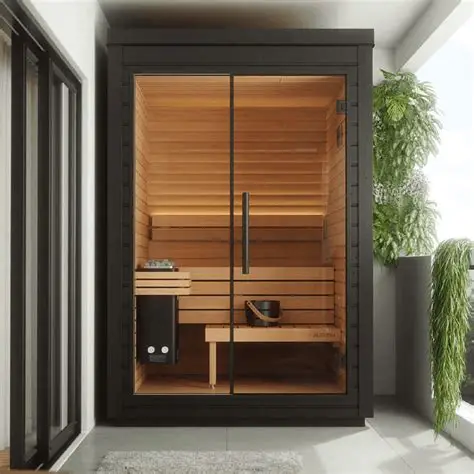
Imagine stepping into a haven of warmth and tranquility, leaving the day’s stresses behind. This isn’t a dream; it’s the reality of owning a residential sauna. For centuries, saunas have been cherished for their profound health benefits, from muscle relaxation and improved circulation to detoxification and mental clarity. Now, more than ever, homeowners are choosing to bring this ancient wellness practice into their own living spaces, transforming bathrooms, basements, or even outdoor areas into personal retreats.
A residential sauna offers unparalleled convenience, allowing you to enjoy the therapeutic heat whenever you desire, without the need to travel to a gym or spa. This guide will walk you through everything you need to know about integrating a sauna into your home, from understanding the different types available to navigating installation and ensuring long-term enjoyment. Get ready to explore how a personal sauna can elevate your well-being and add significant value to your lifestyle. Residential Sauna
The Enduring Appeal and Benefits of a Residential Sauna
The allure of a sauna is deeply rooted in its ability to promote both physical and mental rejuvenation. Regular sauna sessions can offer a myriad of health advantages, making it a valuable addition to any home wellness routine. One of the most immediate benefits is profound muscle relaxation. The heat helps to loosen tight muscles, ease tension, and can significantly reduce post-exercise soreness, making it a favorite among athletes and those with physically demanding jobs. Coupled with this, improved circulation is a key advantage. As your body heats up, blood vessels dilate, increasing blood flow throughout your body. This enhanced circulation can aid in nutrient delivery to cells and the removal of waste products, contributing to overall vitality.
Beyond physical comfort, a residential sauna is a powerful tool for detoxification. Sweating is one of the body’s natural ways to eliminate toxins, and the intense heat of a sauna promotes copious perspiration. While the extent of detoxification is often debated, many users report feeling cleaner and more refreshed after a sauna session. Furthermore, the heat can help open up pores, potentially leading to clearer skin. From a mental health perspective, the sauna experience is inherently calming. The quiet, warm environment provides an ideal setting for mindfulness and stress reduction. Many find that regular sauna use helps to alleviate anxiety, improve sleep quality, and foster a greater sense of peace and well-being. It’s a dedicated space to disconnect from digital distractions and reconnect with yourself, offering a much-needed respite in our fast-paced world.
Exploring the Health Advantages
- Stress Reduction: The warm, quiet environment promotes relaxation and can significantly lower stress levels.
- Muscle Relaxation: Heat penetrates deep into muscles, easing tension and soothing aches.
- Improved Circulation: Vasodilation increases blood flow, benefiting cardiovascular health.
- Detoxification: Profuse sweating aids in the elimination of toxins from the body.
- Skin Health: Increased blood flow and sweating can help cleanse pores.
- Enhanced Sleep: The relaxing effects can lead to deeper, more restorative sleep.
- Pain Relief: Beneficial for those with chronic pain conditions like arthritis or fibromyalgia.
- Boosted Mood: The release of endorphins can contribute to feelings of euphoria and well-being.
Choosing Your Perfect Residential Sauna: Types and Technologies
When it comes to selecting a residential sauna, you’ll encounter two primary types: traditional Finnish saunas and infrared saunas. Each offers a distinct experience and set of benefits, making the choice largely dependent on your personal preferences, health goals, and available space. Understanding the differences is crucial for making an informed decision that will bring you years of enjoyment. Residential Sauna
Traditional Finnish Saunas: The Classic Experience
Traditional saunas, often referred to as Finnish saunas, utilize an electric or wood-burning heater to warm volcanic rocks. Water is then ladled over these hot rocks to create steam, generating a humid heat that typically ranges from 150°F to 195°F (65°C to 90°C). This combination of dry heat and steam produces a deeply penetrating warmth that many find incredibly invigorating. The air in a traditional sauna is generally quite hot and humid, leading to profuse sweating and a feeling of intense cleansing. The experience is often characterized by cycles of heating, cooling (often with a cold shower or plunge), and re-heating, which is believed to further stimulate circulation and detoxification. Residential Sauna
Key Features of Traditional Saunas:
- High Temperatures: Typically 150-195°F (65-90°C).
- Humidity: Achieved by pouring water over hot rocks.
- Deep Penetrating Heat: Intense warmth that stimulates significant sweating.
- Authentic Experience: Replicates the centuries-old sauna tradition.
- Social Aspect: Often larger, accommodating multiple users.
- Heater Types: Electric (most common for residential) or wood-burning.
Infrared Saunas: Gentle Warmth, Deep Benefits
Infrared saunas operate on a fundamentally different principle. Instead of heating the air, they use infrared emitters to directly warm your body with radiant heat, much like the sun’s rays but without the harmful UV radiation. The air temperature in an infrared sauna is significantly lower, typically ranging from 120°F to 150°F (49°C to 65°C). Despite the lower air temperature, the infrared waves penetrate deeper into the body, inducing a vigorous sweat at a more comfortable ambient heat. This makes infrared saunas a popular choice for those who find the high temperatures of traditional saunas overwhelming or for individuals with certain health conditions who need a gentler heat. Residential Sauna
Key Features of Infrared Saunas:
- Lower Temperatures: Typically 120-150°F (49-65°C).
- Direct Body Heating: Infrared waves penetrate the body directly.
- Gentler Heat: More comfortable for some users.
- Energy Efficiency: Generally consume less power than traditional saunas.
- Faster Heating Time: Often ready for use in 10-15 minutes.
- Variety of Emitters: Carbon, ceramic, and full-spectrum options available.
Choosing Between Traditional and Infrared
Your decision will likely hinge on several factors:
- Heat Preference: Do you prefer intense, steamy heat or a gentler, penetrating warmth?
- Health Considerations: Some individuals with cardiovascular issues or heat sensitivities may find infrared more tolerable.
- Space and Installation: Both types come in various sizes, but traditional saunas may have more specific venting requirements.
- Energy Consumption: Infrared saunas generally have lower operating costs.
- Desired Experience: Are you seeking the classic Finnish ritual or a more modern, direct-heating approach?
Many homeowners find that an infrared sauna fits better into a smaller space or a busy schedule due to its quick heat-up time. However, the social and ritualistic aspect of a traditional sauna, complete with the steam and löyly (the Finnish word for the steam produced by throwing water on hot stones), remains highly appealing to others. Carefully consider your priorities to select the residential sauna that best complements your lifestyle and wellness goals. Residential Sauna
Installation and Placement: Integrating Your Sauna Seamlessly
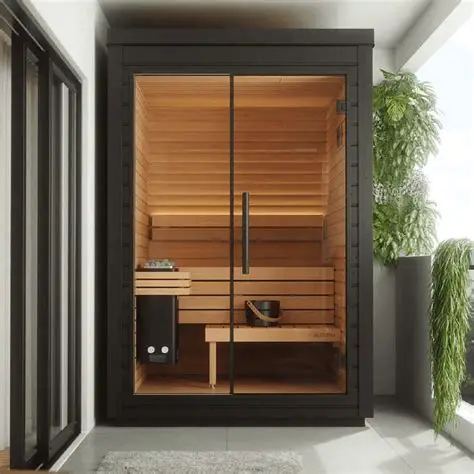
Bringing a residential sauna into your home requires careful planning regarding its placement and installation. Whether you opt for an indoor sanctuary or an outdoor retreat, understanding the practical considerations will ensure a smooth process and a safe, enjoyable experience. The location you choose will influence everything from electrical requirements to ventilation and structural support. Residential Sauna
Indoor Sauna Installation
Indoor saunas are a popular choice for their convenience, allowing year-round access regardless of the weather. Common locations include:
- Basements: Often provide ample space, good privacy, and easy access to electrical wiring.
- Bathrooms: Can be integrated into larger master bathrooms, creating a spa-like retreat. Ensure proper ventilation and moisture resistance.
- Dedicated Rooms: A spare room or a section of a larger living area can be converted.
- Garages: An often overlooked option that can provide space and ease of installation.
Key Considerations for Indoor Placement:
- Electrical Requirements: Traditional saunas, especially larger ones, often require a dedicated 240V circuit. Infrared saunas vary, with smaller models sometimes operating on 120V. Consult an electrician early in the planning process.
- Ventilation: Proper airflow is crucial for both traditional and infrared saunas. Traditional saunas need an intake and exhaust vent to circulate fresh air and prevent the build-up of stale air and excessive humidity. Infrared saunas also benefit from ventilation to exchange air. Residential Sauna
- Flooring: Choose a durable, water-resistant, and non-slip flooring material. Concrete, tile, and vinyl are excellent choices. Avoid carpet, which can trap moisture and odors.
- Walls and Insulation: Sauna walls should be well-insulated to retain heat efficiently. Cedar is a popular choice for its aesthetic appeal, durability, and resistance to moisture and rot.
- Moisture Protection: While saunas are designed for heat, traditional saunas produce steam. Ensure surrounding walls and flooring are protected from moisture, and consider a vapor barrier.
- Space: Measure carefully. Ensure there’s enough room not only for the sauna unit but also for comfortable entry, exit, and any necessary maintenance access. Residential Sauna
Outdoor Sauna Installation
An outdoor residential sauna offers a unique connection to nature and can be a stunning addition to your backyard, patio, or deck. These are often standalone units, ranging from compact barrel saunas to larger cabin-style structures. Residential Sauna
Key Considerations for Outdoor Placement:
- Foundation: A level, stable foundation is essential. This could be a concrete slab, a gravel base, or a sturdy deck.
- Weather Protection: Outdoor saunas must be built to withstand local weather conditions, including rain, snow, and extreme temperatures. High-quality, weather-resistant materials are paramount.
- Electrical Trenching: Electrical lines will need to be safely trenched underground to the sauna unit, requiring professional installation.
- Privacy: Consider the placement relative to neighbors and your home to ensure privacy during use.
- Accessibility: Think about the path from your home to the sauna, especially during colder months.
- Permits: Check local building codes and zoning regulations. Outdoor structures often require permits, especially if they are permanently affixed or exceed certain size limits. Residential Sauna
DIY vs. Professional Installation
Many residential saunas are available as pre-fabricated kits, designed for relatively straightforward assembly by a handy homeowner. However, even with kits, electrical work should always be handled by a licensed electrician. For custom-built saunas or more complex installations, hiring experienced contractors familiar with sauna construction is highly recommended. Professional installation ensures safety, adherence to building codes, and optimal performance of your sauna. Residential Sauna
‘The key to a successful residential sauna installation lies in meticulous planning. Don’t rush the process; take the time to research, consult with professionals, and ensure every detail, from electrical to ventilation, is addressed. A well-planned sauna will be a source of relaxation for years to come.’
Regardless of your chosen location, always prioritize safety. Ensure emergency exits are clear, follow manufacturer guidelines for installation and use, and regularly inspect your sauna for any signs of wear or damage. A properly installed and maintained residential sauna will be a cherished amenity, offering a private retreat for health and relaxation right at home. Residential Sauna
Maintenance and Care: Ensuring Longevity and Hygiene
To maximize the lifespan of your residential sauna and ensure a consistently hygienic and enjoyable experience, regular maintenance and proper care are essential. While saunas are built to be robust, neglecting basic upkeep can lead to issues ranging from unpleasant odors to reduced efficiency and even structural damage. A little attention goes a long way in preserving your personal wellness oasis.
Daily and Weekly Care
- Wipe Down Surfaces: After each use, especially in traditional saunas where sweat is more prevalent, wipe down benches and walls with a clean cloth. This helps remove sweat and prevents the build-up of residue.
- Ventilate Thoroughly: After your sauna session, leave the door open for an extended period (at least 30 minutes, or longer if possible) to allow the sauna to air out completely. This is crucial for preventing moisture accumulation and inhibiting mold or mildew growth, particularly in traditional saunas.
- Brush Benches: Once a week, or more frequently if used often, give the benches a light brush with a stiff-bristled brush. This helps to lift any dried sweat or skin cells from the wood grain. Residential Sauna
- Clean Headrests/Backrests: If you use portable headrests or backrests, clean them regularly according to their material.
Monthly and Quarterly Tasks
- Deep Clean Benches and Walls: Every month or two, depending on usage, perform a deeper clean of the sauna interior. Use a mild soap solution (like a diluted all-purpose cleaner or specialized sauna cleaner) and a soft brush or cloth to gently scrub the wood. Rinse with a clean, damp cloth and ensure the sauna dries completely afterward. Avoid harsh chemical cleaners, as they can damage the wood and release fumes when heated.
- Vacuum/Sweep Floor: Keep the floor clean by vacuuming or sweeping away any dust, debris, or wood particles.
- Inspect Heater and Rocks (Traditional Saunas): For traditional saunas, periodically inspect the heating elements and rocks. Remove any broken or deteriorated rocks and replace them. Ensure the rocks are sitting properly and not obstructing airflow.
- Check Emitters (Infrared Saunas): For infrared saunas, ensure the emitters are clean and free of dust or obstructions.
- Examine Wood for Damage: Look for any signs of cracking, warping, or discoloration in the wood. Address minor issues promptly to prevent them from worsening.
Annual or As-Needed Maintenance
- Sand Benches (Optional): Over time, sauna benches can become discolored or rough from sweat and use. Lightly sanding the benches with fine-grit sandpaper can restore their original appearance and smoothness. Always sand with the grain of the wood.
- Replace Heater Elements (Traditional Saunas): Heater elements have a finite lifespan. If your sauna isn’t heating efficiently, it might be time to replace them. This is typically a job for a qualified electrician.
- Check Electrical Connections: Annually, or if you suspect an issue, have a qualified electrician inspect the electrical connections to the heater and controls to ensure they are secure and safe.
- Seal Exterior (Outdoor Saunas): For outdoor residential saunas, periodically check the exterior for any signs of wear, cracks, or gaps in the sealant. Reapply sealant or stain as needed to protect the wood from the elements.
Important Tips for Sauna Care
- No Harsh Chemicals: Never use bleach, ammonia-based cleaners, or strong detergents inside your sauna. They can damage the wood, create toxic fumes when heated, and leave behind unpleasant odors.
- Avoid Varnishes or Paints: Do not varnish, paint, or seal the interior wood of your sauna. The wood needs to breathe, and finishes can prevent this, leading to cracking, peeling, and the release of chemicals when heated.
- Use Towels: Always sit on a towel to absorb sweat and protect the wood benches. This is the single most effective way to keep your sauna clean and hygienic.
- Address Spills Immediately: Clean up any water spills or other liquids promptly to prevent staining or moisture damage.
- Monitor Humidity: In traditional saunas, avoid over-drenching the rocks with water, as excessive humidity can strain the wood and heater.
By adhering to a consistent maintenance routine, your residential sauna will remain a clean, safe, and inviting space for relaxation and health for many years to come. It’s an investment in your well-being, and proper care ensures that investment continues to pay dividends.
Safety Guidelines and Best Practices for Your Home Sauna
While a residential sauna offers immense benefits, safety should always be your top priority. Adhering to best practices and understanding potential risks will ensure that your sauna experience remains a source of relaxation and health, free from worry. Educating yourself and all users on safe sauna habits is crucial for a secure environment.
Before You Enter the Sauna
- Consult Your Doctor: If you have any pre-existing health conditions (e.g., heart disease, high blood pressure, diabetes, pregnancy), are on medication, or are elderly, consult your physician before using a sauna.
- Hydrate: Drink plenty of water before entering the sauna to prevent dehydration.
- Remove Jewelry and Contacts: Metal jewelry can get extremely hot and cause burns. Contact lenses can dry out uncomfortably in the heat.
- Shower First: A quick shower before entering helps cleanse your skin and can enhance the sweating process.
- Limit Alcohol: Avoid alcohol consumption before and during sauna use, as it can increase the risk of dehydration and cardiovascular strain.
- Don’t Eat a Heavy Meal: A light stomach is generally more comfortable in the heat.
During Your Sauna Session
- Limit Session Time: Start with shorter sessions (5-10 minutes) and gradually increase as your body adapts. Most sessions should not exceed 15-20 minutes. Listen to your body and exit if you feel dizzy, nauseous, or unwell.
- Stay Hydrated: Keep water nearby and sip it during your session, especially if you plan multiple entries.
- Avoid Overheating: If the heat becomes too intense, exit the sauna immediately. Don’t push yourself beyond your comfort level.
- Never Sleep in the Sauna: This is a significant safety risk. The heat can lead to severe dehydration or heatstroke.
- Use a Towel: Always sit or lie on a towel to absorb sweat and protect the wood from moisture and body oils.
- Supervise Children: Children should always be supervised by an adult in a sauna, and their sessions should be much shorter and at lower temperatures. Consult a pediatrician before allowing children to use a sauna.
- Avoid Oils and Lotions: Do not use essential oils directly on the heater or stones, as this can be a fire hazard. Avoid lotions in the sauna as they can clog pores and stain the wood.
After Your Sauna Session
- Cool Down Gradually: After exiting, allow your body to cool down slowly. A cool shower or simply resting in a cooler room is recommended. Avoid immediate cold plunges if you’re new to sauna use or have heart conditions.
- Rehydrate: Continue to drink plenty of water or electrolyte-rich beverages to replenish fluids lost through sweating.
- Rest: Take some time to relax and allow your body to fully recover before engaging in strenuous activity.
General Safety Considerations for Your Residential Sauna
- Proper Ventilation: Ensure your sauna has adequate ventilation as per installation guidelines to provide fresh air and prevent oxygen depletion.
- Emergency Exit: The sauna door should always open outwards and never be locked from the inside.
- Heater Guard Rail: Ensure your traditional sauna heater has a protective wooden guard rail to prevent accidental contact with the hot elements or rocks.
- Fire Safety: Keep flammable materials away from the heater. Never place clothing or other items on the heater or rocks. Regularly inspect wiring for any signs of damage.
- Electrical Safety: All electrical work should be performed by a licensed electrician, ensuring proper grounding and adherence to local codes.
- Maintenance: Regular cleaning and inspection, as outlined in the Maintenance section, contribute significantly to overall safety.
- No Solitary Use (for extended periods): While a home sauna offers privacy, it’s wise to inform someone you’re using it, especially for longer sessions, in case of an emergency.
By following these comprehensive safety guidelines, your residential sauna will remain a safe, therapeutic, and enjoyable addition to your home, offering countless moments of relaxation and well-being for you and your family.
Embracing the Sauna Lifestyle at Home
A residential sauna is more than just a home appliance; it’s an investment in your health, happiness, and overall quality of life. The decision to install a personal sauna opens the door to a world of consistent wellness, offering a private sanctuary where you can escape the demands of daily life and focus on self-care. From the soothing warmth that melts away muscle tension to the detoxifying sweat that leaves you feeling refreshed, the benefits are both immediate and cumulative.
By understanding the different types of saunas, carefully planning for installation, committing to regular maintenance, and always prioritizing safety, you can create a truly exceptional and long-lasting wellness feature in your home. Imagine the luxury of stepping into your own personal retreat whenever you wish, without the need for appointments or travel. A residential sauna is a testament to mindful living, providing a dedicated space for physical recovery, mental clarity, and profound relaxation. Embrace this ancient tradition and transform your home into a haven of health and tranquility.
Leave a Reply