
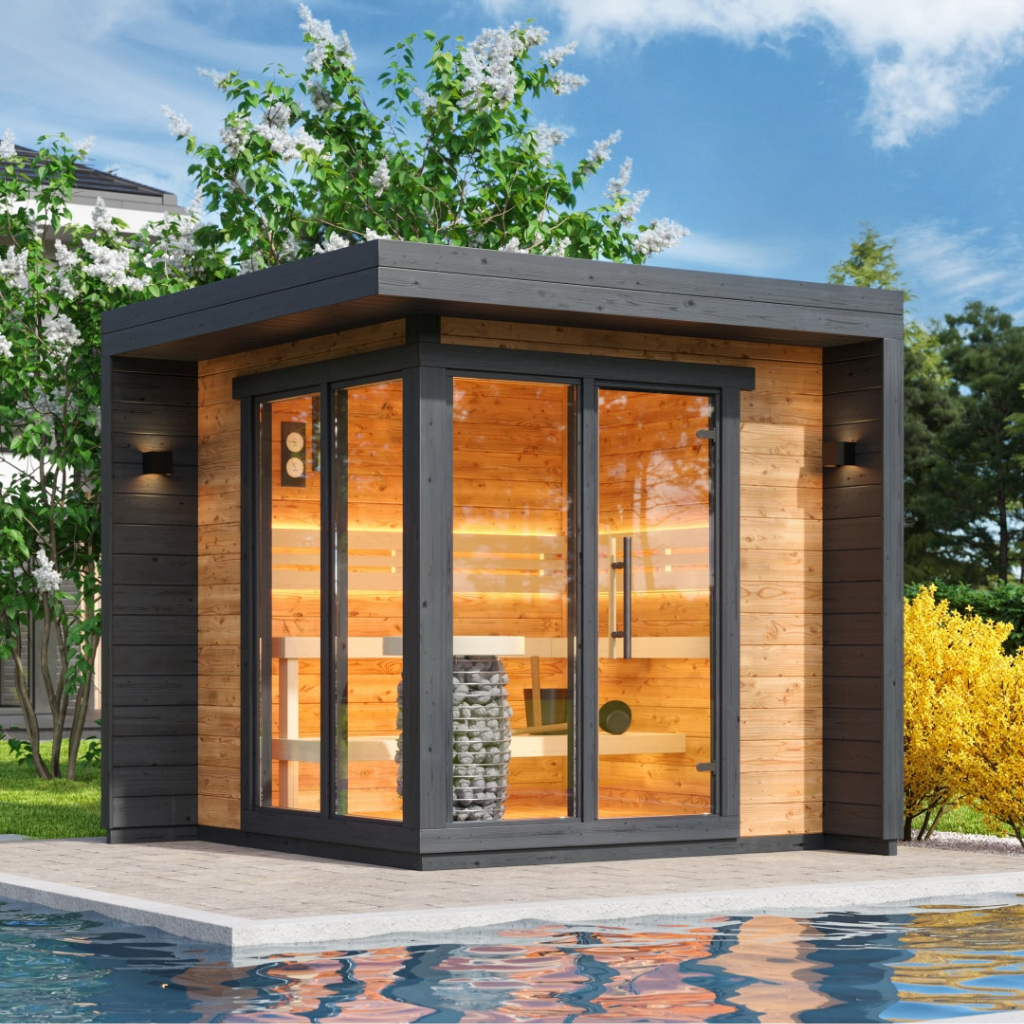
Imagine stepping out of your back door directly into a sanctuary of warmth and tranquility. A patio sauna isn’t just an addition to your outdoor living space; it’s an investment in your well-being, offering a convenient and luxurious escape from the daily grind. As the world increasingly embraces home-based wellness solutions, the allure of having a personal sauna just steps away, nestled in your garden or on your deck, has grown immensely. This guide will explore the myriad benefits, practical considerations, and expert tips for integrating a patio sauna into your home, transforming your outdoor area into a year-round haven of relaxation and rejuvenation.
For centuries, saunas have been cherished across various cultures for their therapeutic properties, from soothing sore muscles to promoting detoxification and deep relaxation. Bringing this ancient practice into the modern home, particularly in an outdoor setting, offers a unique blend of convenience and connection with nature. Whether you’re seeking a quiet moment of reflection, a way to unwind after a long day, or a natural boost to your health, a patio sauna provides an accessible and luxurious solution. Let’s delve into how you can make this dream a reality, creating a personal wellness oasis right in your own backyard. Patio Sauna
The Unrivaled Benefits of a Patio Sauna
The decision to install a patio sauna extends beyond mere luxury; it’s a commitment to a healthier, more balanced lifestyle. The advantages are numerous, impacting both physical and mental well-being in profound ways. Understanding these benefits can help underscore the value a patio sauna brings to your home and your daily routine. Patio Sauna
Physical Health Enhancements
- Muscle Relaxation and Pain Relief: The deep, penetrating heat of a sauna significantly increases blood circulation, which helps relax tight muscles and alleviate various types of pain, including joint aches and post-exercise soreness. This makes a patio sauna an ideal recovery tool for athletes and anyone experiencing chronic discomfort.
- Detoxification: Sweating is one of the body’s natural ways to eliminate toxins. Regular sauna use promotes intense sweating, aiding in the removal of heavy metals, environmental pollutants, and other impurities, contributing to overall detoxification and a feeling of freshness. Patio Sauna
- Improved Cardiovascular Health: Studies suggest that frequent sauna use can mimic the effects of moderate exercise on the cardiovascular system. The heat causes the heart to beat faster and blood vessels to dilate, improving circulation and potentially lowering blood pressure over time. It’s a gentle workout for your heart.
- Skin Health: Increased blood flow to the skin and enhanced sweating help to cleanse pores, remove dead skin cells, and promote a healthy glow. Many users report clearer, softer skin with regular sauna sessions.
- Boosted Immune System: Exposure to heat in a sauna can stimulate the production of white blood cells, which are crucial for fighting off infections and diseases. Regular use may lead to a stronger immune response and reduced incidence of common colds and flu. Patio Sauna
- Weight Management Support: While not a direct weight loss solution, sauna use can contribute to weight management by burning calories through increased heart rate and metabolism. It also aids in reducing water retention, giving a temporary feeling of lightness. Patio Sauna
Mental and Emotional Well-being
- Stress Reduction and Relaxation: The warm, quiet environment of a sauna is inherently calming. It provides a perfect setting to unplug from digital distractions, practice mindfulness, and reduce stress levels. The release of endorphins during a sauna session further enhances feelings of well-being and euphoria.
- Improved Sleep Quality: The deep relaxation induced by a sauna session, coupled with the body’s natural cooling process afterward, can significantly improve sleep quality. Many users find it easier to fall asleep and experience more restorative sleep after incorporating saunas into their evening routine.
- Enhanced Mood: Regular sauna use has been linked to a reduction in symptoms of depression and anxiety. The combination of physiological benefits and the dedicated time for self-care contributes to a more positive outlook and improved mental resilience.
- Social Connection: While many enjoy solo sauna sessions, a patio sauna can also serve as a wonderful space for connecting with family and friends. Sharing the experience can foster deeper bonds and create memorable moments. Patio Sauna
The cumulative effect of these benefits makes a compelling case for integrating a patio sauna into your lifestyle. It’s more than just a luxury; it’s a holistic tool for enhancing physical vitality, mental clarity, and emotional balance. Patio Sauna
Choosing the Right Patio Sauna for Your Space
With a growing market of outdoor saunas, selecting the perfect model for your patio requires careful consideration of various factors, including type, size, heating method, and materials. Each choice impacts the sauna’s performance, aesthetics, and maintenance requirements. Patio Sauna
Types of Patio Saunas
- Barrel Saunas: These are a popular choice for outdoor settings due to their distinctive round shape, which allows for efficient heat distribution and a charming, rustic aesthetic. Their design often means less wasted space and faster heating times. Barrel saunas typically come in various sizes, accommodating from two to eight people.
- Cabin Saunas: Resembling small wooden cabins, these saunas offer a more traditional look and often provide more interior space, allowing for benches at different heights. They can be square or rectangular and might offer more flexibility in terms of internal layout and features.
- Infrared Saunas: Unlike traditional saunas that heat the air, infrared saunas use infrared heaters to directly warm the body. This results in a lower ambient air temperature, making them a good option for those who find traditional high-heat saunas too intense. They are often more energy-efficient and can be found in both barrel and cabin styles suitable for outdoor use, though extra weather protection might be needed for the electrical components.
- Modular or Kit Saunas: These saunas come as pre-fabricated panels or kits that can be assembled on-site. They offer a balance between custom design and ease of installation, making them a popular choice for DIY enthusiasts or those looking for a quicker setup. Patio Sauna
- Custom-Built Saunas: For those with specific design visions or unique spatial requirements, a custom-built patio sauna offers ultimate personalization. This option allows for complete control over materials, dimensions, features, and integration with existing landscaping.
Heating Methods
- Electric Heaters: The most common and convenient option for residential saunas. Electric heaters are easy to install, heat up quickly, and allow for precise temperature control. They require a dedicated electrical circuit.
- Wood-Burning Stoves: For a more authentic and traditional sauna experience, a wood-burning stove provides a natural heat source and a delightful crackling sound. This option requires a chimney and proper ventilation, as well as a readily available wood supply. It’s often chosen for remote locations or those seeking a rustic ambiance.
- Infrared Heaters: As mentioned, these heaters emit infrared light that directly heats the body, rather than the air. They operate at lower temperatures and are often preferred for their energy efficiency and a different kind of heat experience.
Materials and Construction
The longevity and performance of your patio sauna depend heavily on the materials used. Look for high-quality, weather-resistant woods and construction techniques:
- Wood Types: Cedar (Western Red Cedar is highly prized for its durability, resistance to rot and insects, and pleasant aroma), Hemlock, Pine, and Spruce are common choices. Cedar is particularly recommended for outdoor saunas due to its natural resistance to moisture and decay.
- Insulation: Proper insulation is crucial for energy efficiency and maintaining consistent temperatures, especially in colder climates.
- Roofing: A durable, weatherproof roof (shingles, metal, or EPDM rubber) is essential to protect the sauna from rain, snow, and UV radiation.
- Foundation: A level, stable foundation (concrete pad, paver base, or reinforced deck) is necessary to support the weight of the sauna and ensure its longevity.
Size and Capacity
Consider how many people will typically use the sauna. Saunas range from compact 1-2 person models to larger units accommodating six or more. Measure your available patio space carefully, allowing for clearance around the sauna and comfortable access.
Additional Features to Consider
- Lighting: Interior and exterior lighting can enhance the ambiance and usability, especially for evening sessions.
- Sound Systems: Integrated Bluetooth speakers allow you to enjoy music or podcasts during your sauna session.
- Chromotherapy: LED light systems that cycle through different colors can add a therapeutic visual element.
- Windows: Small windows can offer views of your garden while maintaining privacy.
- Changing Room/Porch: Some larger models include a small changing area or an outdoor porch, enhancing the overall experience and convenience.
By carefully evaluating these options, you can select a patio sauna that perfectly aligns with your preferences, budget, and outdoor space, ensuring years of enjoyment and relaxation.
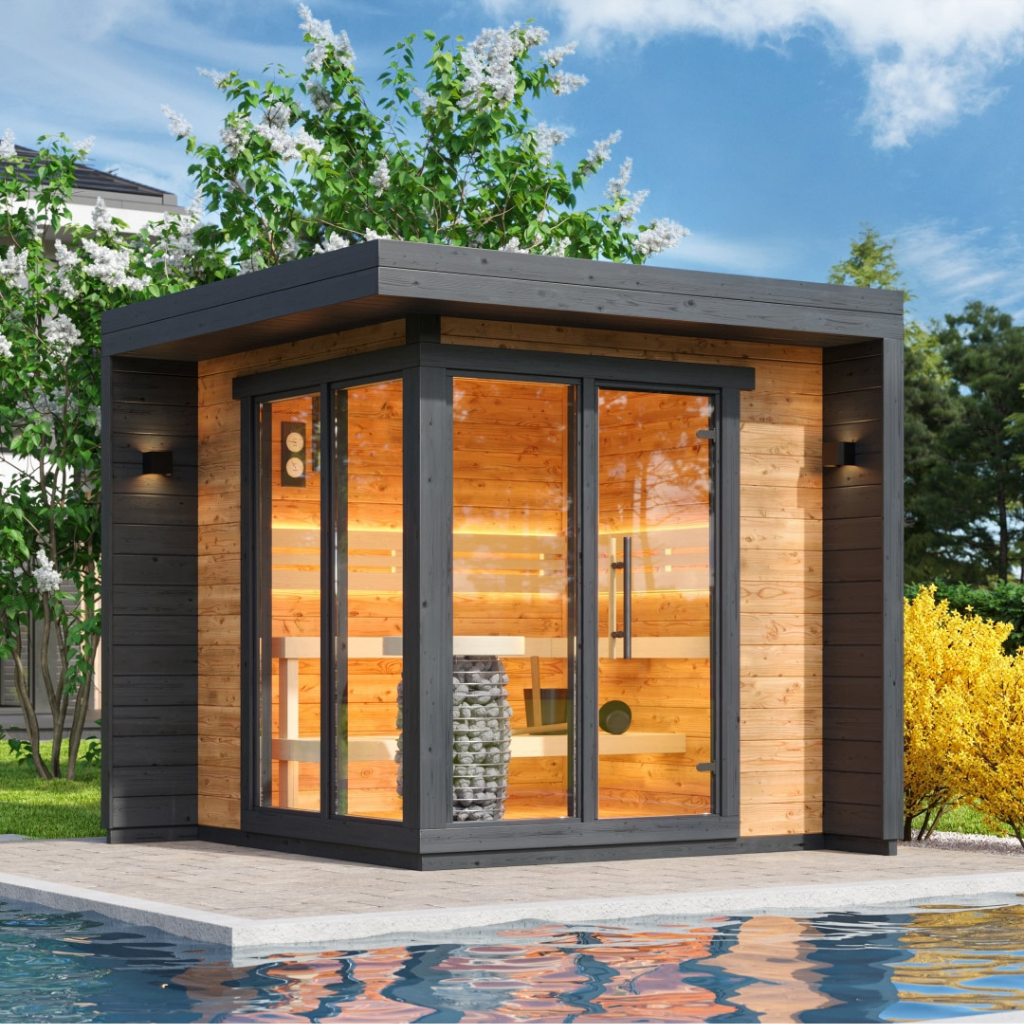
Installation and Site Preparation for Your Outdoor Oasis
Proper installation and site preparation are paramount to the longevity, safety, and optimal performance of your patio sauna. Rushing this stage can lead to structural issues, inefficient heating, or even safety hazards. A well-planned installation ensures your sauna becomes a reliable and enjoyable feature of your home.
Choosing the Ideal Location
The first step is selecting the best spot on your patio or in your yard. Consider the following:
- Level Ground: The foundation must be perfectly level to prevent structural stress and ensure proper door and window alignment.
- Drainage: Position the sauna where water can drain away easily, preventing pooling around the base, which can lead to wood rot.
- Privacy: While an outdoor sauna offers a connection to nature, privacy is often desired. Consider natural landscaping, fences, or the orientation of the sauna to ensure a secluded experience.
- Accessibility: Ensure easy access to and from your home, especially if you plan to use it frequently during colder months. Proximity to a shower or cold plunge is also a plus.
- Sun Exposure: While some sun can be beneficial for drying, excessive direct sunlight can cause wood to fade or warp over time. Consider partial shade or a location that receives morning sun.
- Electrical Access: For electric saunas, proximity to a suitable power source is crucial. This will minimize trenching and wiring costs.
- Ventilation: Ensure there’s adequate airflow around the sauna, particularly for wood-burning models that require proper chimney clearance.
Foundation Requirements
A solid, level foundation is non-negotiable. Common options include:
- Concrete Pad: A poured concrete slab provides the most stable and durable foundation. Ensure it’s slightly larger than the sauna’s footprint and has a slight slope for drainage.
- Paver Base: A compacted gravel base topped with pavers can also work, provided the base is meticulously leveled and compacted.
- Deck Extension: If installing on an existing deck, ensure the deck structure can support the weight of the sauna. Reinforcement may be necessary.
- Gravel Pad: While simpler, a well-prepared gravel pad (with proper edging) can also serve as a foundation, offering excellent drainage.
Electrical and Plumbing Considerations
- Electrical Wiring: Electric saunas typically require a dedicated 240V circuit. This is not a DIY task for most homeowners and should be handled by a licensed electrician. They will ensure the wiring meets local codes and is adequately protected from the elements.
- Lighting and Accessories: Plan for any additional electrical needs, such as exterior lighting, sound systems, or chromotherapy lights.
- Plumbing (Optional): While a sauna itself doesn’t require plumbing, you might consider proximity to an outdoor shower or a hose bib for rinsing off or cleaning.
Assembly and Construction
Most patio saunas come as kits with detailed instructions. While some homeowners opt for DIY assembly, consider professional installation for larger or more complex models. Key assembly tips include:
- Read Instructions Carefully: Before starting, thoroughly review the entire manual.
- Assemble on a Dry Day: Protect wood components from moisture during assembly.
- Check for Squareness: Ensure walls are plumb and square as you build to prevent issues with doors and windows.
- Seal Joints: Use appropriate sealants to prevent moisture ingress, especially at the base and roofline.
- Ventilation: Ensure all engineered ventilation points are clear and functional.
Permits and Regulations
Before any construction, check with your local municipality regarding building permits, zoning restrictions, and setback requirements. Outdoor structures, even pre-fabricated ones, often have regulations regarding size, height, and proximity to property lines or other structures. Ignoring these can lead to fines or the forced removal of your sauna.
By dedicating time and attention to these installation and site preparation steps, you’ll lay a solid groundwork for a safe, efficient, and long-lasting patio sauna, ensuring it becomes a cherished part of your outdoor living experience for years to come.
Maintaining Your Patio Sauna for Lasting Enjoyment
Once your patio sauna is installed, proper maintenance is key to preserving its beauty, functionality, and hygienic conditions. Regular care will extend its lifespan, ensure optimal performance, and keep it a welcoming sanctuary for relaxation.
Regular Cleaning and Hygiene
- Wipe Down After Each Use: After every session, especially if multiple people use it, wipe down benches and walls with a clean cloth to remove sweat and moisture. This prevents the buildup of bacteria and odors.
- Deep Clean Periodically: Depending on usage, perform a deeper clean every few weeks or months. Use a mild, non-toxic sauna cleaner or a solution of water and vinegar. Avoid harsh chemical cleaners as they can damage the wood and release fumes when heated.
- Ventilate Thoroughly: Always leave the sauna door and vents open after use to allow for complete drying and air circulation. This is crucial for preventing mold and mildew growth.
- Sand Benches (Annually/Bi-Annually): Over time, benches can become discolored or rough from sweat and use. Lightly sanding the benches with fine-grit sandpaper can restore their smooth finish and fresh appearance.
- Wash Floor Mats: If using floor mats, remove and wash them regularly.
Wood Care and Protection
- Exterior Sealing/Staining: The exterior wood of your patio sauna is exposed to the elements and should be treated with a high-quality, outdoor-grade wood sealant or stain. This protects against UV damage, moisture, rot, and insects. Reapply every 1-3 years, or as recommended by the product manufacturer and dictated by your climate.
- Interior Wood: Generally, the interior wood of a traditional sauna should not be sealed or stained, as these products can emit fumes when heated. The wood is typically left untreated to allow it to breathe and absorb moisture.
- Inspect for Damage: Regularly check the exterior for any signs of cracking, warping, or rot. Address minor issues promptly to prevent them from escalating.
Heater Maintenance
- Electric Heaters:
- Check Heating Elements: Periodically inspect the heating elements for any damage or corrosion.
- Clean Around Elements: Ensure the area around the heating elements is free of debris, dust, or lint, which could become a fire hazard.
- Inspect Rocks: If using a traditional electric heater with rocks, periodically remove the rocks, clean them, and replace any that are cracked or crumbling. Repack them loosely to ensure proper airflow.
- Wood-Burning Stoves:
- Chimney Cleaning: Regularly clean the chimney to prevent creosote buildup, which is a significant fire risk. This is often an annual task, depending on usage.
- Ash Removal: Empty the ash pan after each use to maintain efficiency and airflow.
- Inspect Stove Pipe and Firebox: Check for any cracks, rust, or damage to the stove pipe and firebox.
- Infrared Heaters:
- Wipe Down Panels: Keep infrared panels clean and free of dust to ensure optimal heat emission.
- Check Connections: Periodically inspect electrical connections for tightness and corrosion.
Structural Integrity and Safety Checks
- Roof Inspection: Check the roof annually for leaks, damaged shingles, or any signs of wear. Repair promptly to prevent water damage to the interior.
- Door and Window Seals: Ensure door and window seals are intact to prevent heat loss and moisture intrusion. Replace worn seals as needed.
- Foundation Check: Periodically inspect the foundation for any signs of shifting, settling, or cracking.
- Electrical Safety: For electric saunas, ensure all electrical components, wiring, and GFCI outlets (if applicable) are in good working order. If you notice any flickering lights, strange smells, or tripped breakers, consult a licensed electrician immediately.
- Ventilation: Ensure all vents are clear and unobstructed to allow for proper air exchange.
Winterization (in cold climates)
While most outdoor saunas are designed for year-round use, in extremely cold climates, some additional steps might be considered:
- Empty Water Buckets: Ensure no water is left in buckets or dippers that could freeze and crack.
- Consider a Cover: A breathable, custom-fit cover can offer extra protection from heavy snow and ice, though it’s not always necessary for well-built saunas.
- Maintain Heating: If you use your sauna regularly in winter, ensure your heater is performing optimally.
By dedicating a little time to routine maintenance, your patio sauna will remain a clean, safe, and inviting space, providing countless hours of therapeutic warmth and relaxation for many years to come.
Designing Your Patio Sauna Experience: Beyond the Structure
A patio sauna is more than just a wooden box that gets hot; it’s an opportunity to create a holistic wellness experience. Thoughtful design elements and accessories can elevate your sauna from a simple structure to a truly immersive retreat, enhancing both its aesthetic appeal and its functional benefits.
Landscaping and Integration
- Pathways: Create an inviting pathway from your home to the sauna using pavers, stepping stones, or gravel. This not only guides the way but also keeps dirt out of the sauna.
- Planting: Surround your sauna with suitable landscaping. Drought-tolerant plants, ornamental grasses, or evergreen shrubs can provide privacy, soften the structure, and create a serene natural backdrop. Consider aromatic plants like lavender or rosemary for a sensory experience.
- Lighting: Thoughtful outdoor lighting can transform the ambiance. Low-voltage path lights, subtle uplighting on nearby trees, or string lights can create a magical atmosphere for evening sauna sessions. Avoid harsh, bright lights.
- Seating Area: Incorporate a small seating area near the sauna. A bench, a couple of Adirondack chairs, or even a small bistro set provides a place to cool down, hydrate, or simply enjoy the outdoors before or after your session.
- Water Features: The gentle sound of a nearby fountain or small pond can enhance the sense of tranquility and relaxation.
- Cold Plunge/Shower: For the ultimate Nordic experience, consider adding an outdoor shower or a cold plunge tub near your sauna. Alternating between hot and cold therapy offers significant health benefits.
Essential Accessories and Amenities
- Sauna Bucket and Ladle: Essential for pouring water over hot rocks in traditional saunas to create steam (löyly).
- Thermometer and Hydrometer: To monitor and maintain your desired temperature and humidity levels.
- Hourglass or Timer: For tracking session duration without bringing electronics into the heat.
- Sauna Scents/Aromatherapy: Add a few drops of essential oils (eucalyptus, pine, lavender) to your ladle of water for an invigorating or calming aromatic experience. Ensure they are sauna-safe.
- Towels and Robes: Keep a supply of soft towels and comfortable robes readily accessible for use before and after your session.
- Water Bottle Holders: Hydration is key. Ensure there’s a convenient place for water bottles inside and outside the sauna.
- Headrests and Backrests: Ergonomically designed wooden headrests and backrests can significantly enhance comfort during longer sessions.
- Sauna Brushes/Whisks (Vihta/Vasta): For a traditional experience, bundles of birch or oak branches (soaked in water) are used to gently strike the skin, stimulating circulation and releasing beneficial aromas.
- Sound System: A weather-resistant outdoor speaker or an integrated sauna sound system can provide relaxing music or podcasts.
- Reading Material: If you enjoy reading, consider a waterproof e-reader or a book specifically designated for sauna use.
Creating a Ritual
The true value of a patio sauna often lies in the ritual it inspires. By establishing a routine, you can maximize its benefits and turn sauna time into a cherished part of your week. This might include:
- Pre-Sauna Prep: Hydrating, showering, and perhaps some light stretching.
- During the Session: Practicing mindfulness, deep breathing, or simply enjoying the quiet. Alternating between hot and cool-down periods.
- Post-Sauna Cool Down: Taking a cold shower or plunge, relaxing in your outdoor seating area, and rehydrating.
- Mindful Disconnection: Using sauna time as a digital detox, leaving phones and other devices indoors.
By thoughtfully designing the environment around your patio sauna and embracing the accessories and rituals that enhance the experience, you can create a truly personalized wellness oasis that serves as a source of rejuvenation and peace for years to come. It’s about crafting a space that not only functions well but also feels deeply inviting and supportive of your overall well-being.
Addressing Common Questions and Concerns
Investing in a patio sauna naturally brings up several questions regarding safety, energy consumption, and longevity. Addressing these concerns upfront helps ensure a smooth and satisfying ownership experience.
Safety Considerations
- Hydration: Always emphasize the importance of hydration. Drink plenty of water before and after a sauna session to prevent dehydration.
- Duration and Temperature: Advise users to start with shorter sessions (5-10 minutes) at moderate temperatures and gradually increase as their body adapts. Avoid excessively long sessions or extremely high temperatures, especially for beginners.
- Medical Conditions: Individuals with certain medical conditions (e.g., heart conditions, high blood pressure, pregnancy) should consult their doctor before using a sauna.
- Children: Supervise children closely in saunas and ensure their sessions are brief and at lower temperatures.
- Alcohol/Medication: Never use a sauna under the influence of alcohol or drugs, or if taking medications that may impair judgment or affect heat tolerance.
- Ventilation: Ensure proper ventilation is maintained to provide fresh air and prevent oxygen depletion, especially with wood-burning saunas.
- Fire Safety: For wood-burning saunas, ensure proper clearances from combustible materials, regular chimney cleaning, and a fire extinguisher nearby. For electric saunas, ensure proper electrical installation by a licensed professional.
- Emergency Exit: The sauna door should always open outwards and never be locked from the inside to allow for easy exit in an emergency.
Energy Consumption
The energy cost of running a patio sauna varies significantly based on several factors:
- Sauna Type: Infrared saunas are generally more energy-efficient than traditional electric saunas because they operate at lower temperatures and heat the body directly.
- Size and Insulation: Larger saunas require more energy to heat. Well-insulated saunas retain heat more efficiently, reducing energy consumption.
- Usage Frequency: The more often you use your sauna, the higher your energy bill will be.
- Climate: In colder climates, the heater will work harder and consume more energy to reach and maintain the desired temperature.
- Electricity Rates: Local electricity prices play a significant role in the overall cost.
To estimate costs, you can typically find the wattage of your sauna heater (e.g., 6kW, 8kW). Multiply the wattage by the average hours of use per month, then by your electricity rate per kilowatt-hour (kWh). For example, a 6kW heater used for 10 hours a month at $0.15/kWh would cost roughly 6 kW * 10 hours * $0.15/kWh = $9.00 per month. This is a rough estimate; actual costs may vary.
Longevity and Durability
A well-maintained patio sauna, constructed from quality materials, can last for 15-20 years or even longer. Factors influencing longevity include:
- Material Quality: Saunas made from durable, rot-resistant woods like Western Red Cedar tend to last longer.
- Construction Quality: Proper assembly, tight joints, and robust roofing contribute to structural integrity.
- Climate: Saunas in harsh climates (extreme cold, heavy rain, intense sun) may require more frequent maintenance and potentially have a slightly shorter lifespan if not adequately protected.
- Maintenance: Regular cleaning, sealing of exterior wood, and heater maintenance are crucial for extending the sauna’s life.
- Foundation: A stable and level foundation prevents undue stress on the sauna’s structure.
By being aware of these common concerns and taking proactive steps to address them, you can ensure your patio sauna remains a safe, efficient, and long-lasting source of wellness and enjoyment for your home.
Bringing a patio sauna into your home is more than just adding a new feature; it’s about cultivating a lifestyle centered around wellness, relaxation, and connection. From the profound physical and mental health benefits to the sheer luxury of a private outdoor retreat, the advantages are clear. By carefully considering the type of sauna, preparing your site diligently, and committing to regular maintenance, you can create a sanctuary that serves as a personal escape and a valuable asset to your property for years to come. Embrace the warmth, the tranquility, and the rejuvenation that a patio sauna offers, and transform your outdoor space into the ultimate wellness destination.
Leave a Reply