
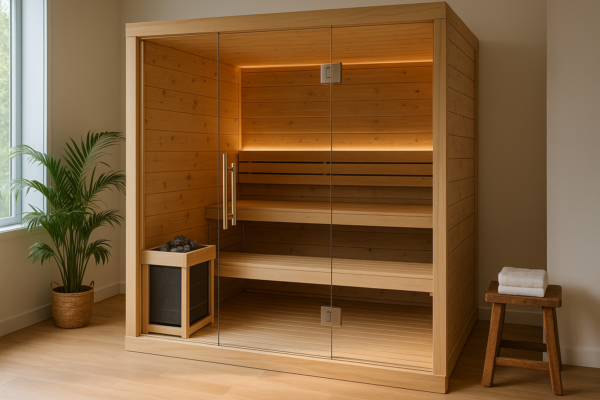
In an increasingly fast-paced world, finding moments of tranquility and rejuvenation is more important than ever. While spas and wellness centers offer a temporary escape, imagine having a dedicated sanctuary for relaxation and health right within your own home. This is the promise of an indoor sauna – a personal haven designed to melt away stress, detoxify the body, and promote overall well-being. Far from being a luxury reserved for high-end gyms, indoor saunas are becoming an accessible and highly sought-after addition to modern homes, offering a convenient and private way to embrace the ancient practice of heat therapy.
This comprehensive guide delves into every aspect of bringing an indoor sauna into your life. We will explore the various types available, discuss the significant health benefits, walk through the considerations for installation, and provide essential tips for maintenance and safe usage. Whether you’re contemplating a traditional Finnish dry sauna, a soothing infrared cabin, or a steam room, understanding the nuances will empower you to make an informed decision and embark on a journey towards enhanced health and relaxation from the comfort of your own dwelling. Indoor Sauna
The Enduring Appeal of Indoor Saunas: More Than Just Heat
The concept of using heat for therapeutic purposes dates back thousands of years, with cultures across the globe developing their own unique traditions. From the ancient Roman bathhouses to the Native American sweat lodges and, most famously, the Finnish sauna, the core principle remains the same: inducing perspiration to cleanse the body and calm the mind. An indoor sauna brings this timeless practice directly into your living space, offering a myriad of benefits that extend far beyond simple relaxation.
Health and Wellness Benefits
- Stress Reduction and Relaxation: The warm, enveloping environment of a sauna is incredibly effective at reducing stress. Heat helps to relax muscles, soothe tension, and promote a sense of calm. Regular sauna use can lower cortisol levels, the body’s primary stress hormone, leading to improved mood and better sleep quality.
- Detoxification Through Perspiration: Sweating is one of the body’s natural mechanisms for detoxification. Sauna heat induces a deep sweat, helping to expel toxins, heavy metals, and other impurities through the skin. This process can lighten the load on your kidneys and liver, supporting overall detoxification pathways.
- Improved Cardiovascular Health: Studies suggest that regular sauna use can have positive effects on cardiovascular health, mimicking some of the benefits of moderate exercise. The heat causes blood vessels to dilate, increasing heart rate and improving circulation. This can lead to lower blood pressure and improved vascular function over time.
- Muscle Relaxation and Pain Relief: The deep penetrating heat of a sauna helps to relax tight muscles, alleviate joint stiffness, and reduce general aches and pains. It’s particularly beneficial for individuals suffering from conditions like arthritis, fibromyalgia, or post-workout muscle soreness.
- Enhanced Skin Health: Increased blood flow to the skin during a sauna session brings nutrients to the surface, promoting a healthy glow. The deep cleansing action of sweat also helps to clear pores, potentially reducing acne and improving skin clarity.
- Boosted Immune System: The elevated body temperature experienced in a sauna can stimulate the production of white blood cells, which are crucial for fighting off infections. Regular sauna use may therefore contribute to a stronger immune response, helping to ward off common colds and flu.
- Better Sleep Quality: The deep relaxation induced by a sauna session, coupled with the subsequent cooling down period, can significantly improve sleep quality. Many users report falling asleep faster and experiencing more restful sleep after incorporating saunas into their routine.
Convenience and Privacy
Perhaps one of the most compelling reasons for an indoor sauna is the unparalleled convenience and privacy it offers. No more driving to a gym or spa, waiting for an open session, or dealing with crowded facilities. Your personal sauna is available whenever you desire, allowing you to integrate heat therapy seamlessly into your daily routine. This accessibility encourages more consistent use, maximizing the health benefits and transforming your home into a personal wellness retreat.
Choosing Your Perfect Indoor Sauna: Types and Features
The world of indoor saunas offers a variety of options, each with its unique characteristics and benefits. Understanding these differences is crucial for selecting the sauna that best fits your needs, space, and budget. Indoor Sauna
Traditional Finnish Saunas (Dry Saunas)
The quintessential sauna experience, traditional Finnish saunas use an electric or wood-burning heater to warm volcanic rocks. Water is then ladled onto these hot rocks to create steam (löyly), raising the humidity and intensifying the sensation of heat. Temperatures typically range from 160°F to 200°F (70°C to 95°C) with low humidity, which can be temporarily increased with water.
- Heat Source: Electric heater with rocks (most common for indoor), or wood-burning stove (less common for indoor due to ventilation requirements).
- Temperature Range: High (160°F – 200°F / 70°C – 95°C).
- Humidity: Low, with ability to create steam by pouring water on rocks.
- Benefits: Deep, intense heat; traditional experience; excellent for detoxification and muscle relaxation.
- Considerations: Requires proper ventilation; longer heat-up time; higher energy consumption compared to infrared.
Infrared Saunas
Infrared saunas operate on a different principle. Instead of heating the air, infrared heaters emit electromagnetic radiation that directly warms your body. This allows for a lower ambient air temperature (typically 120°F – 150°F / 50°C – 65°C) while still inducing a deep, penetrating sweat. There are different types of infrared heaters, including far-infrared (FIR), mid-infrared (MIR), and near-infrared (NIR), each penetrating the skin to different depths. Indoor Sauna
- Heat Source: Infrared emitters (carbon, ceramic, or full-spectrum).
- Temperature Range: Moderate (120°F – 150°F / 50°C – 65°C).
- Humidity: Very low to none.
- Benefits: Deeper tissue penetration at lower air temperatures; faster heat-up time; lower energy consumption; gentle heat for those sensitive to high temperatures.
- Considerations: Different sensation than traditional saunas; some debate over the ‘full spectrum’ benefits; less steam-like experience. Indoor Sauna
Steam Rooms (Turkish Baths)
While often grouped with saunas, steam rooms are distinct. They operate at much lower temperatures (110°F – 120°F / 43°C – 49°C) but with nearly 100% humidity. A steam generator boils water and releases it as vapor into the sealed room.
- Heat Source: Steam generator.
- Temperature Range: Low (110°F – 120°F / 43°C – 49°C).
- Humidity: Very high (near 100%).
- Benefits: Excellent for respiratory health, clearing congestion, hydrating skin; very relaxing and soothing.
- Considerations: Not suitable for everyone due to high humidity; requires waterproof construction and drainage; different physiological effects than dry heat.
Combination Saunas
Some manufacturers offer hybrid saunas that combine the best of both worlds, featuring both traditional sauna heaters and infrared panels. This allows users to switch between or combine heating methods, offering a versatile experience. Indoor Sauna
Sauna Kit vs. Pre-built vs. Custom Build
- Sauna Kits: These typically include all the necessary components (wood, heater, controls, door) that you assemble yourself. They offer a balance of cost-effectiveness and customization.
- Pre-built Modular Saunas: These are freestanding units that arrive largely pre-assembled or in large panels that simply lock together. They are quick to install and often portable.
- Custom Built-in Saunas: For those with specific design visions or challenging spaces, a custom-built sauna allows for complete integration into your home’s architecture. This is often the most expensive option but offers unparalleled personalization.
Key Considerations for Indoor Sauna Installation
Before purchasing your indoor sauna, careful planning is essential. Several factors need to be addressed to ensure a safe, functional, and enjoyable installation. Indoor Sauna
Space Requirements
The first and most obvious consideration is where your sauna will go. Measure your available space meticulously. Remember to account for door swings and a comfortable clearance around the sauna. Common locations include basements, master bathrooms, unused bedrooms, or even large walk-in closets. Ensure the floor can support the weight of the sauna, especially for larger units.
Electrical Requirements
This is critical. Most indoor saunas, especially traditional electric models, require a dedicated 240V circuit. Infrared saunas may sometimes run on 120V, but often still benefit from a dedicated circuit. Consult with a licensed electrician to determine your home’s electrical capacity and to install any necessary wiring. Never attempt to wire a sauna yourself unless you are a qualified professional. Improper wiring is a significant fire hazard. Indoor Sauna
Ventilation
Proper ventilation is paramount for traditional saunas to ensure fresh air circulation, prevent stale air buildup, and help manage humidity. Most sauna kits include vents, but understanding their placement and ensuring they aren’t obstructed is important. Infrared saunas have less stringent ventilation requirements, but good airflow in the room where the sauna is located is still advisable.
Flooring
For traditional saunas, a waterproof or water-resistant floor is highly recommended, as water is poured over rocks. Concrete, tile, or vinyl are excellent choices. Wood flooring is generally not ideal unless specifically designed for wet areas. For infrared saunas where no water is used, standard flooring is usually acceptable, though a durable, easy-to-clean surface is always a good idea.
Insulation
Good insulation is key to efficient heating and energy conservation. Most pre-built saunas and kits come with adequate insulation. If you’re building a custom sauna, ensure walls and ceiling are properly insulated with moisture-resistant insulation (e.g., rigid foam or mineral wool) and a vapor barrier to prevent moisture damage to your home’s structure.
Drainage (for Steam Rooms & Wet Saunas)
If you’re considering a steam room or a traditional sauna where you plan to use a significant amount of water, a floor drain is highly recommended. This prevents water from pooling and helps with cleaning. For most dry saunas, a drain isn’t strictly necessary, but good airflow in the room can help dissipate any residual humidity.
Permits and Building Codes
Depending on your location, installing an indoor sauna might require building permits or need to comply with specific local building codes. Always check with your local municipality before starting any installation project, especially if it involves significant electrical work or structural changes.
The Installation Process: What to Expect
The installation of an indoor sauna can range from a relatively straightforward DIY project to one requiring professional assistance, depending on the type and complexity of the unit.
DIY vs. Professional Installation
- Pre-built Modular Saunas: Many of these are designed for DIY assembly, often requiring just a few hours with basic tools. Instructions are usually clear and comprehensive.
- Sauna Kits: These require more assembly, including cutting and fitting wood, but are still often manageable for a handy homeowner. Patience and attention to detail are key.
- Custom Built-in Saunas: Unless you have extensive carpentry and electrical experience, a custom build almost always requires professional help. This ensures structural integrity, proper wiring, and adherence to codes.
Typical Steps for Installation
- Site Preparation: Ensure the chosen area is clean, level, and has the necessary electrical access.
- Frame Assembly (for kits/custom): Construct the walls and ceiling according to the plans.
- Insulation and Vapor Barrier: Install insulation and a vapor barrier within the walls and ceiling.
- Paneling Installation: Attach the interior and exterior wood paneling.
- Bench Construction: Assemble and secure the benches.
- Heater Installation: Mount the sauna heater according to manufacturer instructions. This is often the most critical step requiring electrical expertise.
- Control Panel Wiring: Connect the control panel to the heater and power supply.
- Door and Accessories: Install the sauna door, lighting, and any other accessories (e.g., thermometer, hygrometer).
- Final Inspection: Before the first use, perform a thorough check of all connections and structural integrity.
Maintaining Your Indoor Sauna for Longevity and Hygiene
Proper maintenance is crucial for ensuring your indoor sauna remains a hygienic, safe, and enjoyable space for years to come. Thankfully, sauna maintenance is generally straightforward.
Regular Cleaning
- Wipe Down After Use: After each session, wipe down benches and walls with a clean cloth to remove perspiration and moisture.
- Weekly or Bi-Weekly Cleaning: Use a mild, non-toxic cleaner specifically designed for saunas, or a mixture of water and a small amount of white vinegar. Avoid harsh chemical cleaners, as they can damage the wood and release fumes when heated.
- Bench Cleaning: Periodically scrub benches with a soft brush and clean water to remove any buildup. Allow them to air dry thoroughly.
Wood Care
- Sanding: Over time, sauna benches can become discolored or rough from perspiration. Lightly sand benches periodically (every few months to a year, depending on use) to restore their appearance and smoothness.
- Avoid Stains/Varnishes: Do not use stains, varnishes, or sealants on the interior wood of your sauna. These can emit toxic fumes when heated and prevent the wood from breathing. The natural wood is designed to withstand the heat and humidity.
Heater Maintenance
- Traditional Saunas: Periodically inspect the sauna rocks. Replace any cracked or crumbling rocks, as they can become less efficient and even dangerous. Ensure the heater elements are free from debris.
- Infrared Saunas: Infrared heaters are largely maintenance-free. Keep the panels clean and free from dust.
Ventilation and Airflow
- Keep Vents Clear: Ensure all ventilation openings are free from obstructions to maintain proper airflow.
- Air Out: After each use, leave the sauna door slightly ajar for some time to allow the interior to fully air out and dry, preventing mold and mildew growth.
Safety Checks
- Electrical Inspection: Periodically check for any loose wires or signs of wear around the heater and control panel. If you notice any issues, consult a qualified electrician.
- Door Functionality: Ensure the sauna door opens and closes smoothly and that the latch works correctly. The door should always open outwards for safety.
Maximizing Your Indoor Sauna Experience: Tips and Best Practices
To fully embrace the benefits of your indoor sauna, consider these tips for an optimal and safe experience.
Pre-Sauna Rituals
- Hydrate: Drink plenty of water before entering the sauna. You’ll be sweating a lot, so staying hydrated is key.
- Shower: Take a quick shower before entering the sauna to cleanse your skin and open your pores.
- Remove Jewelry: Metal jewelry can get very hot and cause burns.
- Listen to Your Body: If you feel unwell, lightheaded, or overly fatigued, it’s best to skip the sauna session.
During Your Sauna Session
- Time Limits: Start with shorter sessions (5-10 minutes) and gradually increase as your body adapts. Most sessions last between 15-30 minutes. Always listen to your body and exit if you feel uncomfortable.
- Temperature: Experiment with different temperatures to find what feels best for you. For traditional saunas, adjust the amount of water poured on the rocks to control humidity.
- Relax: Use the time to meditate, stretch lightly, or simply sit in quiet contemplation. Avoid strenuous activity.
- Hydrate: Keep a bottle of water nearby and take sips if needed.
- Avoid Alcohol and Heavy Meals: Do not consume alcohol before or during a sauna session, and avoid heavy meals right before.
Post-Sauna Rituals
- Cool Down: After leaving the sauna, allow your body to cool down gradually. A cool shower or a dip in a cold plunge pool (if available) can be invigorating and enhance circulation.
- Rehydrate: Continue to drink plenty of water, and consider electrolyte-rich beverages to replenish lost minerals.
- Rest: Take some time to relax and allow your body to fully recover.
Sauna Etiquette (Even for Home Use)
- Cleanliness: Always place a towel on the bench before sitting to absorb perspiration and maintain hygiene.
- Respect Others (if sharing): If you share your home sauna, be mindful of others’ preferences for temperature, duration, and noise levels.
Common Misconceptions and Safety Guidelines
While saunas offer numerous benefits, it’s important to dispel myths and adhere to safety guidelines.
Myth: Saunas Cure Hangovers
Fact: While sweating can make you feel better, saunas do not cure hangovers and can actually exacerbate dehydration, making a hangover worse. Avoid saunas if you’ve consumed alcohol.
Myth: The Hotter, The Better
Fact: Excessive heat can be dangerous. It’s about finding a comfortable temperature that induces a good sweat without causing distress. More is not always better when it comes to heat exposure.
Safety Guidelines
- Consult Your Doctor: Individuals with certain medical conditions (e.g., heart conditions, high/low blood pressure, pregnancy, seizure disorders) should consult their doctor before using a sauna.
- Avoid Alcohol and Drugs: Never use a sauna under the influence of alcohol or recreational drugs.
- Stay Hydrated: Always drink plenty of water before, during, and after your session.
- Don’t Exceed Time Limits: Stick to recommended session durations.
- Listen to Your Body: If you feel dizzy, nauseous, or lightheaded, exit the sauna immediately.
- Children and Elderly: Children and the elderly should use saunas with caution and under supervision, and for shorter durations at lower temperatures.
- Never Lock Yourself In: Ensure the sauna door can always be easily opened from the inside.
- Supervision: If you have a medical condition, consider having someone else nearby during your sauna session.
The Future of Home Wellness: Embracing Your Indoor Sauna
The integration of an indoor sauna into your home represents more than just adding another appliance; it’s an investment in your personal health, well-being, and quality of life. In an era where self-care is paramount, having immediate access to a dedicated space for detoxification, relaxation, and rejuvenation is an unparalleled luxury that quickly becomes a daily necessity.
From the deep, penetrating heat of a traditional Finnish sauna to the gentle warmth of an infrared cabin, the options available today cater to diverse preferences and requirements. By carefully considering your space, electrical needs, and desired experience, you can select the perfect indoor sauna to complement your lifestyle. With proper installation and consistent maintenance, your sauna will serve as a sanctuary for years to come, offering a consistent escape from the demands of modern life and a powerful tool for enhancing both physical and mental health. Embrace the warmth, embrace the tranquility, and transform your home into the ultimate wellness retreat.
Leave a Reply