
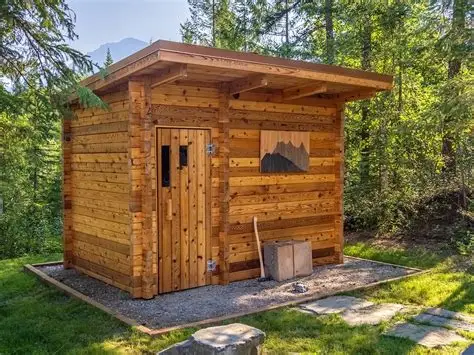
For centuries, saunas have been cherished as spaces for relaxation, detoxification, and rejuvenation. Among the various materials used in sauna construction, cedar stands out as a perennial favorite, celebrated for its unique properties and aesthetic appeal. A cedar sauna is not just a structure; it’s an experience, a sensory journey that combines therapeutic heat with the calming aroma of natural wood. This guide delves deep into the world of cedar saunas, exploring why they are so highly regarded, what makes them an excellent investment for your well-being, and how to choose and maintain one.
The choice of wood for a sauna is paramount, directly influencing the sauna’s performance, longevity, and the overall user experience. Cedar, particularly Western Red Cedar, offers a remarkable combination of characteristics that make it ideally suited for the high-heat, high-humidity environment of a sauna. Its natural resistance to decay, pleasant scent, and stability under extreme conditions contribute to its enduring popularity. Let’s explore the multifaceted benefits and practical considerations of integrating a cedar sauna into your lifestyle.
Why Choose Cedar for Your Sauna? Unpacking the Benefits
The preference for cedar in sauna construction is rooted in a multitude of advantages that go beyond mere aesthetics. Understanding these benefits can help you appreciate the value a cedar sauna brings.
Natural Aromatic Qualities
One of the most immediate and delightful aspects of a cedar sauna is its distinctive aroma. Western Red Cedar releases a subtle, soothing fragrance when heated, often described as warm, earthy, and slightly sweet. This natural aromatherapy enhances the sauna experience, promoting relaxation and a sense of calm. Unlike artificial fragrances, cedar’s scent is organic and non-irritating, contributing to a truly holistic wellness session. The aroma is also known to be long-lasting, providing enjoyment for many years.
Exceptional Durability and Longevity
Cedar is naturally rich in thujaplicins, a group of chemicals that act as natural preservatives. These compounds give cedar an inherent resistance to decay, rot, and insect infestation. This makes cedar an incredibly durable material, perfectly suited for the demanding conditions inside a sauna, where fluctuating temperatures and high humidity can take a toll on less robust woods. A well-constructed cedar sauna can last for decades with proper care, making it a sound long-term investment.
Superior Heat Resistance and Stability
Cedar has a low density and a high insulating value, meaning it absorbs and radiates heat efficiently without becoming excessively hot to the touch. This makes it comfortable to sit on and lean against, even during intense sauna sessions. Furthermore, cedar exhibits excellent dimensional stability; it resists warping, shrinking, and cracking even when exposed to repeated cycles of heating and cooling. This structural integrity is crucial for maintaining the airtightness and efficiency of the sauna cabin over time.
Resistance to Moisture and Fungi
The natural oils in cedar contribute to its impressive resistance to moisture absorption. This property, combined with its inherent antifungal and antibacterial characteristics, helps prevent the growth of mold and mildew within the sauna. This is vital for maintaining a hygienic environment and ensuring the longevity of the wood, especially in areas with high humidity.
Aesthetic Appeal and Visual Warmth
Beyond its practical advantages, cedar is simply beautiful. Its rich, varied grain patterns and warm reddish-brown hues create an inviting and luxurious atmosphere. Over time, cedar develops a beautiful patina, deepening its color and enhancing its character. The natural variations in tone within the wood add to its organic charm, making each cedar sauna unique.
Designing Your Cedar Sauna: Key Considerations
Creating the perfect cedar sauna involves thoughtful planning and attention to detail. From size to heating, every element contributes to the overall experience.
Indoor vs. Outdoor Cedar Saunas
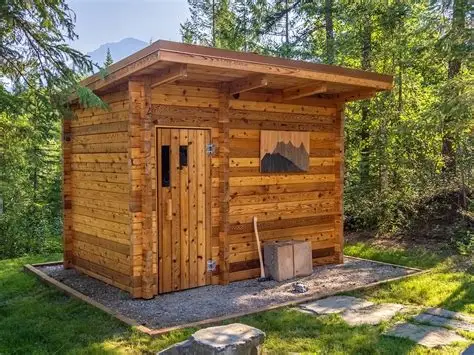
The first decision often revolves around location. Indoor cedar saunas can be integrated into existing bathrooms, basements, or dedicated wellness rooms. They offer convenience and protection from the elements. Outdoor cedar saunas, on the other hand, provide a unique connection to nature and can serve as a stunning focal point in a backyard or garden. Outdoor models typically require more robust construction and insulation to withstand varying weather conditions.
Size and Layout
Consider how many people will typically use the sauna at once. Sizes range from compact 1-person models to spacious designs accommodating six or more. The layout should allow for comfortable seating or reclining, with adequate clearance around the heater. Benches are usually tiered, with higher benches offering hotter temperatures. Ensure there’s enough room to safely enter, exit, and move around.
Heating Options for Cedar Saunas
The heart of any sauna is its heater. The primary options for cedar saunas are:
- Electric Heaters: The most common choice, electric heaters are convenient, quick to heat up, and require minimal maintenance. They come in various sizes and power outputs to match the sauna’s volume. Many modern electric heaters feature digital controls for precise temperature and timing.
- Wood-Burning Heaters: For a traditional and authentic experience, wood-burning heaters offer a rustic charm and the satisfying crackle of a fire. They require a chimney and proper ventilation but provide a unique, dry heat.
- Infrared Heaters: While not traditional saunas, infrared cabins are often built with cedar due to its aromatic and stability properties. Infrared heaters warm the body directly with radiant heat, rather than heating the air. They operate at lower temperatures and are known for deep tissue penetration benefits.
The choice of heater will significantly impact the sauna experience, so consider your preferences for heat type, convenience, and maintenance.
Ventilation and Airflow
Proper ventilation is crucial for a comfortable and healthy sauna environment. An intake vent, typically located near the heater, draws in fresh air, while an exhaust vent, usually on the opposite wall at a higher level, allows hot, stale air to escape. This creates a continuous flow of fresh air, preventing the air from becoming too heavy or stuffy and ensuring efficient heating.
Lighting and Accessories
Subtle, warm lighting can greatly enhance the ambiance of your cedar sauna. Options include LED strips, wall-mounted fixtures, or even fiber optic lighting. Essential accessories include a thermometer/hygrometer to monitor conditions, a bucket and ladle for adding water to hot stones (for electric or wood-burning saunas), headrests, backrests, and comfortable towels. Some saunas also incorporate sound systems or chromotherapy lighting for an even more immersive experience.
Installation and Construction Tips for Your Cedar Sauna
Whether you’re building a DIY cedar sauna or having one professionally installed, understanding the construction process is beneficial.
Foundation and Framing
For outdoor saunas, a level, stable foundation (concrete pad, deck, or gravel base) is essential. Indoor saunas can be built on existing floors. The framing should be robust, typically 2×4 or 2×6 lumber, to support the cedar paneling and insulation.
Insulation is Key
Effective insulation is critical for energy efficiency and maintaining consistent temperatures. Mineral wool or rigid foam insulation is commonly used in the walls and ceiling. A vapor barrier (such as foil-faced insulation or specialized sauna foil) is then applied over the insulation to prevent moisture from entering the wall cavities, protecting the framing and insulation from rot and mold.
Cedar Paneling and Bench Construction
Cedar tongue-and-groove boards are the standard for interior sauna walls and ceiling. They fit together snugly, creating a tight seal. Benches are typically constructed from clear (knot-free) cedar for comfort and aesthetics. Use stainless steel fasteners throughout the sauna to prevent corrosion and staining from the heat and humidity.
Door and Window Considerations
Sauna doors should be solid wood or tempered glass, designed to open outwards for safety. No locks should be installed on the inside. If including a window, ensure it is made of tempered, heat-resistant glass and properly sealed to prevent heat loss.
Maintaining Your Cedar Sauna for Longevity and Hygiene
Proper care and maintenance are essential to preserve the beauty, functionality, and hygiene of your cedar sauna for many years.
Regular Cleaning Practices
After each use, allow the sauna to cool down and air out. This helps dissipate moisture and prevents the growth of mold and mildew. Wipe down benches and walls with a clean cloth. Periodically, a deeper clean is recommended. Use a mild, non-toxic cleaner specifically designed for saunas or a solution of mild soap and water. Avoid harsh chemicals, bleach, or abrasive cleaners, as these can damage the cedar and release unpleasant fumes when heated.
Addressing Stains and Discoloration
Over time, cedar wood may darken or develop water stains, especially on benches where sweat accumulates. Light sanding with fine-grit sandpaper can often remove surface stains and restore the wood’s original appearance. For persistent stains, specialized wood cleaners or a very dilute hydrogen peroxide solution can be used, followed by thorough rinsing and drying. Always test any cleaning solution on an inconspicuous area first.
Ventilation and Airflow Management
Ensure that the sauna’s ventilation system is always clear and unobstructed. After each session, leave the sauna door slightly ajar and the vents open to promote air circulation and allow the interior to dry completely. This is perhaps the most crucial step in preventing mold and maintaining a fresh scent.
Inspecting for Wear and Tear
Periodically inspect the cedar paneling, benches, and heater for any signs of wear, cracking, or loose components. Tighten any loose screws on benches or door hinges. Address any damage promptly to prevent further issues and ensure safety. Check the condition of the sauna heater and stones according to the manufacturer’s recommendations.
Avoiding Sealants and Varnishes
It is generally recommended not to apply sealants, varnishes, or paints to the interior surfaces of a cedar sauna. These coatings can trap heat, release harmful fumes when heated, and prevent the wood from breathing naturally. Cedar’s natural resistance to moisture and decay makes such treatments unnecessary. If you wish to protect the benches from sweat, consider using removable towels or specialized, non-toxic, breathable sauna wood oil on the benches only, applied sparingly and infrequently.
The Health and Wellness Benefits of a Cedar Sauna
Beyond the sensory pleasure, regular sessions in a cedar sauna offer a wealth of scientifically supported health benefits.
Detoxification Through Sweating
The intense heat of a sauna induces profuse sweating, which is the body’s natural way of expelling toxins. This process helps cleanse the skin, open pores, and eliminate heavy metals and other impurities that accumulate in the body. Regular sweating can contribute to overall detoxification and a feeling of revitalization.
Improved Cardiovascular Health
Sauna use mimics the effects of moderate exercise on the cardiovascular system. The heat causes blood vessels to dilate, increasing heart rate and blood flow to the skin and muscles. Studies have shown that regular sauna bathing can improve endothelial function, lower blood pressure, and reduce the risk of cardiovascular disease. It’s often referred to as a ‘passive workout’ for the heart.
Muscle Relaxation and Pain Relief
The heat from a sauna penetrates deep into muscle tissue, promoting relaxation and alleviating tension. This can be particularly beneficial for individuals experiencing muscle soreness, stiffness, or chronic pain conditions like arthritis or fibromyalgia. Increased blood circulation helps deliver oxygen and nutrients to tired muscles, aiding in recovery after physical exertion.
Stress Reduction and Mental Well-being
The quiet, warm, and aromatic environment of a cedar sauna is an ideal setting for stress reduction. The heat promotes the release of endorphins, the body’s natural feel-good hormones, leading to a sense of calm and euphoria. Taking time out for a sauna session can help clear the mind, reduce anxiety, and improve sleep quality, contributing significantly to mental well-being.
Enhanced Skin Health
Sweating in a sauna opens up pores and flushes out dirt, oil, and dead skin cells. This deep cleansing action can improve skin clarity, tone, and texture. Increased blood flow to the skin also brings vital nutrients to the surface, contributing to a healthy, radiant glow.
Immune System Support
Exposure to the heat of a sauna can stimulate the production of white blood cells, which are crucial for fighting off infections and diseases. Regular sauna use may help strengthen the immune system, making the body more resilient to common colds and other illnesses.
Choosing the Right Cedar for Your Sauna
While various types of cedar exist, Western Red Cedar is overwhelmingly the preferred choice for sauna construction due to its specific properties.
Western Red Cedar (Thuja plicata)
This is the gold standard for saunas. It grows primarily in the Pacific Northwest of North America. Its key characteristics include:
- Aroma: Distinctive, long-lasting, and pleasant.
- Durability: High natural resistance to rot, decay, and insects due to thujaplicins.
- Stability: Excellent dimensional stability, meaning it resists warping and cracking under heat and humidity.
- Insulation: Good insulating properties, making it efficient for retaining heat.
- Appearance: Rich, varied reddish-brown tones with fine, straight grain.
- Comfort: Low density keeps it comfortable to the touch even at high temperatures.
Clear vs. Knotty Cedar
When selecting cedar lumber, you’ll often encounter options for ‘clear’ or ‘knotty’ grades:
- Clear Cedar: This grade is free of knots and blemishes, offering a uniform, smooth appearance. It is typically more expensive but preferred for sauna benches where comfort and a pristine look are desired.
- Knotty Cedar: This grade contains knots, which add a rustic character and can be more affordable. While acceptable for walls and ceilings, knots can sometimes contain sap that may ooze when heated, or they can fall out over time, creating small holes. For this reason, clear cedar is often preferred for interior surfaces where direct body contact occurs.
Other Cedar Varieties
While less common for commercial saunas, other cedar types exist:
- Eastern Aromatic Red Cedar (Juniperus virginiana): Known for its strong, moth-repelling aroma, this cedar is often used for cedar chests and closets. Its scent can be overpowering in a sauna, and it tends to be knottier and less dimensionally stable than Western Red Cedar for sauna applications.
- Alaskan Yellow Cedar (Cupressus nootkatensis): This cedar is very durable and stable, with a subtle, pleasant aroma and a pale yellow color. It is an excellent choice for saunas but can be less readily available and more expensive than Western Red Cedar.
For the optimal cedar sauna experience, Western Red Cedar is generally the recommended choice, balancing quality, availability, and cost.
The Environmental Aspect of Cedar Saunas
Beyond personal benefits, choosing a cedar sauna can also align with environmental values.
Sustainable Sourcing
Reputable cedar suppliers often source their wood from sustainably managed forests. Western Red Cedar is a renewable resource, and many logging operations are certified by organizations like the Forest Stewardship Council (FSC), ensuring responsible forestry practices that protect biodiversity and forest ecosystems. Inquiring about the sourcing of the cedar can confirm its environmental credentials.
Natural and Non-Toxic
Cedar is a natural material, free from the synthetic chemicals and volatile organic compounds (VOCs) that can be found in some engineered wood products or finishes. This means a cedar sauna contributes to a healthier indoor air quality, which is particularly important in a heated environment where off-gassing can occur. The natural preservation properties of cedar also reduce the need for chemical treatments.
Energy Efficiency
The excellent insulating properties of cedar, combined with proper construction and insulation, contribute to the energy efficiency of the sauna. An efficient sauna heats up faster and retains heat longer, reducing energy consumption over its lifespan. This not only lowers operating costs but also reduces the environmental footprint associated with energy use.
Longevity and Reduced Waste
The inherent durability and resistance to decay of cedar mean that a cedar sauna has a very long lifespan. This longevity reduces the need for frequent replacement and minimizes waste. At the end of its life, cedar is also a biodegradable material, further reducing its environmental impact.
A cedar sauna represents a harmonious blend of nature’s finest materials and human ingenuity, crafted to create a space that nurtures both body and mind. The enduring appeal of cedar lies in its unique combination of aromatic charm, robust durability, and therapeutic warmth. Investing in a cedar sauna is an investment in a timeless tradition of wellness, promising countless hours of relaxation, detoxification, and rejuvenation. With proper design, installation, and diligent care, your cedar sauna will be a cherished sanctuary for decades to come, bringing the serene beauty and profound health benefits of this remarkable wood into your daily life.
Leave a Reply