
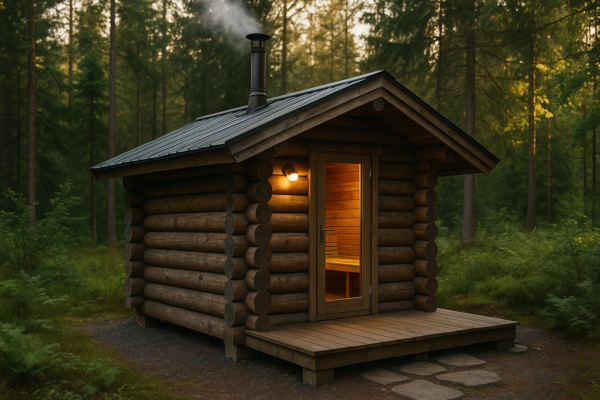
Imagine a tranquil escape nestled in your backyard, a haven of warmth and serenity awaiting you after a long day. This isn’t just a dream; it’s the reality offered by a well-designed cabin sauna. More than just a luxury, a sauna can be a cornerstone of a healthy lifestyle, providing a multitude of physical and mental benefits. From ancient traditions to modern wellness trends, the allure of the sauna has endured, evolving into an accessible and cherished addition to homes worldwide. This guide will delve into everything you need to know about bringing the revitalizing power of a cabin sauna into your life.
The concept of heat therapy for relaxation and health is millennia old, with various cultures developing their own unique versions. The Finnish sauna, however, is arguably the most globally recognized and influential. A cabin sauna brings this rich tradition directly to you, offering a private sanctuary where you can unwind, detoxify, and rejuvenate. Whether you’re considering a traditional wood-fired model or a modern electric infrared unit, understanding the myriad options and considerations is key to making an informed decision that perfectly suits your needs and lifestyle.
The Enduring Appeal and Benefits of a Cabin Sauna
The popularity of saunas isn’t just a passing fad; it’s rooted in tangible benefits that contribute significantly to overall well-being. Regular sauna use can be a powerful tool for enhancing both physical and mental health. Let’s explore some of the key advantages:
Stress Reduction and Mental Clarity
- Deep Relaxation: The warm, enveloping heat of a cabin sauna promotes muscle relaxation and calms the nervous system, effectively melting away daily stresses.
- Improved Sleep: Many users report enhanced sleep quality due to the body’s natural cooling process after a sauna session, which mimics the physiological changes that occur before bedtime.
- Mental Detox: The quiet, isolated environment of a sauna provides a perfect opportunity for mindfulness, meditation, and a mental break from external stimuli.
Physical Health Enhancements
- Detoxification: Sweating is one of the body’s natural ways to eliminate toxins. Saunas induce profuse sweating, helping to cleanse the skin and pores.
- Improved Circulation: The heat causes blood vessels to dilate, increasing blood flow throughout the body. This can benefit cardiovascular health and help deliver oxygen and nutrients to tissues.
- Muscle Recovery and Pain Relief: Athletes often use saunas to soothe sore muscles and reduce post-exercise pain, as the heat helps to relax muscle tissue and improve flexibility.
- Skin Health: Increased blood flow to the skin and deep sweating can contribute to a healthy glow and clearer complexion.
- Immune System Support: Some studies suggest that regular sauna use may help boost the immune system by increasing the production of white blood cells.
Choosing Your Cabin Sauna: Types and Features
The world of cabin saunas offers a diverse range of options, each with its own characteristics and advantages. Understanding these differences is crucial for selecting the perfect sauna for your home.
Traditional Finnish Saunas
These are perhaps the most iconic saunas, characterized by their high temperatures (typically 150-195°F or 65-90°C) and low humidity. Water is often ladled over hot rocks (kiuas) to create a burst of steam (löyly), raising humidity temporarily and intensifying the heat sensation.
- Heating Element: Can be wood-fired (for an authentic, rustic experience and off-grid capabilities) or electric (for convenience and precise temperature control).
- Materials: Typically constructed from softwoods like cedar, spruce, or pine, known for their aromatic qualities and resistance to rot.
- Experience: Offers a deep, penetrating heat that many find incredibly purifying and relaxing.
Infrared Saunas
Unlike traditional saunas that heat the air, infrared saunas use infrared heaters to directly warm your body. This results in lower ambient air temperatures (typically 120-140°F or 49-60°C) but still induces a significant sweat.
- Heating Element: Uses ceramic, carbon, or metallic infrared emitters.
- Benefits: Often preferred by individuals who find traditional high temperatures too intense. The lower air temperature allows for longer sessions. Some proponents claim deeper tissue penetration.
- Energy Efficiency: Generally more energy-efficient than traditional saunas due to lower operating temperatures and faster heat-up times.
Steam Rooms vs. Saunas
While often grouped, steam rooms and saunas offer distinct experiences. Steam rooms operate at much lower temperatures (100-120°F or 38-49°C) but with nearly 100% humidity, creating a dense, misty environment. Saunas, conversely, are dry heat environments. Both offer health benefits, but the choice depends on personal preference for heat and humidity.
Key Features to Consider
- Size and Capacity: How many people will typically use the sauna? Cabin saunas range from single-person units to larger models accommodating six or more.
- Wood Type: Cedar is popular for its aroma and durability, while spruce and hemlock are often more budget-friendly.
- Heater Type and Power: Ensure the heater is appropriately sized for the sauna volume. Electric heaters require specific voltage and amperage.
- Ventilation: Proper airflow is crucial for comfort and sauna longevity.
- Lighting: Consider ambient lighting for a relaxing atmosphere, possibly with dimmable options.
- Accessories: Buckets and ladles, thermometers/hygrometers, headrests, and essential oil diffusers can enhance the experience.
- Bench Design: Comfortable, multi-level benches allow users to choose their preferred heat intensity.
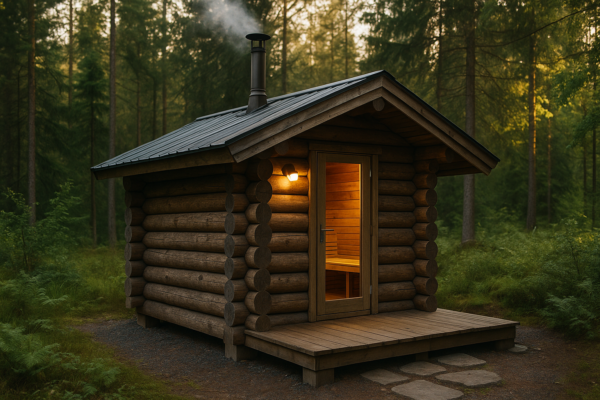
Planning and Installation: Bringing Your Cabin Sauna to Life
The journey to owning a cabin sauna involves careful planning and often professional installation. Here’s what you need to consider:
Location, Location, Location
- Outdoor vs. Indoor: Cabin saunas are typically designed for outdoor use, offering a more immersive, nature-connected experience. Ensure the chosen spot is level, has good drainage, and is accessible for utility connections.
- Proximity to Utilities: Electric saunas require a dedicated electrical circuit. Wood-fired saunas need proper ventilation for the chimney. Consider water access if you plan for a shower nearby or for pouring water over rocks.
- Privacy and Aesthetics: Choose a location that offers privacy and complements your existing landscape.
Foundation and Ground Preparation
A solid, level foundation is paramount for the longevity and safety of your cabin sauna. Options include:
- Concrete Slab: Durable and permanent, providing excellent stability.
- Gravel Pad: A more economical option, offering good drainage.
- Decking: Can be used if the existing deck is structurally sound and level.
Ensure the foundation elevates the sauna slightly to prevent moisture accumulation and rot.
Electrical Requirements
Electric saunas require dedicated circuits. Consult with a licensed electrician to determine the appropriate voltage (usually 240V for larger units) and amperage. Wiring should be heat-resistant and installed according to local building codes.
Ventilation and Airflow
Proper ventilation is critical for a healthy sauna environment. It allows fresh air to enter, expels stale air, and helps regulate humidity. Most cabin saunas come with pre-designed ventilation systems, but understanding their function is key.
DIY vs. Professional Installation
- DIY Kits: Many cabin saunas are sold as pre-fabricated kits with detailed instructions, making them suitable for experienced DIY enthusiasts.
- Professional Installation: For those less comfortable with construction or electrical work, hiring professionals ensures the sauna is built correctly, safely, and to code. This is often recommended for larger or more complex installations.
Maintenance and Care for Your Cabin Sauna
To ensure your cabin sauna remains a pristine sanctuary for years to come, regular maintenance is essential. Proper care not only extends its lifespan but also maintains its hygienic and aesthetic appeal.
Cleaning and Hygiene
- Wipe Down Surfaces: After each use, wipe down benches and walls with a clean cloth to remove sweat and moisture.
- Deep Clean Periodically: Every few months, or as needed, give the interior a thorough cleaning using a mild, non-toxic cleaner specifically designed for saunas. Avoid harsh chemicals that can damage the wood or leave residues.
- Sand Benches: Over time, benches can become stained or rough. Lightly sanding them with fine-grit sandpaper can restore their smooth finish.
- Ventilation Cleaning: Ensure air vents are clear of dust and debris to maintain optimal airflow.
Wood Care
The wood in your cabin sauna is exposed to significant temperature fluctuations and humidity. While most sauna woods are naturally durable, some care can prolong their life:
- Avoid Sealing Interior Wood: Generally, the interior wood of a traditional sauna should not be sealed or varnished, as this can prevent the wood from breathing and off-gas harmful fumes when heated.
- Exterior Protection: The exterior of an outdoor cabin sauna, however, can benefit from a protective stain or sealant to guard against weather elements like UV rays, rain, and snow.
Heater Maintenance
- Electric Heaters: Periodically check the heating elements for any signs of damage. Ensure the rocks are properly stacked and replace them if they start to crumble.
- Wood-Fired Heaters: Regularly clean out ash from the firebox. Inspect the chimney for creosote buildup and have it professionally cleaned as needed to prevent fire hazards.
Addressing Moisture and Pests
- Drainage: Ensure the area around your outdoor cabin sauna has good drainage to prevent water pooling at the base.
- Seals: Check door and window seals periodically for any gaps that could allow moisture or pests to enter.
- Pest Control: Keep the area around the sauna clear of debris and vegetation that could attract insects or rodents.
Optimizing Your Sauna Experience
Beyond the physical structure, the true magic of a cabin sauna lies in the experience. Here are tips to make each session as beneficial and enjoyable as possible:
Pre-Sauna Rituals
- Hydrate: Drink plenty of water before entering the sauna to prevent dehydration.
- Shower: A quick rinse before helps to cleanse the skin and prepare your body for the heat.
- Remove Jewelry: Metal can become very hot and cause burns.
- Listen to Your Body: If you’re feeling unwell, it’s best to skip the sauna.
During Your Session
- Duration: Start with shorter sessions (5-10 minutes) and gradually increase as your body adapts, typically up to 15-20 minutes.
- Positioning: Sitting on a lower bench provides less intense heat; moving to a higher bench increases the heat exposure.
- Löyly (for traditional saunas): Gently ladle water over the hot rocks to create steam. Start with small amounts.
- Relax: Use the time for quiet reflection, meditation, or simply enjoying the warmth.
Post-Sauna Cool Down
- Cool Shower or Dip: A cool shower or a plunge into cold water (if available) can be exhilarating, closing pores and stimulating circulation.
- Re-Hydrate: Continue to drink water or electrolyte-rich beverages to replenish fluids lost through sweating.
- Rest: Allow your body time to cool down and relax before resuming strenuous activities.
Enhancing the Ambiance
- Aromatherapy: A few drops of essential oils (like eucalyptus or lavender) in the water for the rocks (in traditional saunas) or in a diffuser can enhance relaxation.
- Music: Soft, calming music can further deepen the meditative experience.
- Towels: Use clean, comfortable towels for sitting and drying.
Safety Considerations for Your Cabin Sauna
While saunas offer numerous benefits, it’s crucial to prioritize safety to ensure a positive and healthy experience for everyone.
Health Precautions
- Consult Your Doctor: Individuals with certain health conditions (e.g., heart disease, high blood pressure, pregnancy) should consult a physician before using a sauna.
- Avoid Alcohol and Medications: Do not consume alcohol or take medications that impair sweating or alertness before or during sauna use.
- Dehydration: Always hydrate adequately before and after sessions.
- Overheating: If you feel dizzy, nauseous, or unwell, exit the sauna immediately.
Structural and Electrical Safety
- Proper Installation: Ensure all electrical work is done by a qualified electrician and adheres to local codes.
- Ventilation: Adequate ventilation prevents carbon monoxide buildup (in wood-fired saunas) and ensures fresh air circulation.
- Fire Safety: For wood-fired saunas, maintain proper clearances from combustible materials and regularly inspect the chimney.
- Child Safety: Supervise children closely and ensure they understand sauna safety rules.
A cabin sauna represents more than just an addition to your property; it’s an investment in your health, happiness, and overall quality of life. By understanding the types, benefits, installation requirements, and proper maintenance, you can create a personal oasis that offers countless hours of relaxation and rejuvenation. Embrace the warmth, the quiet, and the profound sense of well-being that a well-chosen and well-maintained cabin sauna can bring to your home.
Leave a Reply