
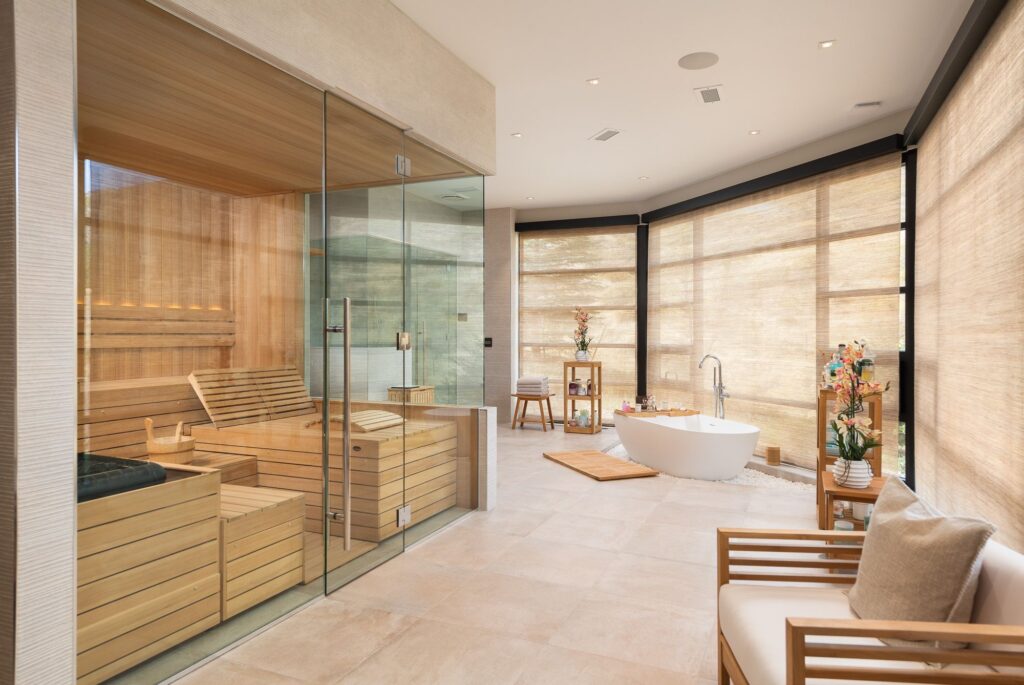
In an increasingly fast-paced world, finding moments of tranquility and rejuvenation is paramount. Among the most cherished sanctuaries for relaxation and healing, the spa sauna stands out. More than just a heated room, the sauna is a timeless ritual, a place where ancient traditions meet modern wellness, offering a profound escape from daily stressors and a pathway to holistic health. Its enduring appeal lies in its simplicity and effectiveness, providing a unique environment for both physical detoxification and mental clarity.
From the steamy embrace of a traditional Finnish sauna to the gentle warmth of an infrared cabin, the experience of a spa sauna is remarkably diverse, catering to individual preferences and health goals. This comprehensive exploration will take you through the fascinating history, various types, and extensive benefits of incorporating sauna sessions into your lifestyle. Prepare to uncover why the spa sauna continues to be a cornerstone of wellness practices worldwide, promising not just relaxation, but a genuine enhancement of your overall well-being. Spa Sauna
A Brief History and Cultural Significance of the Sauna
The concept of using heat for health and purification is not new; it spans millennia and cultures across the globe. However, the sauna as we know it today has its deepest roots in Finland, where it has been an integral part of life for over 2,000 years. Originally, saunas were dug into earth banks and used for various purposes, including bathing, healing, and even childbirth. The word ‘sauna’ itself is Finnish, and it is the only Finnish word to be widely adopted into the English language, a testament to its cultural impact. Spa Sauna
In Finnish culture, the sauna is not merely a place to get clean; it is a sacred space, a sanctuary for both body and mind. It embodies a philosophy of purity, respect, and community. Families would gather in the sauna, often daily, to cleanse, socialize, and unwind. This tradition highlights the profound connection between the physical act of sweating and the mental state of peace and belonging. The early saunas were wood-heated, with stones placed on top of the stove to retain heat. Water was then thrown onto these hot stones to create ‘löyly’ – the burst of steam that increases humidity and intensifies the heat experience.
Beyond Finland, other cultures developed similar practices. The Russian banya, the Turkish hammam, and the Native American sweat lodge all share the common thread of using heat and steam for purification and communal bonding. While their specific rituals and architectural styles differ, the underlying principle remains the same: harness the power of heat to cleanse, heal, and connect. This rich historical tapestry underscores the sauna’s universal appeal and its deep-seated role in human wellness traditions. Spa Sauna
Exploring the Diverse Types of Spa Saunas
The world of spa saunas is wonderfully varied, offering different experiences tailored to individual preferences and therapeutic needs. While the core principle of heat therapy remains constant, the methods of heat generation and the resulting environment can differ significantly. Understanding these distinctions is key to choosing the right sauna experience for you. Spa Sauna
Traditional Finnish Saunas (Dry Saunas)
- Heat Source: Electric or wood-burning heaters warm rocks, which radiate heat into the room.
- Temperature: Typically very high, ranging from 160°F to 200°F (70°C to 95°C).
- Humidity: Low, but can be increased by ladling water onto the hot stones to create steam (‘löyly’).
- Experience: Intense dry heat followed by bursts of steam. Known for deep sweating and a powerful detoxification experience. Many users enjoy alternating between hot sessions and cold plunges or showers.
Steam Rooms (Turkish Hammams)
- Heat Source: A generator boils water to produce steam, which is then released into the room.
- Temperature: Lower than dry saunas, usually between 100°F and 120°F (38°C to 49°C).
- Humidity: Very high, often 100%.
- Experience: A moist, enveloping heat that feels less intense on the skin than dry heat. Excellent for respiratory benefits, skin hydration, and muscle relaxation. The high humidity can make breathing easier for some individuals.
Infrared Saunas
- Heat Source: Infrared heaters emit light waves that penetrate the body directly, rather than heating the air around you.
- Temperature: Lower than traditional saunas, typically 120°F to 150°F (49°C to 66°C).
- Humidity: Low.
- Experience: A gentle, deeply penetrating heat that induces a significant sweat at lower ambient temperatures. Often preferred by those who find traditional saunas too intense. The direct heating of the body is believed to offer unique therapeutic benefits, reaching deeper into tissues and muscles.
Bio Saunas (Soft Saunas)
- Heat Source: A combination of a traditional heater and a humidifier, or a specialized bio-heater.
- Temperature: Moderate, usually 120°F to 140°F (49°C to 60°C).
- Humidity: Moderate, higher than a dry sauna but lower than a steam room.
- Experience: A milder, more humid heat than a traditional sauna, often infused with aromatherapy. Considered a gentler option, suitable for longer sessions and for those new to sauna use or sensitive to very high temperatures.
Each type of spa sauna offers a distinct sensory journey and a unique set of benefits. Many modern spas incorporate several of these options, allowing visitors to choose the experience that best aligns with their comfort level and wellness goals.
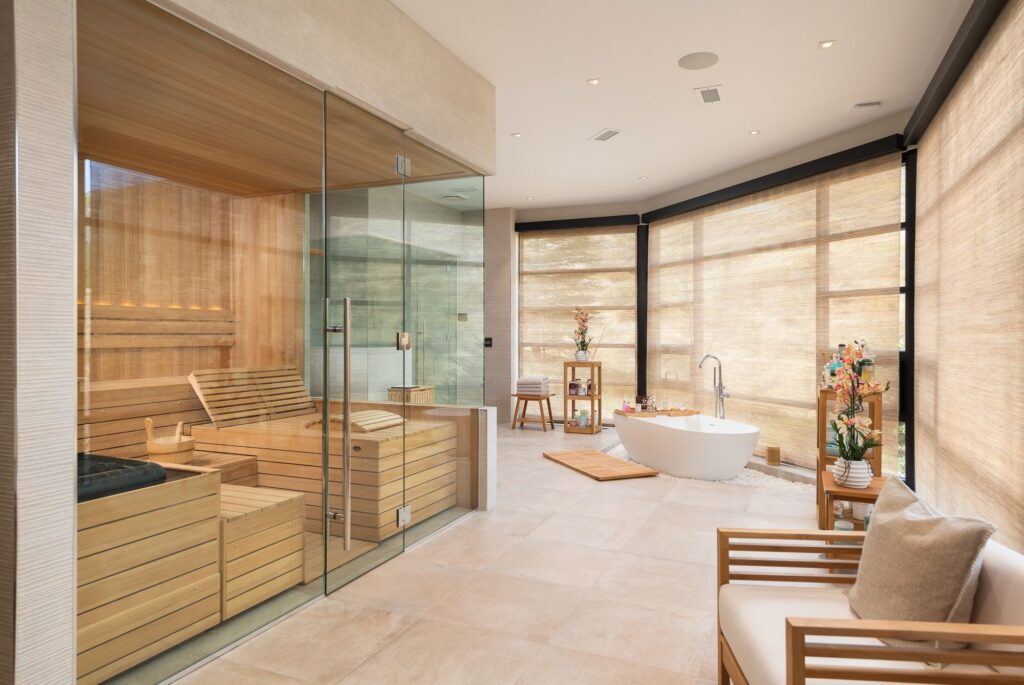
The Myriad Health Benefits of Regular Spa Sauna Use
Beyond the immediate feelings of relaxation and warmth, regular use of a spa sauna offers an impressive array of scientifically supported health benefits. Integrating sauna sessions into your routine can contribute significantly to both physical and mental well-being. Spa Sauna
Cardiovascular Health Enhancement
Perhaps one of the most extensively studied benefits of sauna use is its positive impact on cardiovascular health. When you enter a sauna, your heart rate increases, and your blood vessels dilate, mimicking the effects of moderate exercise. This improves circulation and reduces arterial stiffness. Regular sauna bathing has been linked to:
- Lowered Blood Pressure: Studies have shown that consistent sauna use can help reduce elevated blood pressure.
- Improved Endothelial Function: The heat stress helps improve the function of the inner lining of blood vessels, contributing to better cardiovascular health.
- Reduced Risk of Cardiovascular Disease: Long-term studies, particularly from Finland, indicate that frequent sauna use is associated with a significantly lower risk of sudden cardiac death, fatal coronary heart disease, and other cardiovascular events. Spa Sauna
Detoxification Through Sweating
Sweating is the body’s natural way of eliminating toxins, and a spa sauna provides an ideal environment for this process. While the primary function of sweat is thermoregulation, it also plays a role in expelling various compounds, including heavy metals (like lead, cadmium, and mercury), phthalates, and BPA. The deep, profuse sweating induced by a sauna session can therefore aid in:
- Eliminating Environmental Toxins: Helping the body purge substances absorbed from food, water, and the environment.
- Kidney Support: By assisting the body in expelling waste products, saunas can reduce the burden on the kidneys.
Muscle Relaxation and Pain Relief
The heat from a sauna penetrates deep into muscle tissues, promoting relaxation and alleviating tension. This makes it an excellent recovery tool for athletes and anyone experiencing muscle stiffness or chronic pain. Spa Sauna
- Reduced Muscle Soreness: Heat helps increase blood flow to muscles, aiding in the repair process and reducing post-exercise soreness.
- Relief from Joint Pain: For individuals with conditions like arthritis or fibromyalgia, the warmth can soothe painful joints and improve flexibility.
- Improved Flexibility: Relaxed muscles are more pliable, potentially leading to an increase in range of motion.
Stress Reduction and Mental Well-being
In our demanding lives, stress is a pervasive issue. The spa sauna offers a sanctuary for mental decompression, promoting a profound sense of calm and well-being.
- Endorphin Release: The heat stimulates the release of endorphins, the body’s natural feel-good hormones, which can alleviate pain and induce a sense of euphoria.
- Improved Sleep Quality: The deep relaxation achieved in a sauna can lead to more restful and restorative sleep.
- Reduced Anxiety and Depression: Regular sauna use has been associated with a decrease in symptoms of anxiety and mild depression, likely due to the combination of physiological and psychological benefits.
- Enhanced Cognitive Function: Some research suggests that heat stress can promote the production of brain-derived neurotrophic factor (BDNF), which supports the growth of new brain cells and improves cognitive function.
Skin Health and Rejuvenation
While often overlooked, the benefits of a sauna extend to the largest organ of your body – your skin.
- Deep Cleansing: The increased blood circulation and profuse sweating help to open pores, flush out impurities, and remove dead skin cells.
- Improved Complexion: Regular sauna use can leave the skin looking clearer, healthier, and with a natural glow.
- Enhanced Collagen Production: Some theories suggest that heat stress can stimulate collagen production, which is vital for skin elasticity and reducing the appearance of wrinkles.
Immune System Support
Regular exposure to the heat of a sauna can also give your immune system a beneficial boost.
- Increased White Blood Cell Production: The heat can stimulate the production of white blood cells, which are crucial for fighting off infections.
- Improved Circulation of Immune Cells: Enhanced blood flow ensures that immune cells can be more effectively transported throughout the body.
- Reduced Frequency of Colds and Flu: Some studies suggest that consistent sauna use may lead to a lower incidence of common respiratory illnesses.
The holistic benefits of a spa sauna make it a powerful tool for maintaining and enhancing overall health. However, it is crucial to approach sauna use mindfully and responsibly.
Best Practices for a Safe and Enjoyable Spa Sauna Experience
To maximize the benefits and ensure a safe and enjoyable experience in a spa sauna, it’s important to follow a few guidelines. These practices will help you get the most out of your session while minimizing any potential risks.
Hydration is Key
You will sweat profusely in a sauna, losing significant amounts of fluid. Proper hydration before, during, and after your session is critical to prevent dehydration.
- Before: Drink 2-4 glasses of water or electrolyte-rich beverages before entering the sauna.
- During: While not always practical to drink inside, keep a bottle of water nearby for quick sips if you feel lightheaded.
- After: Rehydrate thoroughly with water, coconut water, or sports drinks to replenish lost fluids and electrolytes.
Listen to Your Body
Everyone’s tolerance to heat is different. It’s essential to pay attention to your body’s signals and avoid overdoing it.
- Start Slow: If you’re new to saunas, begin with shorter sessions (5-10 minutes) and gradually increase the duration as your body adjusts.
- Duration: Most sessions range from 10-20 minutes. Prolonged exposure can lead to dehydration or heat exhaustion.
- Exit if Uncomfortable: If you feel dizzy, lightheaded, nauseous, or experience any discomfort, exit the sauna immediately.
Pre-Sauna Preparation
- Shower First: A quick shower before entering helps cleanse your skin and prepares your body for the heat.
- Remove Jewelry: Metal can get very hot and cause burns.
- Wear Loose Clothing or Towel: Opt for minimal, loose-fitting clothing or simply wrap yourself in a towel.
- Avoid Heavy Meals: A heavy meal right before a sauna can cause stomach discomfort.
During Your Session
- Relax: This is your time to unwind. Close your eyes, meditate, or simply enjoy the quiet.
- Consider Aromatherapy: Some saunas allow for essential oils (e.g., eucalyptus, lavender) to enhance the experience, but always check with the spa staff first.
- Vary Your Position: Sitting on a lower bench will expose you to less intense heat than a higher bench.
Post-Sauna Cool Down
A proper cool-down period is just as important as the sauna session itself.
- Cool Shower or Plunge: A cold shower or a dip in a cold plunge pool can be invigorating, helping to close pores, stimulate circulation, and further enhance the cardiovascular benefits.
- Rest: Allow your body time to cool down and recover in a comfortable, quiet space.
- Moisturize: After showering, moisturize your skin to lock in hydration.
Who Should Exercise Caution?
While saunas are generally safe for most healthy individuals, certain groups should exercise caution or consult a doctor before use:
- Pregnant Women: High temperatures can be risky during pregnancy.
- Individuals with Heart Conditions: Those with unstable angina, recent heart attack, or severe heart failure should avoid saunas unless cleared by a physician.
- People with Low Blood Pressure: The heat can further lower blood pressure, potentially causing dizziness.
- Those on Certain Medications: Some medications can affect your body’s ability to regulate temperature or increase the risk of dehydration.
- Children: Children have a lower tolerance for heat and should only use saunas under strict supervision and for very short periods.
By adhering to these guidelines, you can ensure that your spa sauna experience is not only deeply relaxing but also safe and beneficial for your health.
Integrating Spa Sauna into Your Wellness Routine
Making the spa sauna a regular part of your wellness regimen can yield profound and lasting benefits. The key is consistency and finding a rhythm that works for you. Here’s how you can effectively integrate sauna use into your lifestyle.
Frequency and Timing
There is no one-size-fits-all answer for how often to use a sauna, as it depends on individual health, preferences, and goals. However, general recommendations and observations from frequent users suggest:
- For General Wellness: 2-3 times per week is a common and effective frequency for maintaining overall health benefits.
- For Specific Health Goals: Some studies on cardiovascular benefits suggest 4-7 times per week for optimal results, though this may not be feasible or necessary for everyone.
- Listen to Your Body: If you feel fatigued or unwell after a session, consider reducing the frequency or duration.
- Timing: Many enjoy saunas in the evening to promote relaxation and improve sleep. Others prefer morning sessions for an invigorating start to the day. Post-workout sauna sessions are excellent for muscle recovery.
Complementary Wellness Practices
The benefits of a spa sauna can be amplified when combined with other wellness practices:
- Mindfulness and Meditation: The quiet, warm environment of a sauna is ideal for mindfulness exercises or meditation. Focus on your breath, the sensation of heat, and let go of external distractions.
- Stretching and Gentle Movement: Light stretching before or after a sauna session can enhance muscle flexibility and relaxation.
- Hydration with Infused Water: Beyond plain water, consider adding slices of cucumber, lemon, or mint to your water for added flavor and electrolytes.
- Aromatherapy: If the spa allows, a few drops of essential oils like lavender for relaxation or eucalyptus for respiratory benefits can enhance the experience.
- Post-Sauna Skincare: After cooling down and showering, applying a nourishing moisturizer or body oil can help maintain skin hydration and softness.
Creating a Ritual
Transforming sauna use from an occasional activity into a cherished ritual can significantly enhance its effectiveness as a wellness tool. Consider:
- Designated Sauna Days: Schedule your sauna sessions in advance, treating them as non-negotiable appointments for self-care.
- Pre-Sauna Prep: Establish a routine that prepares you for your session, such as a light stretching routine, a brief meditation, or preparing your hydration.
- Post-Sauna Wind-Down: Dedicate time after your sauna for a cool-down, rehydration, and perhaps some light reading or journaling to extend the state of relaxation.
- Journaling: Reflect on how you feel before and after your sauna sessions. This can help you identify patterns and appreciate the improvements in your well-being.
By thoughtfully integrating the spa sauna into your life, you are not just engaging in a physical activity; you are cultivating a powerful practice of self-care that nurtures both your body and your mind, contributing to a more balanced and vibrant existence.
Embracing the Timeless Tradition of the Spa Sauna
The journey through the world of the spa sauna reveals a practice rich in history, diverse in its forms, and profound in its benefits. From the ancient earth-dug pits of Finland to the sophisticated infrared cabins of modern wellness centers, the core essence of the sauna remains constant: a haven of heat designed to cleanse, heal, and restore. We’ve explored how different types of saunas cater to varied preferences, all while delivering remarkable advantages for cardiovascular health, detoxification, muscle recovery, stress reduction, and overall vitality.
Embracing regular spa sauna use is more than just a trend; it’s an investment in your long-term health and well-being. By understanding the best practices for safe and effective use, and by mindfully integrating this timeless tradition into your personal wellness routine, you unlock a powerful tool for rejuvenation. The warmth of the sauna offers not only a physical escape but also a mental reset, allowing you to shed the burdens of daily life and emerge refreshed, revitalized, and ready to face the world with renewed energy. Allow the gentle embrace of the spa sauna to guide you on your path to holistic wellness.
Leave a Reply