
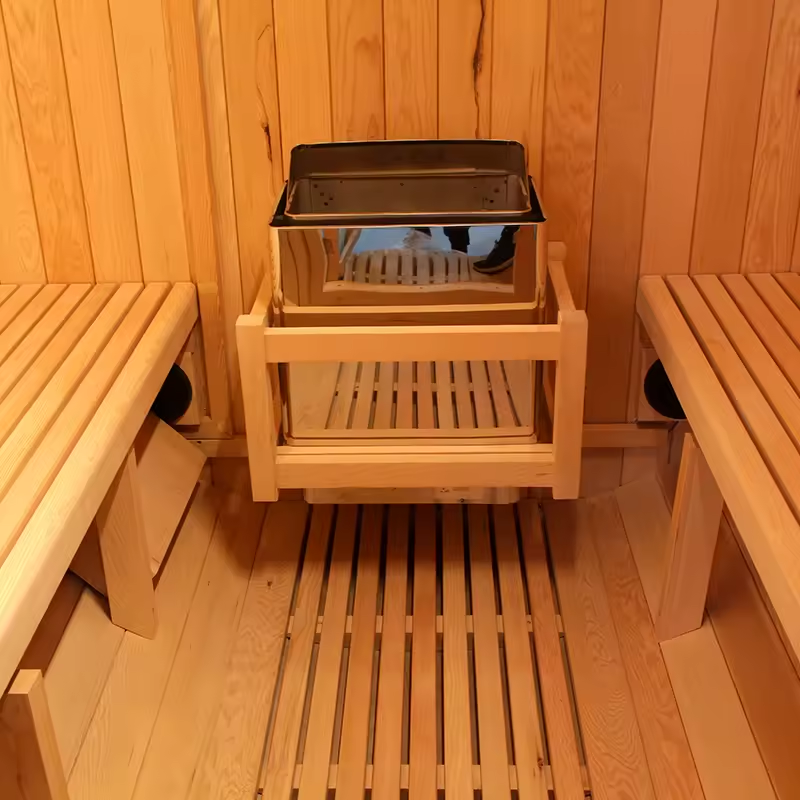
The tranquil warmth and therapeutic benefits of a sauna are highly sought after. However, to fully enjoy this experience, safety must always be a top priority. A often-overlooked yet crucial element in ensuring a safe sauna environment is the sauna guard. This protective barrier, typically installed around the sauna heater, plays a vital role in preventing accidental contact with hot surfaces and contributing to the overall longevity of your sauna’s interior.
Understanding the different types of sauna guards, their installation, and maintenance is essential for any sauna owner. Whether you’re building a new sauna or upgrading an existing one, investing in a high-quality sauna guard is a decision that enhances both safety and the aesthetic appeal of your personal wellness retreat.
What is a Sauna Guard and Why is it Essential?
A sauna guard, also known as a heater guard or heater fence, is a protective barrier designed to be placed around the sauna heater. Its primary purpose is to prevent direct contact with the hot surfaces of the heater and the sauna stones. Sauna heaters, especially electric and wood-burning models, can reach extremely high temperatures, posing a significant burn risk if accidentally touched.
Beyond immediate safety, a sauna guard also offers several other benefits:
- Prevents Accidental Contact: This is the most obvious and critical benefit. In the confined space of a sauna, it’s easy to accidentally brush against the heater, especially when entering, exiting, or adjusting your position. A guard creates a safe zone.
- Protects Children and Pets: If children or pets have access to the sauna area, a guard is indispensable for their protection against severe burns.
- Enhances Heater Longevity: While not its primary function, a guard can indirectly protect the heater from being bumped or damaged by sauna accessories or users, potentially extending its operational life.
- Aesthetic Integration: Modern sauna guards are designed to complement the sauna’s interior, often crafted from matching wood to blend seamlessly with the benches and walls.
- Compliance with Regulations: In some regions or for commercial saunas, installing a sauna guard may be a regulatory requirement to meet safety standards.
The importance of a sauna guard cannot be overstated. It transforms a potential hazard into a safe and worry-free zone, allowing users to fully relax and enjoy the therapeutic heat.
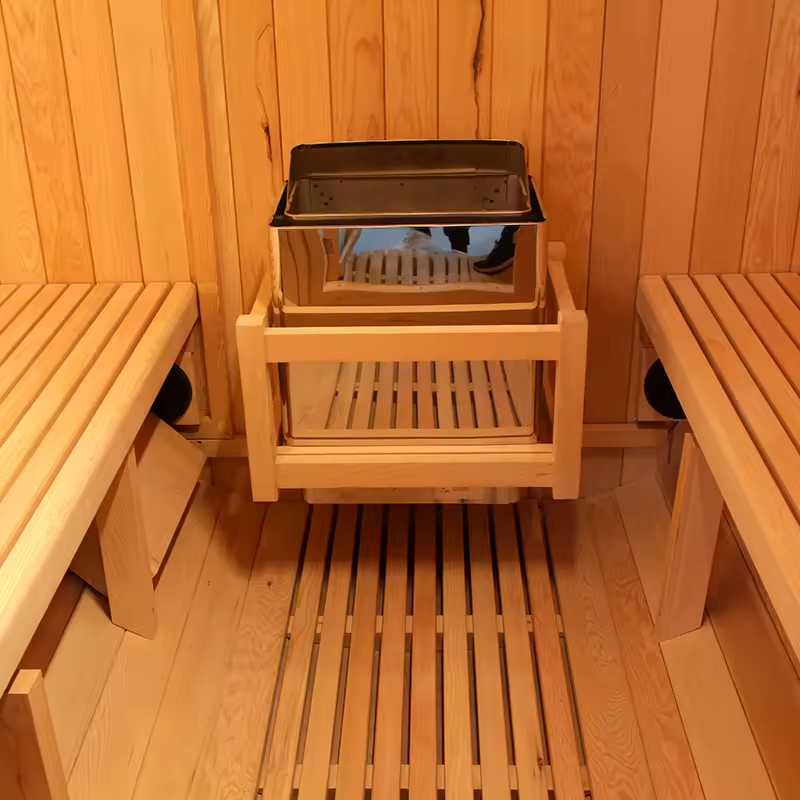
Types of Sauna Guards: Materials and Designs
Sauna guards come in various materials and designs, each offering distinct advantages in terms of aesthetics, durability, and installation. The choice often depends on the sauna’s existing décor, the type of heater, and personal preferences.
Wooden Sauna Guards
The most common and traditional type of sauna guard is made from wood. These guards are typically constructed from the same type of wood used for the sauna interior, such as cedar, aspen, or spruce. This ensures a cohesive and natural look.
- Cedar: Highly popular for its aromatic properties, resistance to rot and insects, and beautiful grain. Cedar sauna guards are durable and visually appealing.
- Aspen: A lighter-colored wood, aspen is non-allergenic and does not splinter easily, making it a comfortable and safe choice for sauna interiors and guards.
- Spruce: Often more economical, spruce is a good option for those seeking a functional and aesthetically pleasing guard without a higher cost.
Wooden guards are usually slatted, allowing for proper airflow around the heater while still providing a physical barrier. They can be wall-mounted or freestanding, depending on the heater’s design and the sauna’s layout. Custom wooden guards can also be crafted to perfectly fit unique sauna designs.
Metal Sauna Guards
While less common than wooden guards in traditional saunas, metal sauna guards are sometimes used, particularly with more modern or industrial sauna designs. These are typically made from stainless steel or powder-coated aluminum, offering high durability and heat resistance.
- Stainless Steel: Extremely robust and resistant to corrosion, stainless steel guards are very long-lasting. They offer a sleek, contemporary look.
- Powder-Coated Aluminum: Lighter than stainless steel, aluminum guards can be coated in various colors to match specific design aesthetics. They are also corrosion-resistant.
Metal guards are often found in commercial saunas or those with a very modern aesthetic. They provide a strong barrier but may not offer the same traditional warmth as wood.
Combination Guards
Some sauna guards combine materials, such as a wooden frame with metal mesh inserts. These can offer the best of both worlds: the natural feel of wood with the added strength and open design of metal. This can be particularly useful in maintaining airflow while still providing robust protection.
Installation and Placement Considerations for Your Sauna Guard
Proper installation and strategic placement of your sauna guard are crucial for its effectiveness. A poorly installed guard can be ineffective or even create new hazards. Always refer to the manufacturer’s instructions for your specific heater and guard model.
Measuring and Sizing
Before purchasing or constructing a sauna guard, accurate measurements are essential. You need to consider:
- Heater Dimensions: Measure the width, depth, and height of your sauna heater.
- Clearance Requirements: Sauna heaters have specific minimum clearance requirements from walls and combustible materials. The guard must be installed outside of these clearances to allow for proper heat dissipation and prevent fire hazards. Typically, there should be a minimum of 2-4 inches between the heater and the guard.
- Sauna Room Layout: Consider the flow of traffic in the sauna. The guard should not impede movement or make it difficult to access benches.
Mounting Options
Sauna guards can be mounted in several ways:
- Wall-Mounted: Many guards attach directly to the sauna walls, forming a perimeter around the heater. This is a common and sturdy option. Ensure the mounting hardware is heat-resistant and appropriate for sauna environments.
- Floor-Mounted/Freestanding: Some guards have legs that rest on the floor, or they may be designed to stand independently. These are often used when wall mounting is not feasible or desired.
- Bench-Integrated: In some custom sauna designs, the guard may be integrated directly into the sauna bench structure, providing a seamless look.
Key Installation Tips
- Use Appropriate Materials: Ensure all fasteners (screws, nails) are made of stainless steel or other corrosion-resistant materials to prevent rust in the humid sauna environment.
- Maintain Airflow: The design of the guard should allow for adequate airflow around the heater to prevent overheating and ensure efficient heat distribution.
- Sturdy Construction: The guard must be robust enough to withstand accidental bumps without collapsing or dislodging.
- Smooth Edges: All surfaces and edges of the guard should be sanded smooth to prevent splinters or cuts.
- Accessibility for Maintenance: While providing protection, the guard should not make it impossible to access the heater for maintenance, cleaning, or adding sauna stones. Some guards have removable sections or hinged designs.
If you are unsure about installation, it is always recommended to consult with a professional sauna installer or a qualified carpenter.
Safety Standards and Regulations for Sauna Guards
Adherence to safety standards and local building codes is paramount when installing a sauna. While specific regulations can vary by region and country, several general principles apply to sauna guards.
Manufacturer Guidelines
Always prioritize the heater manufacturer’s guidelines. They will specify minimum clearances, recommended guard types, and any other safety precautions specific to their product. Deviating from these guidelines can void warranties and, more importantly, create dangerous conditions.
Electrical Safety
For electric sauna heaters, ensure that the guard does not interfere with electrical connections or ventilation systems. The guard should not trap heat in a way that could cause electrical components to overheat. If the guard is made of metal, it must be properly grounded if there is any risk of it coming into contact with live electrical parts.
Fire Safety
The primary fire safety concern relates to combustible materials (like wood guards) being too close to the hot heater. Always maintain the minimum specified clearances. Good ventilation within the sauna also contributes to fire safety by preventing excessive heat buildup.
Child Safety
If children will be using or accessing the sauna area, the guard should be designed to prevent them from reaching through or climbing over it. The spacing between slats should be small enough to prevent small limbs from passing through.
Commercial vs. Residential
Commercial saunas often have stricter safety regulations due to the higher volume of users and public liability. These may require specific types of guards, emergency shut-off mechanisms, and regular inspections. While residential saunas may have fewer explicit regulations, it is wise to adopt a similar level of caution and safety planning.
Consulting with local building authorities or a certified electrician/sauna specialist can help ensure your sauna guard and overall sauna installation meet all relevant safety standards.
Maintenance and Longevity of Your Sauna Guard
Just like the rest of your sauna, the sauna guard requires periodic maintenance to ensure its longevity, safety, and aesthetic appeal. Proper care can significantly extend its lifespan and keep your sauna looking its best.
Cleaning
- Regular Dusting: Dust and lint can accumulate on and around the guard. A simple dry cloth or vacuum cleaner can be used to remove these.
- Wipe Down: Periodically, wipe down wooden guards with a damp cloth (water only, no harsh chemicals) to remove any sweat or residue. Ensure the wood dries completely afterward.
- Avoid Chemicals: Do not use strong chemical cleaners, bleaches, or abrasive materials on wooden guards, as these can damage the wood, create unpleasant fumes when heated, and potentially weaken the material.
- Metal Guards: Metal guards can be wiped with a damp cloth and mild soap if necessary, then rinsed and dried thoroughly to prevent water spots.
Inspection
Regularly inspect your sauna guard for signs of wear and tear:
- Cracks or Splits: Wooden guards can develop small cracks or splits over time due to temperature fluctuations. Address these promptly to prevent them from worsening.
- Loose Fasteners: Check that all screws and mounting hardware are secure. Tighten any loose fasteners to maintain stability.
- Discoloration: While some natural darkening of wood near the heater is normal, excessive charring or burning indicates that the guard might be too close to the heater or that ventilation is insufficient. Re-evaluate clearances immediately.
- Splintering: Sand down any rough spots or splinters on wooden guards to prevent injuries.
- Corrosion: For metal guards, check for any signs of rust or corrosion, especially on fasteners.
Repair and Replacement
- Minor Repairs: Small cracks or splinters in wooden guards can often be repaired with wood glue and sanding.
- Structural Damage: If the guard shows significant structural damage, such as large cracks, warping, or instability, it is safer to replace it.
- Replacement: Consider replacing your sauna guard if it no longer provides adequate protection, is severely damaged, or if you are upgrading your sauna heater to a different size or type that requires a new guard.
By following a routine maintenance schedule, you can ensure your sauna guard remains a safe and attractive component of your sauna for many years to come.
Customizing Your Sauna Guard for Unique Aesthetics
While safety is paramount, a sauna guard doesn’t have to be purely functional. It can also be an integral part of your sauna’s design, enhancing its aesthetic appeal and creating a truly personalized space. Customization options are abundant, allowing you to tailor the guard to your specific tastes and sauna style.
Matching Materials and Finishes
The most straightforward way to integrate a sauna guard aesthetically is to match its materials and finishes to the rest of your sauna. If your sauna is built with Western Red Cedar, a cedar sauna guard will create a seamless and harmonious look. Similarly, if you have a modern sauna with light-colored aspen benches, an aspen guard would be ideal.
Design Elements
- Slatted vs. Solid Panels: While most wooden guards are slatted for airflow, the spacing and thickness of the slats can be varied to create different visual textures. Some designs incorporate a more solid lower panel for added protection, transitioning to slats higher up.
- Curved Designs: For round or unusually shaped heaters, a custom-curved guard can be a stunning feature, mirroring the contours of the heater and adding a touch of sophistication.
- Integrated Lighting: Some advanced sauna designs integrate LED lighting strips into the guard itself, providing subtle, indirect illumination that enhances the ambiance without being intrusive. This can highlight the heater and create a focal point.
- Decorative Carvings or Inlays: For truly bespoke saunas, skilled craftsmen can add decorative carvings or inlays to wooden guards, reflecting cultural motifs or personal interests.
- Multi-Tiered Guards: For very large heaters or saunas with multiple levels of benches, a multi-tiered guard might be designed to offer protection from various angles.
Placement for Visual Impact
Beyond simply surrounding the heater, the placement of the guard can also contribute to the overall aesthetic. A guard that extends slightly beyond the heater’s immediate footprint can create a more substantial and intentional visual boundary. In larger saunas, a more elaborate guard can even serve as a design element that anchors the heater within the space.
Professional Customization
For unique or complex sauna designs, consulting with a professional sauna builder or custom woodworker is highly recommended. They can help you design and construct a sauna guard that not only meets all safety requirements but also perfectly complements your sauna’s architectural style and your personal vision.
By thoughtfully considering customization options, your sauna guard can transcend its protective function to become a beautiful and integral part of your personal wellness sanctuary.
The Future of Sauna Guards: Innovation and Smart Features
As sauna technology continues to evolve, so too do the safety components designed to enhance the user experience. The future of sauna guards may see an integration of smart features and innovative materials, further elevating safety and convenience.
Smart Sensor Integration
Imagine a sauna guard that does more than just physically protect. Future guards could incorporate:
- Temperature Sensors: Built-in sensors could monitor the surface temperature of the guard itself. If it exceeds a safe threshold (perhaps due to insufficient clearance or heater malfunction), it could trigger an alert on a sauna control panel or even automatically reduce heater output.
- Proximity Sensors: These could detect if an object or person is too close to the heater for an extended period, especially outside the guard, and issue an audible warning or send a notification to a smart device.
- Occupancy Sensors: While not directly part of the guard, integrating occupancy sensors could allow for smarter control. For example, if no one is in the sauna, and the heater is still running at high power, the system could prompt a check or auto-adjust.
Advanced Materials
Research into new materials could lead to sauna guards that are:
- Heat-Dissipating Composites: Materials that efficiently draw heat away from their surface, making the guard itself cooler to the touch, even if very close to the heater.
- Self-Cleaning Surfaces: Coatings that resist staining and microbial growth, reducing the need for manual cleaning.
- Transparent or Translucent Heat-Resistant Panels: For those who prefer an unobstructed view of the sauna stones while maintaining protection, advancements in heat-resistant glass or clear ceramic composites could offer visually appealing alternatives to traditional wooden slats.
Modular and Adaptive Designs
Future sauna guards might be designed with greater modularity, allowing users to easily reconfigure or expand them as their needs or sauna layout changes. Adaptive designs could automatically adjust their protective reach based on the heater’s current temperature or even the presence of children in the sauna.
Integrated Wellness Features
While primarily a safety device, some future guards could subtly integrate wellness features. For instance, a guard made from certain types of wood could be designed to slowly release beneficial aromas when heated, enhancing the aromatherapy aspect of the sauna experience.
The core function of a sauna guard – preventing accidental contact with a hot heater – will always remain. However, by embracing technological advancements and material innovations, the sauna guard is poised to become an even more sophisticated and integrated component of the modern sauna, contributing not just to safety but also to an enhanced and more intelligent wellness environment.
Conclusion
The role of a sauna guard extends far beyond a simple barrier; it is an indispensable component for ensuring both the safety of users and the longevity of your sauna’s interior. From preventing accidental burns to protecting children and pets, its benefits are clear and significant. With various materials like cedar, aspen, and spruce, and diverse designs available, there’s a sauna guard to complement every aesthetic and functional requirement.
Proper installation, adherence to safety standards, and routine maintenance are crucial for maximizing its effectiveness and ensuring years of worry-free enjoyment. As saunas continue to evolve, so too will their protective elements, with future innovations promising even smarter and more integrated safety solutions. Ultimately, investing in a high-quality and well-maintained sauna guard is a commitment to a safer, more enjoyable, and enduring sauna experience for everyone.
Leave a Reply