
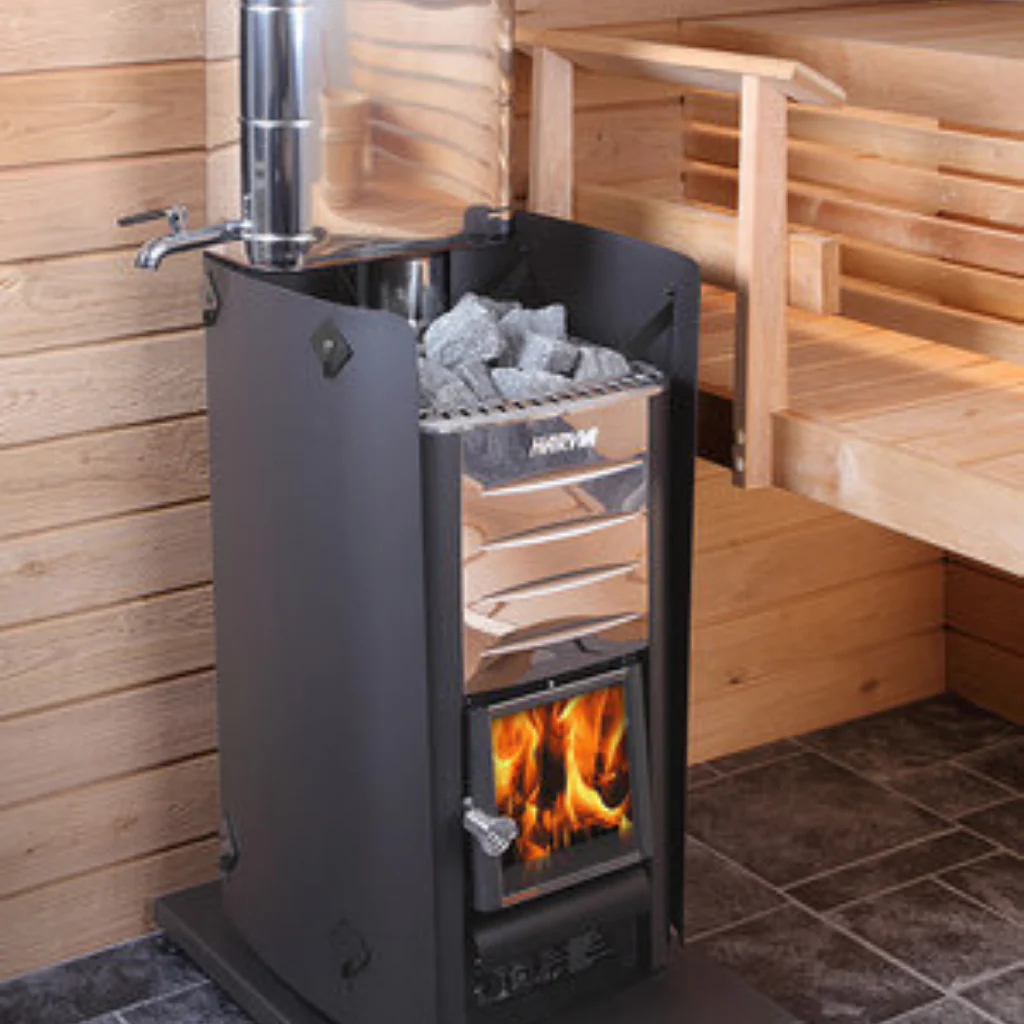
There’s something uniquely satisfying about the crackle and warmth emanating from a wood burning sauna stoves. For centuries, the heart of the traditional sauna experience has been the radiant heat and therapeutic steam generated by a wood-fired heater. Beyond the sheer effectiveness of heating the sauna space, a wood-burning stove offers an unparalleled ambiance, connecting users to a primal, natural ritual that modern electric heaters simply can’t replicate. This comprehensive guide delves into every aspect of these classic sauna heaters, helping you understand their benefits, selection criteria, installation nuances, and long-term care to ensure years of blissful sauna sessions.
Choosing a wood-burning sauna stove is not merely about picking a heating appliance; it’s about embracing a lifestyle. It’s about the deliberate act of building a fire, the slow, satisfying build-up of heat, and the distinct aroma of wood smoke that subtly perfumes the air. Whether you’re building a new sauna or upgrading an existing one, understanding the intricacies of these stoves is crucial for both safety and enjoyment. Let’s embark on a journey to master the art of the wood burning sauna stove.
The Enduring Appeal of Wood Burning Sauna Stoves
The allure of a wood-burning sauna stove extends far beyond its primary function of heating. It taps into a deeper appreciation for tradition, craftsmanship, and a more engaged form of relaxation. Understanding these core appeals can help you appreciate why so many sauna enthusiasts opt for wood-fired units.
Authenticity and Tradition
The wood burning sauna stoves, in its purest form, has always been heated by wood. This method connects modern users to thousands of years of Nordic tradition. The process of stoking a fire, the sound of the burning wood, and the unique quality of heat it produces are integral to an authentic sauna experience. It’s a ritual that fosters a sense of presence and mindfulness, a stark contrast to the set-it-and-forget-it nature of electric heaters.
Superior Heat Quality and Löyly
Many aficionados argue that wood burning stoves produce a more intense, yet softer, heat than electric models. The radiant heat from the burning wood and the large stone capacity often found in these stoves contribute to this sensation. Furthermore, the löyly (the steam created by throwing water on hot stones) from a wood stove is often described as richer and more voluminous, enhancing the humidity and overall therapeutic effect of the sauna.
Independence and Reliability
In off-grid locations or during power outages, a wood-burning sauna stove offers complete independence from electrical grids. This makes them an ideal choice for cabins, remote properties, or anyone seeking a self-sufficient heating solution. Their mechanical simplicity means fewer electronic components that can fail, leading to robust reliability.
Aesthetic and Ambiance
The visual spectacle of a flickering fire through a glass door, if the stove is equipped with one, adds an undeniable charm and coziness to the sauna interior. The subtle scent of wood smoke, the gentle crackling sounds, and the warm glow contribute significantly to the overall relaxing ambiance, transforming a simple sauna session into a sensory experience.
Choosing the Right Wood Burning Sauna Stoves
Selecting the ideal wood burning sauna stove involves considering several critical factors. The right choice ensures efficient heating, safety, and a satisfying sauna experience tailored to your specific needs.
Sauna Room Size and Stove Output
The most crucial factor is matching the stove’s heat output to the volume of your sauna room. Stove manufacturers provide a recommended cubic foot range (length x width x height) for each model. An undersized stove will struggle to heat the room effectively, while an oversized one can overheat quickly, leading to wasted fuel and an uncomfortable experience. Always consult the manufacturer’s specifications carefully.
Stone Capacity
The amount of sauna stones a stove can hold directly impacts the quality of the löyly. Stoves with larger stone capacities produce more steam and retain heat longer, providing a more consistent and enjoyable experience. Consider how frequently you plan to throw water on the stones.
Material and Construction
- Steel: Most common, durable, and heats up relatively quickly. Stainless steel is often used for critical components for corrosion resistance.
- Cast Iron: Known for excellent heat retention and durability, though they tend to be heavier and take longer to heat up initially.
- Combination: Many modern stoves use a combination of materials, optimizing for heat transfer, durability, and aesthetics.
Internal vs. External Feed
This refers to where the wood is loaded into the stove:
- Internal Feed: The stove is entirely within the sauna room, and wood is loaded from inside. This is the most traditional setup, contributing to the sauna’s heat and ambiance.
- External Feed (Through-Wall): The firebox extends through the sauna wall, allowing wood to be loaded from an adjacent room (e.g., a changing room or utility space). This keeps wood debris and smoke out of the sauna, maintaining a cleaner environment. It also means you don’t have to leave the sauna to add wood.
Water Heater Attachments
Some wood-burning stoves offer optional water tanks or coils that can be heated by the stove’s exhaust, providing hot water for showering or washing. This can be a significant convenience, especially in off-grid saunas.
Glass Door Options
Many modern wood-burning sauna stoves feature a glass door, allowing you to watch the flames. This adds significantly to the aesthetic appeal and creates a cozy atmosphere, but it also requires periodic cleaning to maintain visibility.
Safety Certifications
Always ensure the stove you choose meets relevant safety standards and certifications (e.g., UL, CE). This is crucial for both personal safety and often a requirement for insurance purposes.
Installation and Venting Essentials
Proper installation of a wood burning sauna stove and its venting system is paramount for safety, efficiency, and preventing fires. This is not an area to cut corners or guess; consulting with or hiring a certified professional is highly recommended.
Clearance to Combustibles
Every wood stove has specific minimum clearance requirements from combustible materials (walls, ceiling, benches, etc.). These distances are non-negotiable and must be strictly adhered to. Manufacturers provide these specifications in the installation manual. Failure to maintain proper clearances is a leading cause of sauna fires.
Heat Shields and Non-Combustible Materials
Where clearances cannot be met, heat shields made of non-combustible materials (e.g., cement board, metal sheeting) can be used to reduce the required clearance. These shields create an air gap between the stove and the combustible surface, dissipating heat. Always follow manufacturer guidelines for heat shield installation.
Floor Protection
The area beneath and around the stove must be protected by a non-combustible floor protector (e.g., concrete slab, tile, metal sheet). This prevents embers from causing fires and protects the floor from intense heat.
Chimney and Venting System
The chimney is the engine of your wood-burning stove, creating the draft necessary for proper combustion and safely expelling smoke and exhaust gases. A correctly sized and installed chimney is critical.
- Double-Wall Insulated Chimney Pipe: This is the standard for sauna stoves. The insulation prevents creosote buildup and maintains flue gas temperature, ensuring a strong draft and reducing external surface temperatures.
- Chimney Height: The chimney must extend to a sufficient height above the roofline to ensure proper draft and prevent downdrafts. Local building codes and the 10-foot/2-foot rule (chimney must be at least 2 feet higher than any part of the building within 10 feet horizontally) are common guidelines.
- Chimney Cap: Essential to prevent rain, snow, and animals from entering the flue. Spark arrestors are often incorporated into chimney caps.
- Thimbles and Flashing: Proper wall and roof thimbles (for through-wall or through-roof penetrations) and flashing kits are crucial for weatherproofing and maintaining fire safety at these critical junctures.
- Fresh Air Intake: Wood burning stoves consume a significant amount of oxygen. A dedicated fresh air intake, especially in tightly sealed saunas, is often necessary to ensure proper combustion and prevent the sauna from becoming oxygen-depleted. Some modern stoves have a direct external air intake connection.
Building Codes and Permits
Always check local building codes and regulations before installing a wood burning sauna stove. Permits are often required, and inspections may be necessary to ensure compliance with safety standards. Ignoring these can lead to significant issues, including insurance complications or forced removal.
Operating Your Wood Burning Sauna Stove Safely and Efficiently
Operating a wood-burning stove is an art that can be mastered with practice. Proper technique ensures efficient heating, minimizes creosote buildup, and maximizes safety.
Fuel Selection
- Seasoned Hardwood: Use only dry, seasoned hardwood (e.g., birch, oak, maple, ash). Seasoned wood has been dried for at least 6-12 months, reducing its moisture content to below 20%.
- Avoid Unseasoned Wood: Wet or green wood burns inefficiently, produces excessive smoke, leaves more creosote, and contributes to a poor sauna experience.
- Never Burn Treated Wood or Trash: Burning treated wood releases toxic chemicals. Burning trash can damage the stove and chimney, and release harmful pollutants.
Fire Starting Techniques
A good fire starts with good kindling. Use small, dry pieces of wood, paper (avoid glossy or colored paper), or natural firestarters. Build a small, hot fire first to establish a good draft before adding larger pieces of wood. Avoid using flammable liquids to start fires.
Controlling Airflow
Most wood-burning sauna stoves have primary and sometimes secondary air controls. These regulate the amount of oxygen entering the firebox, affecting the burn rate and heat output.
- Starting the Fire: Keep air vents fully open to establish a strong, hot fire.
- Maintaining the Fire: Once the fire is established and the stones are heating, you can partially close the air vents to slow the burn and conserve fuel. Aim for bright, active flames, not smoldering.
- Avoid Over-Firing: Do not over-fire the stove by keeping the air vents wide open with a full load of wood for extended periods, as this can damage the stove and chimney.
Adding Wood
Add wood as needed to maintain the desired temperature. Avoid overfilling the firebox, as this can reduce air circulation and lead to an inefficient, smoky burn. Add smaller amounts more frequently for better control.
Monitoring Temperature
Use a thermometer in your sauna to monitor the air temperature. Adjust the stove’s airflow and wood additions to reach and maintain your preferred sauna temperature.
Carbon Monoxide Safety
Always install a carbon monoxide detector in your sauna building. While a properly vented stove should not produce CO in the sauna room, malfunctions or poor draft can lead to dangerous situations. This is a non-negotiable safety measure.
Maintenance for Longevity and Safety
Regular maintenance is essential to ensure the safe, efficient, and long-lasting operation of your wood burning sauna stove and chimney.
Ash Removal
Empty the ash pan regularly, typically before each use or when it becomes full. Excessive ash can block airflow and reduce efficiency. Always dispose of hot ashes safely in a metal container with a tight-fitting lid, placed away from combustible materials.
Chimney Cleaning
This is arguably the most critical maintenance task. Creosote, a flammable byproduct of wood combustion, builds up in the chimney flue. Regular cleaning (at least once per heating season, more frequently if you burn a lot of wood or often burn unseasoned wood) is vital to prevent chimney fires. This can be a DIY task with proper tools (chimney brush, rods) or performed by a certified chimney sweep.
Stove Inspection
Periodically inspect the stove for any signs of wear, cracks, or damage to the firebox, door gasketing, or internal components. Replace worn gaskets to maintain an airtight seal and prevent smoke leaks. Check the integrity of the sauna stones; replace any that are crumbling or cracked.
Venting System Check
Inspect the entire venting system, including the chimney cap, flashing, and all pipe connections, for any signs of damage, leaks, or obstructions. Ensure all components are securely fastened.
Sauna Room Inspection
Check the sauna room itself for any signs of heat damage to nearby wood or materials, especially around the stove and chimney penetration points. Ensure clearances are still being maintained.
Enhancing Your Wood-Fired Sauna Experience
Beyond the basics, there are several ways to elevate your wood-burning sauna experience, making it even more enjoyable and therapeutic.
Sauna Stones and Water
Use high-quality, dense sauna stones designed for heat retention and resistance to thermal shock. These stones are crucial for generating abundant, soft löyly. Experiment with the amount of water you throw on the stones and the frequency to find your preferred humidity level.
Aromatherapy
Add a few drops of essential oils (e.g., eucalyptus, pine, peppermint) to the water you throw on the stones for an invigorating or relaxing aromatherapy experience. Ensure the oils are suitable for sauna use.
Lighting and Ambiance
Soft, dim lighting enhances relaxation. Consider LED strips, traditional sauna lamps with dimmers, or even candles (placed safely away from combustibles) to create a serene atmosphere. The glow from the stove’s firebox, if visible, will be a significant contributor to the ambiance.
Ventilation
While the stove needs fresh air for combustion, adequate ventilation within the sauna room itself is also important. A properly designed sauna will have an inlet vent (often low, near the stove) and an outlet vent (often high, on an opposite wall) to allow for air circulation and refreshing the air during and after a session.
Post-Sauna Rituals
The experience doesn’t end when you step out of the sauna. Incorporate cold plunges, cool showers, or simply relaxing in a cool environment to maximize the health benefits and complete the traditional sauna cycle.
Final Thoughts on the Wood Burning Sauna Stoves
Embracing a wood burning sauna stove means choosing a path that values tradition, engagement, and a truly authentic sauna experience. While it requires more effort than simply flipping a switch, the rewards – from the superior heat quality and rich löyly to the primal satisfaction of tending a fire – are immeasurable. By carefully considering your needs, adhering to rigorous safety standards during installation, and committing to regular maintenance, your wood-fired sauna will provide a sanctuary of warmth, relaxation, and well-being for many years to come. The journey of mastering the wood burning sauna stove is a rewarding one, leading to countless hours of therapeutic enjoyment and a deep connection to a timeless tradition.
Leave a Reply