
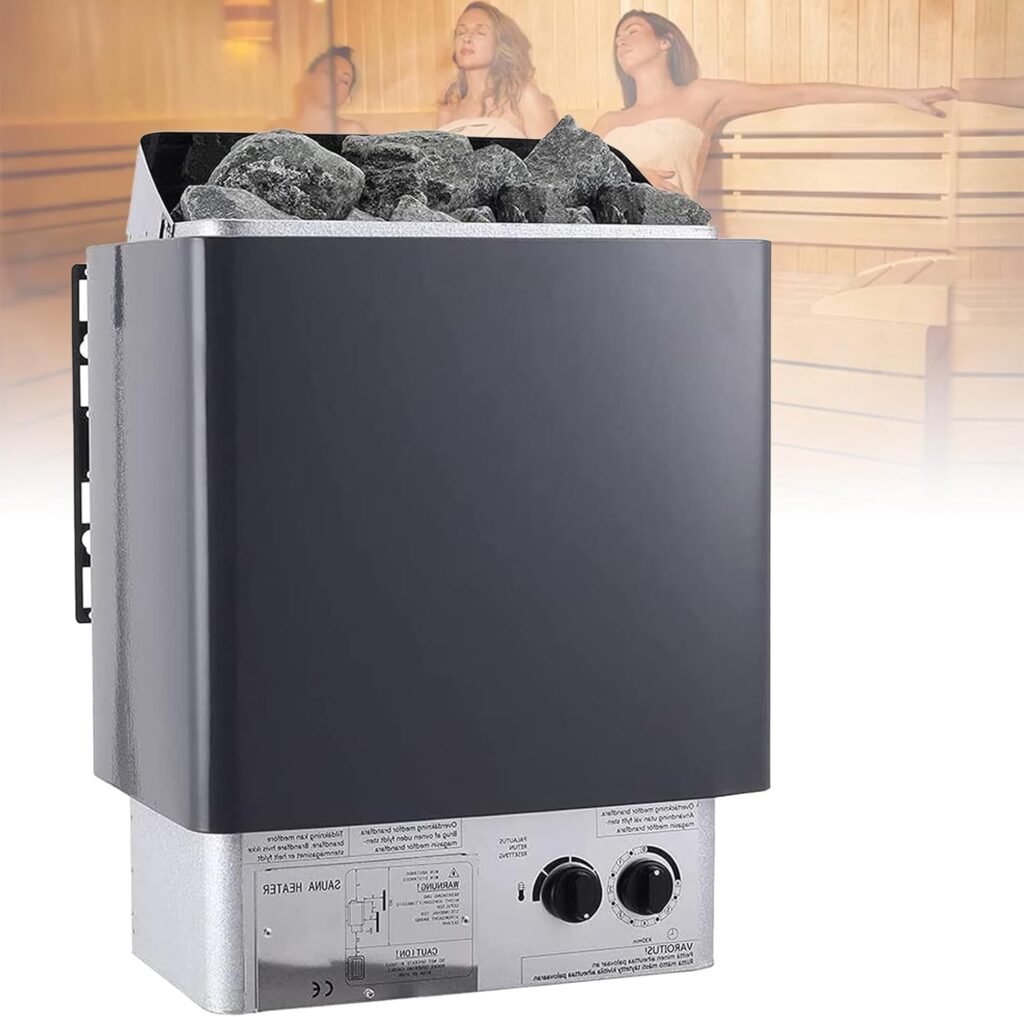
Creating a personal sanctuary for relaxation and wellness often involves installing a sauna. At the heart of any exceptional sauna experience is a reliable and efficient heat source. For many modern homeowners, the electric sauna heater stands out as a popular choice, offering convenience, precise temperature control, and easy installation compared to traditional wood-burning stoves. But with a myriad of options available, how do you choose the right one for your specific needs and sauna setup?
This comprehensive guide will delve into the critical aspects of selecting an electric sauna heater, ensuring you make an informed decision that enhances your home wellness journey. From understanding power requirements and sizing to exploring advanced features and installation considerations, we’ll cover everything you need to know to create your ideal heated retreat.
Understanding Electric Sauna Heater Basics
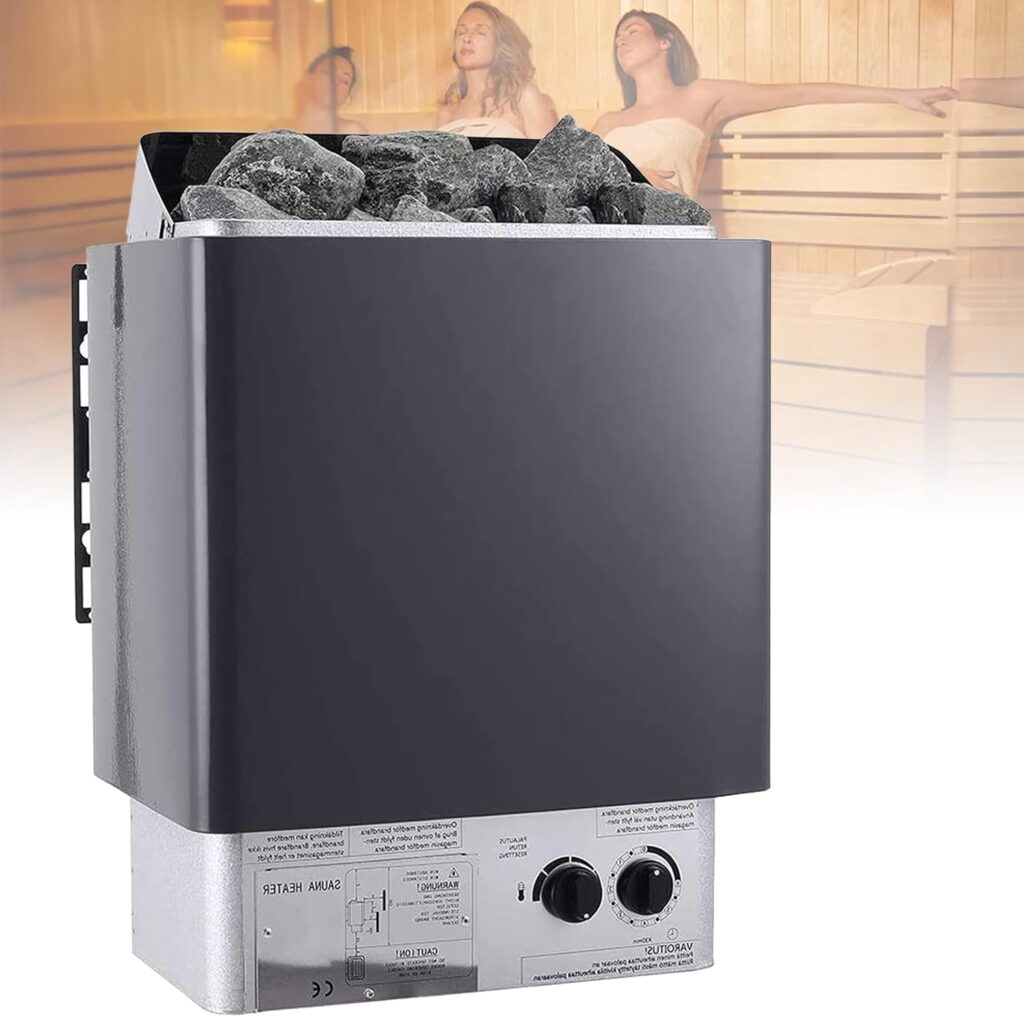
Before diving into specific models and features, it’s crucial to grasp the fundamental principles behind electric sauna heaters. These units convert electrical energy into heat, typically through resistive heating elements that warm sauna stones. Water is then ladled over these hot stones to produce steam, generating the characteristic löyly (sauna steam) that defines the sauna experience.
How They Work
- Heating Elements: Most electric heaters use durable, high-resistance coils (often made of stainless steel or Incoloy) that glow red hot when energized.
- Sauna Stones: These non-combustible, heat-retaining rocks (usually peridotite or olivine) absorb heat from the elements and radiate it into the sauna room. They are also crucial for generating steam when water is applied.
- Controls: Heaters come with either built-in or external control units. These allow you to set the temperature, duration, and sometimes even pre-set start times.
- Safety Features: Essential safety mechanisms include high-limit cut-offs to prevent overheating, and sometimes tilt sensors or door interlocks.
Benefits of Electric Sauna Heaters
- Convenience: Simply turn it on and set your desired temperature. No need for firewood, chimney cleaning, or constant tending.
- Precise Control: Digital thermostats offer accurate temperature regulation, allowing for a consistent and customized sauna session.
- Cleanliness: No ash, smoke, or particulate matter to clean up, making for a much tidier operation.
- Easy Installation: While requiring professional electrical hook-up, they generally involve less complex installation than wood-burning stoves.
- Safety: Modern electric heaters are equipped with numerous safety features to prevent overheating and other hazards.
Sizing Your Electric Sauna Heater: The Power Equation
One of the most critical decisions is determining the appropriate wattage for your electric sauna heater. An undersized heater will struggle to reach optimal temperatures, leading to long heat-up times and a less satisfying experience. An oversized heater, while heating quickly, might consume more energy than necessary and potentially cycle on and off too frequently, impacting element longevity. The general rule of thumb is to allow 1 kilowatt (kW) of power for every 45-50 cubic feet of sauna volume.
Calculating Sauna Volume
To calculate your sauna’s volume, measure its length, width, and height in feet, then multiply these dimensions together.
Volume (cubic feet) = Length (ft) x Width (ft) x Height (ft)
Adjusting for Special Considerations
The 1 kW per 45-50 cubic feet rule is a good starting point for well-insulated saunas with standard construction. However, certain factors can necessitate an increase in heater power:
- Uninsulated Walls/Ceiling: If any walls or the ceiling are not properly insulated (e.g., concrete, glass, tile, or brick), add 1 kW for every 15-20 square feet of uninsulated surface. These materials absorb and conduct heat away from the sauna much faster than insulated wood.
- Exterior Walls: Saunas with exterior-facing walls may require slightly more power due to greater heat loss.
- High Ceilings: Saunas with ceilings exceeding 7 feet may also need a power bump.
- Large Glass Areas: Extensive glass windows or doors within the sauna dramatically increase heat loss. Account for these by adding 1 kW for every 10-15 square feet of glass.
Always round up to the nearest standard heater size if your calculation falls between two common wattages. When in doubt, it’s generally better to slightly oversize than undersize, especially if you anticipate future changes to your sauna or desire quicker heat-up times.
Electrical Requirements and Installation
Installing an electric sauna heater is not a DIY project for most homeowners; it requires a qualified electrician. These heaters operate on 240-volt (or sometimes 208-volt) dedicated circuits and draw significant amperage. Incorrect wiring can lead to serious safety hazards, including fire or electrocution.
Voltage and Amperage
Most residential electric sauna heaters in North America are designed for 240V, single-phase power. Larger commercial units might use 208V or three-phase power. Each heater will specify its voltage and amperage requirements. Ensure your home’s electrical panel can support the additional load and that a dedicated circuit with the correct gauge wiring and breaker size is installed.
For example, a 6 kW, 240V heater typically requires a 30-amp double-pole breaker and 10-gauge wire. A 9 kW heater might need a 40-amp breaker and 8-gauge wire.
Wiring and Conduit
The wiring from the electrical panel to the heater must be run in appropriate conduit, especially in damp or hot environments like a sauna. Your electrician will ensure all connections are secure and meet local electrical codes.
Ventilation
Proper ventilation is crucial for any sauna. It allows fresh air to enter, circulates heated air, and helps remove stale air and excess humidity. Most sauna heaters require specific air intake and exhaust vent placements relative to the heater. Follow the manufacturer’s guidelines strictly for optimal performance and safety. Good ventilation also contributes to a more comfortable and invigorating löyly.
Control Systems: Internal vs. External
Electric sauna heaters come with various control options, influencing both convenience and aesthetics.
Internal Controls
Heaters with internal controls have the thermostat and timer knobs built directly into the heater unit, usually on the front or side. These are often found on smaller, more budget-friendly models.
- Pros: Simpler installation (no separate control panel wiring), more compact design.
- Cons: Requires you to enter the hot sauna to adjust settings, controls can be exposed to heat and moisture over time, limited advanced features.
External Controls
External control units are separate panels mounted outside the sauna room, often near the door. These are prevalent on larger, more advanced heaters.
- Pros: Adjust settings without entering the hot sauna, often include digital displays, more precise temperature control, advanced features like delayed start, temperature presets, and sometimes even Wi-Fi connectivity.
- Cons: More complex wiring during installation, higher cost.
For a truly modern and convenient sauna experience, an external digital control panel is often preferred. Some high-end models even offer smartphone app integration, allowing you to preheat your sauna remotely.
Material and Design Considerations
Beyond wattage and controls, the physical construction and design of your electric sauna heater play a significant role in its durability, efficiency, and integration with your sauna’s aesthetic.
Heater Casing Materials
- Stainless Steel: The most common and recommended material for heater casings due to its excellent resistance to corrosion, rust, and high temperatures. It’s durable and easy to clean.
- Powder-Coated Steel: Offers a variety of color options and good corrosion resistance, but generally not as robust as stainless steel in the long term for high-heat environments.
- Soapstone: Some premium heaters incorporate soapstone panels, which retain heat exceptionally well and provide a softer, more radiant heat. They also add a luxurious aesthetic.
Sauna Stone Capacity
The amount of sauna stones a heater can hold directly impacts the quality of the löyly. Heaters with a larger stone capacity tend to produce more abundant and softer steam, as the water vaporizes more gradually across a larger heated surface. Smaller heaters with fewer stones might produce sharper, more intense bursts of steam.
Floor-Standing vs. Wall-Mounted
- Wall-Mounted: These heaters are attached to the sauna wall, saving floor space. They are popular for smaller saunas or those where maximizing bench space is a priority. Ensure the wall is reinforced to support the weight of the heater and stones.
- Floor-Standing: Often larger and capable of holding more stones, floor-standing units are suitable for bigger saunas or those seeking a traditional look. They require dedicated floor space and often come with a protective guard rail.
Safety Guard Rails
Regardless of whether your heater is wall-mounted or floor-standing, a safety guard rail around the unit is highly recommended. It prevents accidental contact with the hot heater and stones, especially important in family saunas or commercial settings.
Advanced Features and Technologies
Modern electric sauna heaters offer a range of features designed to enhance comfort, convenience, and energy efficiency.
Delayed Start / Programmable Timer
This allows you to set a specific time for your sauna to begin heating, so it’s ready exactly when you are. Imagine coming home from work to a perfectly preheated sauna – pure bliss!
Temperature Sensors and Calibration
High-quality heaters use accurate temperature sensors to maintain a consistent heat. Some advanced controls allow for calibration, ensuring the displayed temperature matches the actual temperature within the sauna at your preferred sitting level.
Automatic Shut-off
A standard safety feature that turns off the heater after a set period (e.g., 60 minutes) to prevent prolonged, unattended operation.
Low Water Level Cut-off (for Steam Saunas/Combi Heaters)
If you’re considering a combi-heater (which can produce both dry heat and significant steam/humidity), this feature is essential. It prevents the steam generator from operating if the water reservoir is empty.
Wi-Fi Connectivity and Smart Home Integration
Some premium models can be controlled via smartphone apps, allowing you to turn the heater on/off, adjust temperature, and set timers remotely. This offers unparalleled convenience and integration into smart home ecosystems.
Himalayan Salt Panels
Certain luxury electric sauna heaters now incorporate or allow for the addition of Himalayan salt panels, which are believed to release beneficial ions when heated, adding another dimension to the sauna experience.
Installation and Maintenance Tips
While professional installation is a must for the electrical hook-up, there are ongoing considerations for maximizing your heater’s lifespan and performance.
Professional Installation
Always hire a licensed and insured electrician for the wiring. They will ensure compliance with local codes, proper circuit sizing, and safe connections. Incorrect installation can void warranties and pose significant risks.
Sauna Stone Placement
Properly arranging the sauna stones is crucial for efficient heating and good löyly. Leave space between stones for air to circulate and for water to trickle down to the hot elements without pooling. Refer to the heater’s manual for specific instructions on stone placement.
Regular Cleaning
Periodically remove the sauna stones and brush off any mineral deposits or debris that may have accumulated. The heating elements should also be checked for any buildup, especially if you use hard water. A soft brush or vacuum can be used for the heater casing.
Stone Replacement
Sauna stones naturally degrade over time due to repeated heating and cooling cycles and water exposure. They can crack, crumble, and lose their heat retention properties. Inspect your stones annually and replace them every 1-3 years, or sooner if they show significant signs of wear. Using fresh stones ensures optimal heat transfer and steam production.
Ventilation Checks
Ensure that air intake and exhaust vents remain unobstructed. Good airflow is vital for the heater’s efficiency and the overall sauna environment.
Making Your Final Decision
Choosing the right electric sauna heater is a significant step in perfecting your home sauna. Begin by accurately measuring your sauna’s volume and accounting for any special construction materials like glass or uninsulated surfaces. This will guide you to the correct wattage. Next, consider your preference for control systems – internal for simplicity or external for advanced features and convenience.
Evaluate the heater’s construction materials for durability and aesthetics, paying attention to stone capacity for optimal steam. Finally, explore additional features that align with your desired sauna experience, from smart controls to unique heat-enhancing elements. By methodically considering these factors, you can select an electric sauna heater that not only meets your technical requirements but also elevates your personal wellness retreat for years to come.
Leave a Reply