
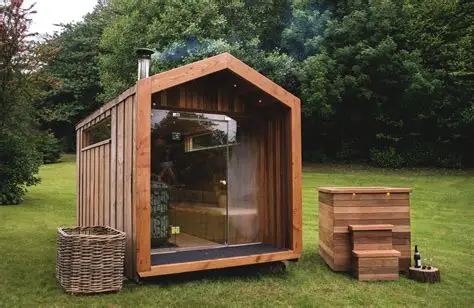
For centuries, the wood sauna has stood as a beacon of relaxation, rejuvenation, and communal gathering across various cultures. Far more than just a heated room, a traditional wood-fired sauna offers a unique and deeply satisfying experience, blending ancient traditions with tangible health benefits. The crackle of burning wood, the earthy aroma, and the intense, enveloping heat create an ambiance that electric saunas simply cannot replicate. This comprehensive guide delves into the world of wood saunas, exploring their rich history, the distinct advantages they offer, the various types available, and essential considerations for anyone looking to embrace this time-honored practice.
Whether you’re a seasoned sauna enthusiast or considering your first plunge into the world of heat therapy, understanding the nuances of a wood-fired system is crucial. From the initial design and construction to ongoing maintenance and safe usage, every aspect contributes to the authentic sauna experience. Join us as we uncover why the wood sauna continues to captivate and provide a sanctuary from the stresses of modern life, offering a truly holistic approach to wellness.
The Historical Roots and Enduring Appeal of Wood Saunas
The history of saunas is deeply intertwined with human civilization, particularly in Northern European cultures. Originating thousands of years ago, the earliest saunas were often simple pits dug into the earth, heated by stones over a wood fire. These humble beginnings evolved into more sophisticated structures, but the core principle of heating stones with wood remained central to the experience. For cultures like the Finns, the sauna was not merely a place for bathing; it was a sacred space used for childbirth, healing rituals, and significant life events. Its role extended beyond hygiene, fostering community, contemplation, and a profound connection to nature.
The enduring appeal of the wood sauna in the modern era can be attributed to several factors. Firstly, there’s the authenticity of the experience. The process of building and tending a wood fire, the wafting scent of burning timber, and the radiant heat it produces engage senses in a way that modern heating elements cannot. This ritualistic aspect contributes significantly to the overall sense of relaxation and mindfulness. Secondly, the quality of heat is often cited as a key differentiator. Wood-fired stoves tend to generate a softer, more humid heat, especially when water is ladled over hot stones (the practice of löyly), creating a steam that many find more comfortable and therapeutic than the drier heat of some electric saunas.
Furthermore, the independence from electrical grids makes wood saunas ideal for remote locations or off-grid living, connecting users directly to natural resources. This self-sufficiency adds another layer to their appeal, particularly for those seeking a more primal and sustainable lifestyle. The aesthetic and sensory experience of a wood sauna — the visual warmth of the flames, the auditory comfort of the crackling fire, and the tactile sensation of the steam — all combine to create a holistic environment that promotes deep relaxation and detoxification, reinforcing its timeless value.
Understanding the Mechanics: How a Wood Sauna Works
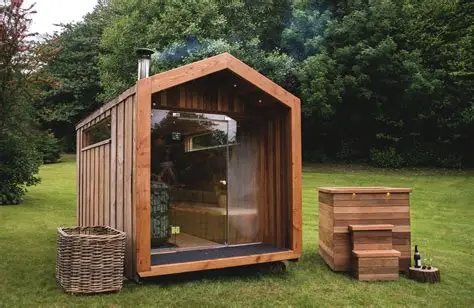
At its core, a wood sauna operates on a simple yet effective principle: heating stones with a wood fire. This process generates radiant heat and, when water is added to the stones, creates steam. Understanding the components and their functions is key to appreciating the wood-fired experience.
The Wood-Burning Stove (Kiukaas)
The heart of any wood sauna is its stove, known as a kiuas in Finnish. These stoves are specifically designed to burn wood efficiently and safely within the sauna environment. They typically consist of a firebox where wood is burned, a robust casing, and a large stone compartment on top. The design allows for maximum heat transfer to the stones, which then radiate heat into the sauna room.
- Firebox: This is where the wood is placed and combusted. Modern wood sauna stoves are designed for clean burning, often featuring secondary combustion chambers to maximize efficiency and reduce emissions.
- Stone Compartment: A critical element, this area holds a significant volume of sauna stones. These stones are specially selected for their ability to withstand extreme temperature changes without cracking and to retain heat effectively. Examples include peridotite, olivine, and volcanic rocks.
- Chimney/Flue: A properly installed chimney is essential for venting smoke and combustion gases safely out of the sauna structure. Draft control is often integrated into the stove or flue system to regulate the burn rate and heat output.
Sauna Stones and Löyly
The sauna stones are not just for heat retention; they are integral to the löyly experience. Löyly refers to the steam created when water is thrown onto the hot stones. This burst of steam significantly increases the humidity and perceived temperature in the sauna, intensifying the heat and promoting deeper sweating. The quality and quantity of stones directly impact the amount and quality of löyly that can be generated. Properly chosen and stacked stones allow for good airflow and maximum surface area for water vaporization.
Air Circulation and Ventilation
Effective ventilation is crucial for safety, comfort, and the overall longevity of a wood sauna. Proper airflow ensures that fresh air is introduced, stale air is expelled, and oxygen is supplied for the wood combustion. Typically, an intake vent is located low near the stove, and an exhaust vent is placed higher on an opposite wall or in the ceiling. This creates a convection current that evenly distributes heat and prevents the air from becoming too heavy or oxygen-depleted. Good ventilation also helps manage humidity and prevents excessive moisture buildup, which can lead to mold or mildew.
Heat Transfer and Distribution
The heat from a wood stove is transferred to the sauna room primarily through radiation from the hot stones and convection. The radiant heat directly warms surfaces and bodies, while convection currents distribute the heated air. The dense sauna stones act as a thermal battery, storing heat and releasing it steadily, even after the fire has begun to die down. This sustained, gentle heat is a hallmark of the wood sauna experience, providing a consistent warmth that penetrates deeply.
Health Benefits and Wellness Aspects
Engaging in regular wood sauna sessions offers a multitude of health and wellness benefits, many of which are supported by anecdotal evidence and growing scientific research. The intense heat and subsequent cooling cycles have a profound impact on the body’s physiological systems.
Cardiovascular Health
Regular sauna use has been associated with improved cardiovascular function. The heat causes blood vessels to dilate, increasing blood flow, similar to the effects of moderate exercise. Heart rate increases, and cardiac output improves. Studies have indicated that frequent sauna bathing may contribute to lower blood pressure and a reduced risk of cardiovascular diseases, including fatal cardiac events and stroke. The body’s response to heat stress helps to strengthen the cardiovascular system over time.
Detoxification and Skin Health
Sweating is one of the body’s primary mechanisms for detoxification. In a wood sauna, the high temperatures induce profuse sweating, which helps to excrete toxins, heavy metals, and metabolic waste products through the skin. This deep cleansing can leave the skin feeling refreshed, clean, and often clearer. Increased blood circulation to the skin also delivers more nutrients and oxygen, contributing to a healthy glow and improved skin elasticity.
Muscle Relaxation and Pain Relief
The warmth of a wood sauna deeply penetrates muscle tissues, promoting relaxation and alleviating tension. This can be particularly beneficial for individuals experiencing muscle soreness, stiffness, or chronic pain conditions like arthritis or fibromyalgia. The increased blood flow to muscles aids in the removal of lactic acid and other metabolic byproducts that contribute to post-exercise soreness, speeding up recovery. Many athletes incorporate sauna sessions into their training regimens for this very reason.
Stress Reduction and Mental Well-being
Perhaps one of the most immediate and universally appreciated benefits of a wood sauna is its profound impact on mental well-being. The quiet, warm environment, often combined with the ritual of tending the fire and pouring water on stones, creates a meditative space. It encourages mindfulness, reduces stress hormones, and promotes a sense of calm and tranquility. Many users report improved sleep quality after sauna sessions due to the relaxation induced. The detachment from electronic devices and the outside world during a sauna session allows for mental decompression and rejuvenation.
Respiratory Benefits
For some, the warm, humid air of a wood sauna can provide relief from respiratory ailments. The heat can help to open airways, loosen mucus, and ease congestion, offering temporary relief for conditions like asthma, bronchitis, or common colds. The steam generated by löyly is particularly beneficial for this purpose, providing a soothing effect on the respiratory passages.
Immune System Boost
Regular exposure to the elevated temperatures in a sauna may stimulate the immune system. The body’s response to heat stress can increase the production of white blood cells, which are crucial for fighting off infections. While not a cure for illness, a fortified immune system can help the body better defend against pathogens and recover more quickly from illness.
Designing and Building Your Own Wood Sauna
Creating a personal wood sauna is a rewarding project that requires careful planning and adherence to safety standards. Whether you’re building from scratch or converting an existing structure, several key considerations will ensure a functional and authentic experience.
Location and Foundation
The choice of location is paramount. An outdoor wood sauna offers the most traditional experience, allowing for direct venting of smoke and often providing a more secluded atmosphere. Consider proximity to a water source for washing and cooling, and ensure adequate clearance from combustible materials like trees or buildings due to fire risk. The foundation must be level, stable, and capable of supporting the weight of the structure, stove, and stones. Concrete slabs, gravel pads, or treated timber foundations are common choices.
Structure and Materials
The sauna structure should be robust and well-insulated to retain heat efficiently. Traditional saunas are often built from wood, with species like cedar, spruce, or aspen being popular choices for their durability, aroma, and low thermal conductivity. These woods are resistant to rot and warping in high-humidity environments. The interior walls and ceiling should be clad with untreated, non-toxic wood. Proper insulation (e.g., mineral wool or rigid foam) in the walls and ceiling is critical for heat retention and energy efficiency. A vapor barrier (typically foil) should be installed on the warm side of the insulation to prevent moisture from penetrating the structure and causing damage.
Ventilation System
As previously mentioned, a well-designed ventilation system is non-negotiable. It ensures fresh air intake for combustion and occupants, and expels stale, oxygen-depleted air. Typically, an intake vent is positioned low near the wood stove, and an exhaust vent is placed high on an opposite wall or in the ceiling. Adjustable vents allow for control over airflow. It’s crucial that the ventilation system does not compromise the structural integrity or insulation.
Wood Stove Selection and Installation
Choosing the right wood stove is vital. Consider the size of your sauna room and the stove’s heat output (BTUs or kW). Ensure the stove meets local building codes and safety regulations. Professional installation of the stove and chimney system is highly recommended to prevent fire hazards and ensure proper drafting. The chimney must extend to a safe height above the roofline and be properly insulated where it passes through combustible materials. Non-combustible materials must surround the stove and extend beneath it to protect the floor and walls.
Benches and Interior Layout
Sauna benches should be constructed from smooth, non-splintering wood that remains relatively cool to the touch, such as aspen or abachi. Multiple levels of benches are common, with higher benches offering hotter temperatures. Ensure benches are sturdy, comfortable, and wide enough for reclining. The layout should allow for safe movement, adequate clearance from the stove, and efficient heat distribution.
Lighting and Accessories
Subtle, low-level lighting is preferred in a sauna to enhance relaxation. Vapor-proof fixtures are essential due to the high humidity. Accessories like a thermometer/hygrometer, a wooden bucket and ladle for löyly, and perhaps a sand timer complete the traditional sauna experience.
Operating and Maintaining Your Wood Sauna
To ensure a safe, enjoyable, and long-lasting wood sauna experience, proper operation and consistent maintenance are essential. Adhering to best practices will preserve the integrity of your sauna and maximize its therapeutic benefits.
Fueling and Firing Up
Use only dry, seasoned hardwood for your wood sauna stove. Softwoods burn too quickly and produce more creosote, while wet wood burns inefficiently and creates excessive smoke. Start with smaller pieces of kindling and gradually add larger logs as the fire establishes. Avoid overfilling the firebox; allow for good airflow around the wood for efficient combustion. Monitor the fire and add wood as needed to maintain the desired temperature. It’s good practice to pre-heat the sauna for 30-60 minutes before use, allowing the stones to fully absorb heat.
Sauna Etiquette and Usage
Before entering, a quick shower is customary to remove dirt and oils. Always sit on a towel to protect the benches and for hygiene. Start with shorter sessions (10-15 minutes) and gradually increase duration as your body adapts. Listen to your body and exit if you feel dizzy or unwell. Cooling down between sessions, often with a cold shower, dip in a lake, or simply fresh air, is crucial for cardiovascular benefits and to regulate body temperature. Rehydrate adequately with water before, during, and after sauna use. Avoid alcohol before or during sauna sessions.
Cleaning and Hygiene
Regular cleaning is vital. After each use, wipe down benches and floors to remove sweat and moisture. Allow the sauna to cool down and air out completely to prevent mold and mildew growth. Periodically, benches may need a more thorough cleaning with a mild, non-toxic cleaner or a light sanding to remove stains and rough spots. Replace worn or splintered wood components as needed. The sauna stones should be inspected annually for cracks or deterioration and replaced if necessary, as damaged stones can be less effective and potentially hazardous.
Wood Stove and Chimney Maintenance
Regular maintenance of the wood stove and chimney is paramount for safety. Ash should be removed from the firebox after each use to maintain efficiency and prevent blockages. The chimney and flue pipes require regular inspection and cleaning to prevent creosote buildup, which is a major fire hazard. The frequency of cleaning depends on usage, but at least once a year by a certified chimney sweep is generally recommended. Check the stove door gasket, air vents, and other components for wear and tear, replacing them as necessary.
Safety Precautions
- Fire Safety: Ensure proper clearances around the stove and chimney from combustible materials. Always have a fire extinguisher readily accessible. Never leave a burning stove unattended, especially with children or pets nearby.
- Carbon Monoxide: Ensure adequate ventilation to prevent carbon monoxide buildup. Consider installing a carbon monoxide detector in the sauna area.
- Hydration: Stay well-hydrated to prevent dehydration.
- Health Conditions: Individuals with certain health conditions (e.g., heart disease, pregnancy, high blood pressure) should consult a doctor before using a sauna.
- Children: Children should always be supervised and have shorter, cooler sauna sessions.
Comparing Wood Saunas to Other Types
While the wood sauna offers a traditional and deeply satisfying experience, it’s helpful to understand how it compares to other popular sauna types, each with its own characteristics and advantages.
Wood Sauna vs. Electric Sauna
The most direct comparison is often made between wood-fired and electric saunas. Both use heated stones to generate heat and steam, but the heating mechanism differs significantly.
- Heat Quality: Wood saunas are often praised for their softer, more humid heat and the rich löyly produced. Electric saunas can sometimes produce a drier heat, though modern electric heaters with larger stone capacities can mimic the wood-fired experience more closely.
- Ambiance: The crackle of a wood fire, the scent of burning wood, and the ritual of tending the flames create an unparalleled authentic ambiance in a wood sauna. Electric saunas offer convenience and a clean aesthetic but lack this sensory depth.
- Warm-up Time: Electric saunas typically heat up faster and maintain temperature with precise control. Wood saunas require more time to fire up and reach optimal temperature, and heat regulation is more manual.
- Cost and Installation: Electric saunas often have lower initial installation costs and simpler wiring requirements. Wood saunas require a chimney system and careful adherence to fire codes, potentially increasing installation complexity and cost.
- Operation: Electric saunas are turn-key; flip a switch and set a timer. Wood saunas require active management of the fire.
Wood Sauna vs. Infrared Sauna
Infrared saunas operate on a fundamentally different principle. Instead of heating the air and stones, infrared heaters emit electromagnetic radiation that directly warms the body.
- Heat Type: Infrared saunas operate at much lower air temperatures (110-140°F / 43-60°C) compared to wood saunas (160-200°F / 70-95°C). The heat in an infrared sauna is perceived as gentler and penetrates deeper into the body.
- Sweating: While both induce sweating, the mechanism differs. Infrared saunas aim for a deeper sweat at lower ambient temperatures, often with less cardiovascular strain. Wood saunas induce profuse sweating through extreme heat.
- Löyly/Steam: Infrared saunas do not produce steam (löyly) as they don’t heat stones. This is a key distinguishing factor for those who value the humid heat.
- Setup: Infrared saunas are generally easier to install, often plugging into a standard wall outlet (though some larger units may require dedicated circuits). They don’t require chimneys or complex ventilation.
- Experience: The wood sauna offers a traditional, communal, and often more intense heat experience. Infrared saunas are often preferred for their convenience, lower operating temperatures, and perceived benefits of direct infrared penetration.
Wood Sauna vs. Steam Room
Steam rooms are distinct from saunas, though both use heat and humidity for therapeutic effects.
- Humidity: Steam rooms operate at 100% humidity with lower temperatures (100-120°F / 38-49°C). Wood saunas, while capable of generating significant steam with löyly, typically maintain a lower overall humidity (10-30% dry, increasing to 40-60% with steam).
- Temperature: Saunas are much hotter than steam rooms.
- Experience: The air in a steam room is thick and misty, often with a strong aroma from essential oils, which can be beneficial for respiratory issues. Saunas offer a dry heat that can be modified with steam.
Each sauna type offers a unique experience and set of benefits. The wood sauna stands out for its authenticity, the ritual of the fire, the quality of its heat, and its profound connection to tradition and nature.
Embracing the Wood Sauna Lifestyle
The wood sauna is more than just a heating appliance; it represents a lifestyle choice rooted in tradition, wellness, and a connection to natural elements. For those who embrace it, it offers a consistent sanctuary and a powerful tool for enhancing physical and mental health. The deliberate act of preparing the fire, the wait for the stones to heat, and the subsequent hours of relaxation and rejuvenation become a cherished ritual.
From the robust cardiovascular benefits to the deep detoxification and unparalleled stress relief, a well-built and properly used wood sauna provides a holistic approach to well-being. It encourages mindfulness, offers a space for quiet contemplation, and can even foster social connection when enjoyed with family and friends. The enduring appeal of the wood sauna lies in its simplicity, its effectiveness, and its ability to transport us to a state of profound relaxation, reminding us of the timeless wisdom embedded in ancient practices. Investing in a wood sauna is not just about acquiring a structure; it’s about investing in a richer, more grounded way of life.
Leave a Reply