
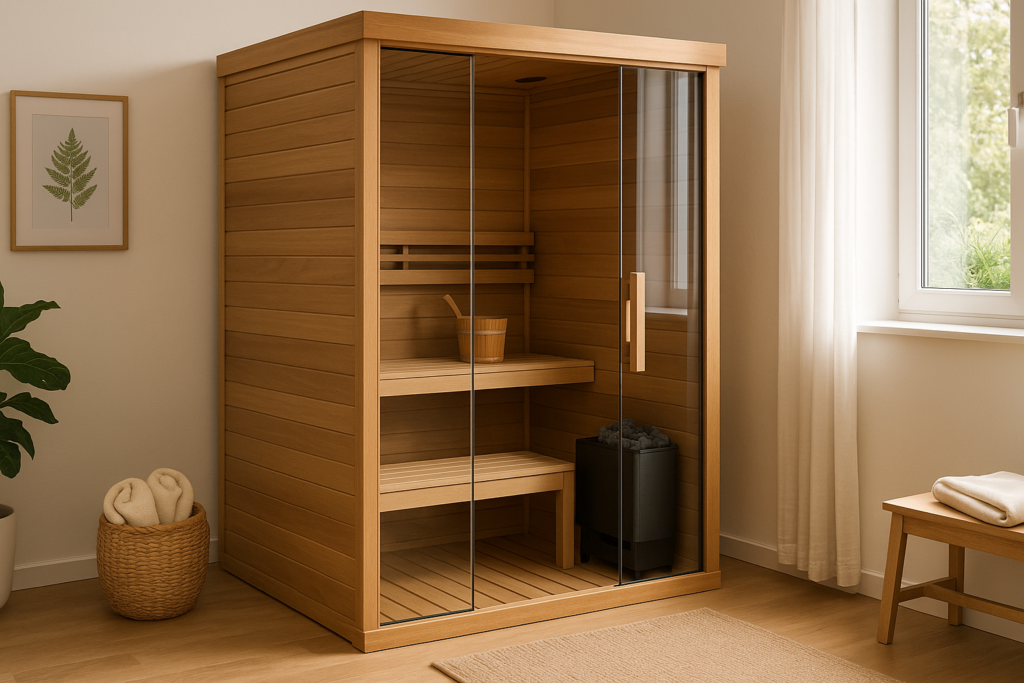
In today’s fast-paced world, finding moments of tranquility and self-care is more important than ever. While spas and wellness centers offer a temporary escape, imagine having that same rejuvenating experience right within the comfort of your own abode. This is where the allure of a home sauna truly shines. Far from being a luxury reserved for high-end resorts, home saunas are becoming an increasingly accessible and popular addition to modern homes, offering a sanctuary for relaxation, detoxification, and overall well-being. But what exactly does it entail to bring this ancient tradition into your contemporary living space?
From the soothing warmth that melts away stress to the potential health benefits that boost circulation and skin health, a home sauna represents a significant investment in your personal wellness journey. This comprehensive guide will walk you through the essential considerations, types, and benefits, helping you make an informed decision as you embark on creating your personal haven of heat and relaxation.
Understanding the Benefits of a Home Sauna
The practice of sauna bathing has been cherished across cultures for centuries, and for good reason. The benefits extend beyond mere relaxation, impacting both physical and mental health. Regular sauna use can lead to: Home Sauna
- Stress Reduction and Relaxation: The warm, quiet environment of a sauna promotes deep relaxation, helping to lower cortisol levels and ease muscle tension. It’s an ideal way to unwind after a long day.
- Improved Circulation: Heat exposure causes blood vessels to dilate, increasing blood flow throughout the body. This improved circulation can benefit cardiovascular health and aid in muscle recovery.
- Detoxification: Sweating is one of the body’s natural ways to eliminate toxins. Saunas induce a deep sweat, which can help cleanse the skin and rid the body of impurities.
- Pain Relief: The heat can help alleviate muscle soreness, joint pain, and even some forms of chronic pain by increasing circulation and relaxing tight muscles.
- Enhanced Skin Health: Increased blood flow to the skin and deep sweating can open pores, remove dead skin cells, and contribute to a healthy glow.
- Better Sleep: Many users report improved sleep quality after regular sauna sessions, attributing it to the deep relaxation and body temperature regulation experienced during and after use.
Types of Home Saunas: Which One Suits You?
Choosing the right type of sauna is crucial, as each offers a unique experience and set of requirements. The primary types include:
Traditional Saunas (Finnish Saunas)
These are perhaps what most people envision when they think of a sauna. They use a heater (electric or wood-burning) to heat rocks, over which water can be poured to create steam and increase humidity. Traditional saunas operate at high temperatures (typically 150-195°F or 65-90°C) with varying humidity levels. They offer a deeply immersive and intense heat experience.
Infrared Saunas
Unlike traditional saunas that heat the air around you, infrared saunas use infrared heaters to directly warm your body. This allows for lower operating temperatures (typically 120-140°F or 49-60°C), making them more tolerable for some individuals. There are different types of infrared, including far, mid, and near-infrared, each penetrating the body at different depths and offering distinct benefits. They are known for deep tissue penetration and efficient detoxification at lower temperatures. Home Sauna
Steam Saunas (Steam Rooms)
While often grouped with saunas, steam rooms are distinct. They operate at lower temperatures (around 100-120°F or 38-49°C) but with nearly 100% humidity. The moist heat is excellent for respiratory health, skin hydration, and muscle relaxation, offering a different sensory experience compared to the dry heat of traditional saunas.
Portable Saunas
For those with limited space or budget, portable saunas offer a convenient alternative. These are typically smaller, often foldable units, usually infrared, that can be set up in almost any room. While they may not offer the full immersive experience of a built-in unit, they provide many of the same benefits in a compact form factor.
Key Considerations Before Installation
Once you’ve decided on the type of sauna, several practical aspects need attention before installation begins:
- Space and Location: Measure your available space carefully. Consider ventilation, access to electrical outlets (for electric heaters), and proximity to a shower for cooling down.
- Power Requirements: Traditional electric saunas often require dedicated 220V circuitry, while infrared saunas might run on standard 120V outlets, though some larger units may also need 220V. Consult with an electrician.
- Ventilation: Proper ventilation is crucial for air circulation and to prevent moisture buildup, especially in traditional and steam saunas.
- Flooring: Choose a durable, water-resistant flooring material like concrete, tile, or vinyl for areas around the sauna.
- Budget: Home sauna costs vary widely based on type, size, features, and installation complexity. Factor in not just the unit cost but also installation, electrical work, and potential plumbing for steam rooms.
- DIY vs. Professional Installation: While some smaller infrared saunas can be assembled by a homeowner, traditional and custom-built saunas often require professional installation for safety and optimal performance.
- Local Building Codes: Always check with your local municipality for any permits or specific building codes related to sauna installation.
Designing Your Home Sauna Experience
Beyond the technical aspects, consider the aesthetic and functional design to create a truly inviting space:
- Materials: Cedar is a popular choice for traditional saunas due to its aromatic properties, resistance to rot, and ability to withstand high temperatures. Other options include hemlock, aspen, and spruce.
- Lighting: Soft, dimmable lighting can enhance the relaxing ambiance. Consider LED strips for indirect lighting or specialized sauna lights.
- Accessories: Enhance your experience with accessories like a wooden bucket and ladle for pouring water over rocks (traditional saunas), ergonomic backrests, headrests, and a thermometer/hygrometer.
- Sound System: Waterproof speakers can allow for relaxing music or guided meditations, further elevating the sensory experience.
- Aromatherapy: Essential oils specifically designed for sauna use can be added to the water (for traditional saunas) or diffused nearby to create an aromatic environment.
Maintaining Your Home Sauna for Longevity
To ensure your home sauna remains a pristine sanctuary for years to come, regular maintenance is key:
- Cleaning: Wipe down benches and walls regularly with a mild, non-toxic cleaner. For traditional saunas, periodically scrub the benches to remove sweat and grime.
- Ventilation: Ensure the sauna is properly aired out after each use to prevent moisture buildup and mold.
- Heater Maintenance: For traditional saunas, inspect the rocks periodically and replace any that are cracked or crumbling. For infrared saunas, keep the heaters clean and free of obstructions.
- Wood Care: Avoid using harsh chemicals on the wood. Light sanding can refresh the wood surface if it becomes discolored or rough over time.
- Electrical Check: Periodically check electrical connections for any signs of wear or damage, especially in professionally installed units.
Incorporating a home sauna into your lifestyle is more than just adding a new feature to your house; it’s about investing in a healthier, more relaxed you. With careful planning and consideration, you can create a personal wellness retreat that offers countless hours of rejuvenation and peace, right at your fingertips.
Leave a Reply