
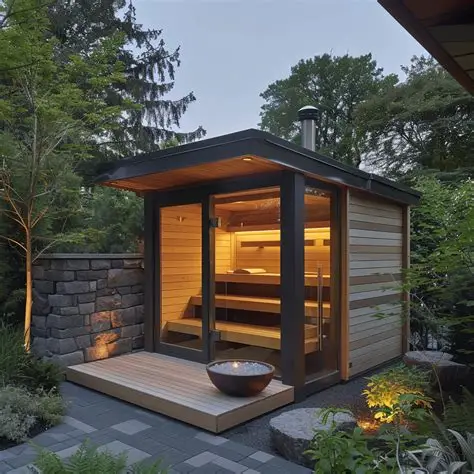
Imagine stepping out your back door into a world of tranquil warmth, a sanctuary designed for relaxation and rejuvenation. This isn’t a far-off dream; it’s the reality of owning a backyard sauna. Far more than just a luxury, a backyard sauna is an investment in your health, your home, and your overall well-being. From ancient traditions to modern wellness trends, the allure of sauna bathing has endured for centuries, and bringing this therapeutic experience to your own property offers unparalleled convenience and privacy. Backyard Sauna
In today’s fast-paced world, finding moments of peace and recovery is crucial. A backyard sauna provides that dedicated space, a personal oasis where you can unwind, detoxify, and recharge your mind and body. This comprehensive guide will walk you through everything you need to consider when planning, installing, and enjoying your very own outdoor sauna, ensuring you make an informed decision that brings lasting benefits to your lifestyle and home. Backyard Sauna
The Enduring Appeal and Benefits of a Backyard Sauna
The practice of sauna bathing boasts a rich history across various cultures, particularly in Nordic countries, where it’s deeply ingrained in daily life. Its enduring popularity is no accident; the benefits are extensive and well-documented. Bringing this tradition into your backyard allows you to harness these advantages on your own schedule. Backyard Sauna
Health and Wellness Advantages
- Stress Reduction and Relaxation: The warm, enveloping heat of a sauna promotes deep relaxation. It helps to lower cortisol levels, reduce muscle tension, and calm the nervous system, offering a powerful antidote to daily stress.
- Improved Cardiovascular Health: Regular sauna use has been linked to improved cardiovascular function. The heat causes your heart rate to increase, mimicking a light cardio workout, and can improve blood circulation. Studies suggest it may even lower blood pressure and reduce the risk of cardiovascular disease. Backyard Sauna
- Detoxification: Sweating is a natural and effective way for the body to expel toxins. The intense heat of a sauna induces profuse sweating, helping to cleanse the skin and eliminate heavy metals and other impurities from the body.
- Muscle Recovery and Pain Relief: Athletes and individuals with chronic pain often turn to saunas for relief. The heat helps to relax muscles, improve flexibility, and reduce post-exercise soreness and stiffness. It can also be beneficial for those suffering from conditions like arthritis or fibromyalgia.
- Enhanced Skin Health: The increased blood flow and sweating during a sauna session can open pores, remove dead skin cells, and contribute to a healthier, more radiant complexion. Backyard Sauna
- Better Sleep Quality: The deep relaxation induced by a sauna session, particularly when enjoyed in the evening, can lead to more restful and profound sleep. The cooling down period after the sauna further aids in sleep induction.
- Immune System Support: Regular exposure to heat can stimulate white blood cell production, strengthening the body’s immune response and potentially helping to ward off illness. Backyard Sauna
Lifestyle and Property Value Enhancements
- Convenience and Privacy: No more driving to a gym or spa; your personal sauna is just steps away, available whenever you desire. This offers unmatched privacy and convenience, allowing for spontaneous sessions.
- Social Hub: A backyard sauna can become a wonderful gathering spot for friends and family, fostering connection and shared relaxation experiences.
- Increased Property Value: A well-designed and properly installed backyard sauna is a desirable amenity that can significantly enhance the appeal and market value of your home, especially in regions where outdoor living and wellness are highly valued.
- Year-Round Enjoyment: Unlike a pool, a sauna can be enjoyed in any season, providing a warm escape during cold winter months or a refreshing detox in the summer. Backyard Sauna
Choosing Your Backyard Sauna: Types and Considerations
When embarking on your backyard sauna journey, one of the first decisions you’ll face is selecting the right type. Each option comes with its own characteristics, benefits, and installation requirements. Understanding these differences is key to making the best choice for your needs and space. Backyard Sauna
Traditional Finnish Saunas (Wood-Burning or Electric)
The classic sauna experience, characterized by high temperatures (160-200°F or 70-95°C) and low humidity, often with water thrown over hot rocks (löyly) to create steam. This is the quintessential sauna experience many envision.
- Wood-Burning Saunas:
- Pros: Authentic, rustic experience; no electricity required (ideal for remote locations); pleasant aroma of burning wood.
- Cons: Requires a chimney and ventilation; active management of fire; smoke and ash clean-up; longer heating time.
- Considerations: Local fire codes and regulations are paramount. Proximity to combustible materials must be carefully managed.
- Electric Saunas:
- Pros: Convenient and easy to use; precise temperature control; faster heating times; minimal maintenance.
- Cons: Requires electrical hookup (often 240V); lacks the traditional wood-burning aroma.
- Considerations: Professional electrical installation is typically required. Ensure your outdoor electrical supply can handle the heater’s wattage. Backyard Sauna
Infrared Saunas
Unlike traditional saunas that heat the air, infrared saunas use infrared heaters to directly warm the body. They operate at lower temperatures (120-150°F or 50-65°C). Backyard Sauna
- Pros: Lower operating temperatures (good for those sensitive to high heat); deep tissue penetration for therapeutic benefits; typically faster heating and lower energy consumption.
- Cons: Doesn’t produce the same intense sweat or steam experience as traditional saunas; some argue it’s not a ‘true’ sauna experience.
- Considerations: Requires a standard electrical outlet (120V or 240V depending on size). Often available in pre-fabricated kits.
Steam Saunas (Steam Rooms)
While often grouped with saunas, steam rooms are distinct. They operate at lower temperatures (100-120°F or 40-50°C) but with much higher humidity (100%).
- Pros: Excellent for respiratory health and skin hydration; very relaxing and detoxifying.
- Cons: Can feel claustrophobic to some; requires a dedicated steam generator and waterproof construction.
- Considerations: Requires robust waterproofing and specialized ventilation to prevent mold and mildew.
Modular Kits vs. Custom Builds
- Modular Kits:
- Pros: Pre-fabricated, easier and faster to assemble; often more cost-effective; clear instructions.
- Cons: Limited customization options; quality can vary between manufacturers.
- Custom Builds:
- Pros: Fully customizable to your exact specifications, size, and aesthetic preferences; can perfectly integrate into your landscape.
- Cons: More complex and time-consuming; potentially higher cost; requires more planning and skilled labor.
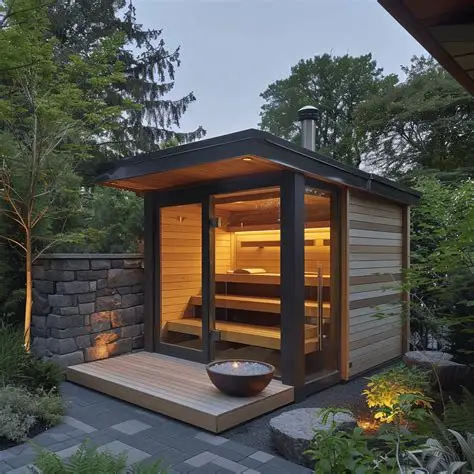
Planning and Siting Your Backyard Sauna
Careful planning is the cornerstone of a successful backyard sauna project. From location to permits, each detail contributes to the functionality, safety, and enjoyment of your new oasis.
Location, Location, Location
Selecting the ideal spot for your backyard sauna involves balancing several factors:
- Privacy: Position your sauna away from direct views of neighbors or high-traffic areas. Consider natural barriers like trees or fences, or plan for landscaping to create a secluded feel.
- Accessibility: Ensure easy access from your home, especially if you plan to use it year-round. Proximity to a cold plunge or shower area is also a plus for the full sauna experience.
- Utilities: Consider the availability of electricity (for electric heaters, lighting) and water (for rinsing, throwing on rocks, or a nearby shower).
- Drainage: The ground around your sauna should drain well to prevent water pooling and potential damage to the structure.
- Aesthetics: Integrate the sauna harmoniously with your existing landscape and home architecture.
- Safety Clearances: Especially for wood-burning saunas, adhere to strict clearance requirements from combustible materials, property lines, and other structures.
Permits and Regulations
This is a critical step that cannot be overlooked. Building codes and zoning regulations vary significantly by location.
- Local Building Department: Contact your local building authority early in the planning process. They will inform you about:
- Required permits (building, electrical, plumbing).
- Setback requirements from property lines, other structures, and easements.
- Height restrictions.
- Specific construction standards (e.g., ventilation, fire safety for wood burners).
- Electrical code compliance (e.g., GFCIs, wiring standards).
- Homeowners’ Association (HOA): If applicable, review your HOA’s covenants and restrictions regarding outdoor structures. They may have specific rules about size, appearance, and placement.
- Insurance: Inform your home insurance provider about your new sauna. Ensure it’s covered under your policy.
Failing to obtain necessary permits can lead to fines, forced removal, or difficulties when selling your home.
Foundation and Site Preparation
A stable, level foundation is essential for the longevity and safety of your sauna.
- Concrete Slab: A popular and durable choice, providing a solid, level base. Ensure it’s properly sloped for drainage.
- Gravel Base with Pavers/Deck Blocks: A more budget-friendly option for smaller, lighter saunas. Requires good site preparation to ensure stability and drainage.
- Deck Extension: If integrating with an existing deck, ensure the deck structure can support the sauna’s weight and that proper ventilation is maintained underneath.
- Leveling: Regardless of the foundation type, ensure it is perfectly level to prevent structural issues and door alignment problems.
- Drainage: Plan for water runoff. The area around the sauna should prevent pooling water, which can lead to rot or foundation damage.
Utilities Hookup (Electrical & Water)
- Electrical:
- Heater Requirements: Electric sauna heaters typically require a dedicated 240V circuit, often 30-60 amps, depending on the heater size. Infrared saunas may use 120V or 240V.
- Lighting and Outlets: Plan for interior and exterior lighting, and potentially an outdoor outlet for accessories.
- Professional Installation: Always hire a licensed electrician for all electrical work. Outdoor wiring needs to be properly trenched, protected, and comply with all local codes.
- Water:
- Hose Bib: A nearby outdoor faucet is convenient for cleaning and for adding water to sauna rocks.
- Outdoor Shower/Cold Plunge: If you desire a full Nordic experience, consider planning for an outdoor shower or a cold plunge tub adjacent to your sauna. This will require water supply and drainage.
Construction and Installation Essentials
Whether you’re assembling a kit or undertaking a custom build, attention to detail during construction is vital for a safe, efficient, and enjoyable backyard sauna.
Framing and Walls
- Material Selection: Cedar is the gold standard for sauna interiors due to its resistance to rot, pleasant aroma, low thermal conductivity (stays cool to the touch), and minimal resin. Pine, spruce, or aspen can also be used, but ensure they are knot-free to avoid sap leakage at high temperatures.
- Insulation: Proper insulation is crucial for energy efficiency and maintaining high temperatures. Use rigid foam insulation or mineral wool in walls and ceiling. Ensure a vapor barrier (e.g., foil-faced insulation or foil vapor barrier) is installed on the warm side of the insulation to prevent moisture from penetrating the wall structure.
- Venting: Crucial for air circulation, fresh air intake, and expelling humid air. Typically, an intake vent is placed low near the heater, and an exhaust vent is placed high on an opposite wall.
Sauna Heater Installation
- Sizing: The heater must be appropriately sized for the sauna’s volume. Consult the heater manufacturer’s specifications. Too small, and it won’t heat effectively; too large, and it’s inefficient.
- Placement: Position the heater according to manufacturer guidelines, usually away from the door and with specific clearances from walls and benches.
- Safety Railing: Install a wooden safety railing around the heater to prevent accidental contact with the hot surface.
- Sauna Stones: Use only specific sauna stones designed for heating. Arrange them according to the heater’s instructions to ensure proper airflow.
- Electrical Hookup: As mentioned, a licensed electrician is mandatory for connecting electric heaters.
Benches and Interior Design
- Bench Material: Use the same rot-resistant, low-thermal-conductivity wood as the walls (e.g., cedar). Ensure benches are smooth, splinter-free, and comfortable.
- Bench Heights: Traditional saunas often have multiple bench levels. The top bench is the hottest, offering the most intense experience. Lower benches provide a milder heat.
- Ergonomics: Design benches for comfortable sitting and lying down. Consider backrests for added comfort.
- Floor: A slatted duckboard floor over a concrete or waterproof base is common, allowing for drainage and providing a comfortable walking surface.
Door and Windows
- Sauna Door: The door should always open outwards for safety. It should be made of tempered glass or solid wood, and ideally, not have a locking mechanism that can trap someone inside.
- Windows: Optional, but can enhance the experience with natural light and views. Use tempered glass and ensure they are well-sealed and insulated.
Lighting
- Moisture-Resistant Fixtures: All electrical fixtures inside the sauna must be rated for high heat and humidity.
- Soft, Indirect Lighting: Opt for dimmable, low-wattage lighting to create a relaxing ambiance. Avoid harsh overhead lights.
Enhancing Your Backyard Sauna Experience
Once your backyard sauna is built, a few thoughtful additions and practices can elevate your experience from good to extraordinary.
Accessories for Comfort and Enjoyment
- Sauna Bucket and Ladle: Essential for pouring water over hot rocks (löyly) in traditional saunas, increasing humidity and sensation.
- Thermometer and Hydrometer: Monitor the temperature and humidity levels to ensure your preferred environment.
- Sauna Headrest/Pillow: For comfortable lying down on benches.
- Wooden Floor Mat (Duckboard): Provides a comfortable, non-slip surface and protects your feet from hot floors.
- Towels: Always bring clean towels for sitting on benches and drying off.
- Essential Oils (Sauna Scents): A few drops of sauna-safe essential oils (like eucalyptus or pine) mixed with water can be added to the ladle for an aromatherapy experience. Ensure they are specifically designed for sauna use.
- Cold Plunge or Outdoor Shower: A traditional part of the sauna ritual, alternating between hot and cold can boost circulation and invigorate the body.
The Art of Sauna Bathing: Rituals and Best Practices
- Hydration is Key: Drink plenty of water before and after your sauna session to prevent dehydration.
- Cleanliness: Shower before entering the sauna to remove lotions, oils, and dirt, ensuring a more hygienic experience.
- Duration: Start with shorter sessions (5-10 minutes) and gradually increase as your body adapts, usually up to 15-20 minutes per round. Listen to your body.
- Multiple Rounds: Many sauna enthusiasts enjoy multiple rounds, alternating between heat, a cool-down period (cold shower, plunge, or just fresh air), and rest.
- Cool-Down: After each round, allow your body to cool down gradually. This is as important as the heating phase.
- Relaxation: Use the time in the sauna for quiet contemplation, meditation, or light conversation. Avoid electronic devices.
- Listen to Your Body: If you feel dizzy, nauseous, or unwell, exit the sauna immediately.
- Avoid Alcohol: Do not consume alcohol before or during sauna use, as it can lead to dehydration and other health risks.
Maintenance for Longevity
- Cleaning: Regularly wipe down benches and walls with a mild, non-toxic cleaner designed for saunas. Vacuum or sweep the floor.
- Ventilation: Ensure vents are clear and functioning properly.
- Wood Treatment: Avoid sealing or varnishing the interior wood, as it can trap heat and release fumes. The wood needs to breathe.
- Heater Maintenance: Periodically check sauna stones for cracking or deterioration and replace as needed. Clean the heater element of any debris.
- Exterior Care: Maintain the exterior of your sauna like any other outdoor structure – sealing, painting, or staining as required by the material.
- Inspect for Damage: Regularly check for any signs of water damage, rot, or structural issues, especially after harsh weather.
Your Personal Backyard Sauna Retreat
A backyard sauna is more than just an outdoor structure; it’s a profound enhancement to your lifestyle, offering a consistent and convenient path to improved health, reduced stress, and increased personal well-being. From the careful selection of your sauna type to the detailed planning of its location and the thoughtful integration of accessories, every step contributes to creating a perfectly tailored sanctuary. By understanding the essentials of construction, adhering to safety guidelines, and embracing the rituals of sauna bathing, you are well on your way to transforming your backyard into a private oasis of relaxation and rejuvenation. Embrace the warmth, embrace the quiet, and discover the lasting benefits of your very own backyard sauna.
Leave a Reply