
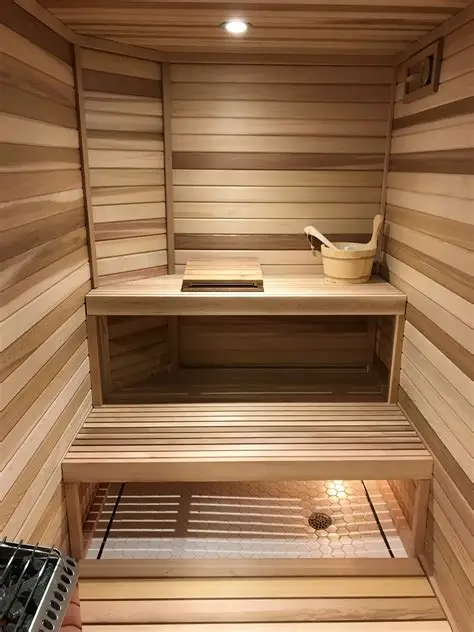
A sauna experience, whether at home or in a commercial setting, is profoundly shaped by its core component: the sauna bench. Far more than just a place to sit, the sauna bench is central to comfort, safety, and the overall aesthetic of your heat therapy sanctuary. Understanding the nuances of sauna bench design, material, and maintenance is crucial for anyone looking to build, refurbish, or simply appreciate a well-crafted sauna.
This comprehensive guide delves into every aspect of the sauna bench, from the types of wood best suited for the extreme conditions of a sauna to the considerations for installation and long-term care. We’ll explore how different materials perform under heat and humidity, discuss ergonomic principles for optimal relaxation, and provide practical advice to ensure your sauna bench remains a comfortable and hygienic focal point for years to come.
The Foundation: Understanding Sauna Bench Materials
Choosing the right material for your sauna bench is perhaps the most critical decision. The unique environment of a sauna, characterized by high temperatures and fluctuating humidity, demands materials that can withstand these conditions without warping, cracking, or releasing harmful substances. While various materials can be used, wood remains the undisputed champion due to its low thermal conductivity, aesthetic appeal, and natural resistance to decay.
Ideal Wood Choices for Sauna Benches:
- Abachi (African Aspen): This is a highly popular choice due to its exceptionally low thermal conductivity. Abachi remains cool to the touch even at high sauna temperatures, preventing discomfort or burns. It’s also knot-free, lightweight, and has a smooth, splinter-resistant surface, making it ideal for direct contact. Its light color contributes to a bright, airy sauna interior.
- Aspen: Similar to Abachi, Aspen is another excellent option for its low thermal conductivity and smooth texture. It’s a light-colored wood that is stable in high humidity and temperature, resisting warping and cracking. Aspen is also non-allergenic and resin-free, making it a safe and comfortable choice for sensitive skin.
- Cedar (Western Red Cedar): Renowned for its aromatic scent, Western Red Cedar is a beautiful and durable wood for sauna benches. It has natural resistance to decay and insects, and its stability in high humidity is exceptional. While it has a slightly higher thermal conductivity than Abachi or Aspen, it’s still comfortable to the touch. Its rich color and distinctive grain add a luxurious feel to any sauna.
- Basswood: A softer wood, Basswood is another good option for sauna benches due to its light color, fine grain, and resistance to splintering. It’s also relatively inexpensive, making it a budget-friendly choice without significantly compromising on comfort or durability. Like Abachi and Aspen, it has low thermal conductivity.
- Poplar: Similar to Basswood, Poplar is a light-colored, fine-grained wood that is relatively stable and has low thermal conductivity. It’s often used as an alternative to more expensive woods, providing a comfortable and safe seating surface.
Woods to Avoid or Use with Caution:
- Pine or Spruce: While common and inexpensive, these woods are generally not recommended for sauna benches. They tend to have higher resin content, which can ooze out at high temperatures, creating sticky, uncomfortable, and potentially burning surfaces. They also have a coarser grain and can splinter more easily.
- Treated Lumber: Absolutely avoid any pressure-treated lumber. The chemicals used in treatment can off-gas at high temperatures, posing serious health risks.
Sauna Bench Design Principles: Comfort, Safety, and Functionality
Beyond material, the design of your sauna bench plays a crucial role in the overall sauna experience. Thoughtful design considers ergonomics, safety, and the practicalities of a humid, hot environment.
Ergonomics and Comfort:
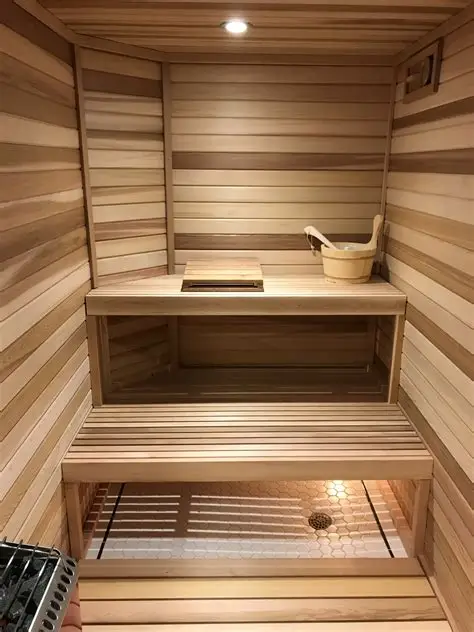
- Height and Depth: Standard sauna benches are typically arranged in tiers. The lowest bench is usually around 18-24 inches (45-60 cm) from the floor, and subsequent benches are placed 18-24 inches above the one below. This allows users to choose their desired heat level, as heat rises. Bench depth should be sufficient for comfortable seating, typically 18-24 inches (45-60 cm), with deeper benches (up to 30 inches or 75 cm) on the top tier for reclining.
- Spacing Between Slats: The individual wooden slats that form the bench surface should have small gaps between them (typically 1/4 to 1/2 inch or 0.6-1.2 cm). This allows for proper air circulation, drainage of perspiration, and prevents water from pooling, which can lead to mold and mildew.
- Smoothness: All surfaces of the sauna bench, especially those that come into direct contact with the body, must be sanded smooth and free of splinters. Chamfered or rounded edges enhance comfort and prevent accidental scrapes.
- Backrests and Headrests: While optional, a well-designed backrest can significantly enhance comfort, especially for longer sauna sessions. Removable headrests made from the same low-thermal-conductivity wood can also provide additional support for reclining.
Safety Considerations:
- Stability and Weight Bearing: The sauna bench must be robustly constructed to safely support the weight of multiple users. All fasteners should be corrosion-resistant stainless steel.
- Concealed Fasteners: Whenever possible, fasteners should be countersunk and plugged with matching wood or installed from underneath to prevent direct contact with hot metal. Hot metal can cause severe burns.
- Ventilation: Ensure that the design of the benches does not impede the sauna’s ventilation system. Proper airflow is essential for a comfortable and safe sauna environment.
- Accessibility: Consider accessibility, especially in commercial saunas. Lower benches or small steps can aid entry for individuals with mobility challenges.
Functionality and Aesthetics:
- Removable Sections: For ease of cleaning and maintenance, consider designing sauna benches with removable sections. This allows for thorough cleaning underneath and around the benches.
- Multi-level Design: Tiered benches are standard, offering different heat zones. A two- or three-tier system is common, allowing users to choose the intensity of their heat exposure.
- Integration with Sauna Design: The sauna bench should seamlessly integrate with the overall design of the sauna, complementing the wall paneling and lighting to create a harmonious and inviting space.
Building and Installing Your Sauna Bench
Whether you’re a DIY enthusiast or hiring a professional, understanding the construction and installation process for a sauna bench is vital for ensuring its longevity and safety.
Construction Tips:
- Use Stainless Steel Fasteners: As mentioned, only use stainless steel screws, nails, or bolts. Other metals will corrode in the humid sauna environment and can also conduct heat, posing a burn risk.
- Pre-drill Holes: Always pre-drill pilot holes to prevent splitting the wood, especially with softer sauna woods.
- Proper Joinery: Strong joinery techniques, such as mortise and tenon or robust lap joints, will ensure the structural integrity of the sauna bench. For simpler designs, sturdy cleats and screws are often sufficient.
- Allow for Expansion: Wood expands and contracts with changes in temperature and humidity. Do not build the sauna bench too tightly against walls; leave small gaps (e.g., 1/8 inch or 3mm) to allow for natural movement.
Installation Best Practices:
- Secure Wall Mounting: If benches are wall-mounted, ensure they are securely fastened to structural studs using appropriate fasteners. The weight of multiple users must be considered.
- Leveling: Use a level to ensure all benches are perfectly horizontal. An uneven bench is uncomfortable and can appear poorly constructed.
- Clearances: Maintain adequate clearance around the sauna heater as per the manufacturer’s instructions. Wooden benches should not be too close to heating elements.
- Modular vs. Fixed: Decide whether you want fixed benches or modular, removable sections. Modular benches offer easier cleaning and reconfiguration but require careful design to ensure stability.
Maintaining Your Sauna Bench: Longevity and Hygiene
Proper maintenance is essential to keep your sauna bench hygienic, comfortable, and aesthetically pleasing for many years. The high heat and humidity, combined with perspiration, create an environment where mold, mildew, and bacteria can thrive if not regularly addressed.
Regular Cleaning:
- Daily Wipe-Down: After each sauna session, it’s beneficial to wipe down the sauna bench with a clean cloth or towel. This removes much of the surface perspiration and helps prevent staining.
- Weekly or Bi-Weekly Wash: For household saunas, a more thorough cleaning should be done weekly or bi-weekly depending on usage. Use a mild soap or a specialized sauna cleaning solution diluted in water. Scrub the benches gently with a soft brush, focusing on areas with direct body contact.
- Rinse Thoroughly: After washing, rinse the benches thoroughly with clean water to remove all soap residue.
- Ventilate and Dry: The most crucial step after cleaning is to allow the sauna bench to dry completely. Open the sauna door and ventilation system to facilitate airflow. A dry sauna bench is less prone to mold and mildew growth.
Deep Cleaning and Sanitization:
- Monthly or Quarterly Scrub: For heavy use or commercial saunas, a deeper scrub with a stronger, yet still sauna-safe, cleaner might be necessary monthly or quarterly. Follow product instructions carefully.
- Sanding (Annually/Bi-Annually): Over time, the wood grain on the sauna bench can become rough due to repeated wetting and drying, and minor stains may develop. Lightly sanding the benches with fine-grit sandpaper (e.g., 180-220 grit) can restore their smooth surface and refresh their appearance. Always sand along the grain.
- Disinfection (If Needed): If there’s a concern about bacterial growth, a diluted solution of hydrogen peroxide or a specialized sauna disinfectant can be used. Always test on an inconspicuous area first and ensure thorough rinsing and drying.
Preventative Measures:
- Use Bench Towels: Encourage or require the use of bench towels. Placing a towel on the sauna bench before sitting or lying down significantly reduces direct contact with perspiration, thus minimizing staining and the accumulation of body oils.
- Ventilation After Use: Always leave the sauna door slightly ajar and ensure the ventilation system is open after use to allow the interior, including the sauna bench, to dry out completely.
- Avoid Harsh Chemicals: Never use harsh chemical cleaners, bleach, or ammonia-based products on your sauna bench. These can damage the wood, release toxic fumes when heated, and compromise the natural properties of the wood.
- No Varnish or Sealants: Do not varnish, paint, or seal your sauna bench. These coatings will become extremely hot, peel, and can release harmful VOCs (Volatile Organic Compounds) when heated. The natural wood needs to breathe and absorb moisture.
Common Issues and Troubleshooting for Sauna Benches
Even with the best materials and maintenance, issues can occasionally arise with a sauna bench. Knowing how to identify and address these can save you time and preserve your sauna’s integrity.
Warping or Cracking:
- Cause: Often due to inconsistent drying, improper material selection (e.g., high-resin wood), or extreme temperature fluctuations without proper acclimation.
- Solution: For minor warping, sometimes repositioning or adding support can help. For significant warping or cracking, replacement of the affected slats or sections may be necessary. Ensure proper ventilation after use to allow for even drying.
Staining and Discoloration:
- Cause: Perspiration, body oils, and minerals in water can lead to dark spots or general discoloration over time.
- Solution: Regular cleaning with a mild sauna cleaner is the best preventative. For existing stains, light sanding can often remove surface discoloration. For deeper stains, a specialized wood cleaner designed for saunas might be needed, followed by thorough rinsing.
Mold and Mildew Growth:
- Cause: Insufficient drying and poor ventilation after sauna use, especially in humid environments.
- Solution: Address the root cause by improving ventilation and ensuring the sauna bench dries completely. For existing mold, scrub with a diluted solution of white vinegar or a sauna-safe mold remover. Rinse well and dry thoroughly. Regular use of bench towels also helps.
Splintering:
- Cause: Natural wear and tear, rough handling, or using wood with a tendency to splinter (e.g., certain types of cedar if not properly finished).
- Solution: Lightly sand the affected areas with fine-grit sandpaper until smooth. Regularly inspect the sauna bench for any rough spots and address them promptly to prevent injury.
Loose or Wobbly Benches:
- Cause: Loose fasteners, degraded wood where fasteners are attached, or inadequate structural support.
- Solution: Inspect all fasteners. Tighten any loose screws or replace them with longer or thicker stainless steel ones if the wood has stripped. If the structural support is compromised, reinforce or rebuild the affected section of the sauna bench.
The Role of the Sauna Bench in the Overall Sauna Experience
Ultimately, the sauna bench is more than just a piece of furniture; it’s an integral part of the therapeutic experience. A well-designed, properly maintained sauna bench provides a safe, comfortable, and hygienic surface for relaxation and rejuvenation. It allows users to fully surrender to the heat, promoting detoxification, stress relief, and improved circulation.
From the soothing aroma of cedar to the cool touch of Abachi, the choice of material profoundly influences sensory perception. The ergonomic design ensures that the body is supported comfortably, allowing muscles to relax and tension to dissipate. Furthermore, a clean and well-kept sauna bench instills confidence and enhances the overall sense of well-being within the sauna environment.
Investing time and care into selecting, installing, and maintaining your sauna bench is an investment in the quality and longevity of your sauna. By adhering to the principles outlined in this guide, you ensure that your sauna remains a sanctuary of health and tranquility, centered around a perfect and inviting sauna bench for every session.
Leave a Reply