
The tranquil warmth of a sauna offers a sanctuary from the stresses of daily life, a place for relaxation, rejuvenation, and health benefits. While the core experience of heat and steam remains timeless, the technology behind managing that experience has evolved significantly. Modern sauna controls are no longer just simple on/off switches; they are sophisticated interfaces designed to offer precision, convenience, and enhanced safety, transforming a good sauna session into an exceptional one. Sauna Controls
From traditional mechanical dials to advanced digital touchscreens, the way we interact with our saunas has become more intuitive and customizable. Understanding these controls is not just about turning on the heat; it’s about mastering your environment, tailoring the temperature, humidity, and even lighting to your exact preferences. This comprehensive guide will delve into the world of sauna controls, exploring their evolution, types, functionalities, and best practices for creating your perfect sauna sanctuary.
The Evolution of Sauna Controls: From Basic to Brilliant
Early saunas, often heated by wood-burning stoves, relied on manual intervention to regulate heat – adding more wood or adjusting ventilation. As electric heaters became prevalent, so too did the need for more precise control. Initially, these were simple mechanical timers and thermostats, often located directly on the heater unit.
The progression moved towards external mechanical controls, allowing users to adjust settings from outside the hot room. This was a significant step in convenience and safety. Fast forward to today, and we see an impressive array of digital and even smart controls that offer unparalleled levels of customization and remote access. This evolution reflects a broader trend in home technology, where user experience, energy efficiency, and integration are paramount. Sauna Controls
Key Milestones in Control Development:
- Mechanical Dials: The foundational controls, offering basic temperature and time settings.
- External Mechanical Controls: Moving the interface out of the sauna for easier adjustment.
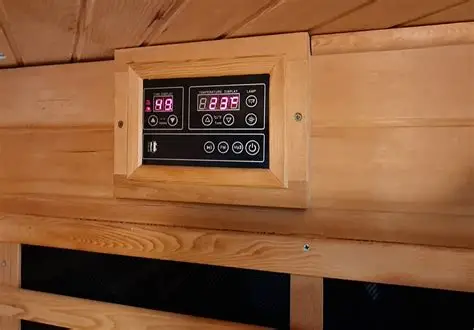
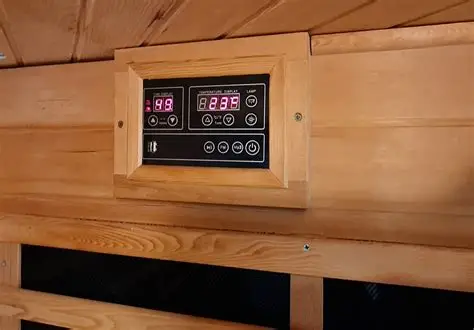
- Basic Digital Controls: Introducing LED displays and push buttons for more precise settings.
- Advanced Digital Touchscreens: Offering intuitive graphical interfaces, multiple functions, and presets.
- Smart Sauna Controls: Integrating with home networks, mobile apps, and voice assistants for remote operation and advanced scheduling. Sauna Controls
Types of Sauna Controls: Choosing Your Interface
The market offers a diverse range of sauna control systems, each with its own advantages and ideal applications. Your choice will depend on factors such as your budget, desired level of sophistication, sauna type (traditional, infrared, steam), and personal preference for user interface. Sauna Controls
1. Mechanical Controls
These are the most traditional and often the most budget-friendly option. Mechanical controls typically feature rotary dials for setting temperature and time. They are robust, reliable, and straightforward to operate, making them a popular choice for basic home saunas and some commercial applications where simplicity is key. Sauna Controls
- Pros: Durable, easy to understand, cost-effective, no complex wiring.
- Cons: Less precise temperature control, limited features, often located directly on the heater or with a basic external unit.
- Ideal for: Users who prefer a no-frills, reliable system and don’t require advanced features. Sauna Controls
2. Basic Digital Controls
Stepping up from mechanical, basic digital controls introduce a small digital display and push buttons. These offer more precise temperature settings, often in one-degree increments, and more accurate timing. They typically include features like a pre-set timer, allowing you to schedule your sauna to turn on at a later time. Sauna Controls
- Pros: More precise temperature and time settings, often include a pre-set timer, clear digital display.
- Cons: Limited aesthetic options, fewer advanced features compared to touchscreens.
- Ideal for: Those seeking more precision than mechanical controls without the complexity or cost of advanced systems.
3. Advanced Digital Touchscreen Controls
These represent the modern standard for many high-end home and commercial saunas. Touchscreen controls offer a sleek, intuitive interface with a graphical display. They often come packed with additional features beyond just temperature and time, such as lighting control (including color therapy), fan control, and even humidity management for steam saunas. Sauna Controls
- Pros: Highly intuitive user interface, precise control over multiple functions, modern aesthetic, often programmable presets.
- Cons: Higher cost, can be more complex to install, potential for fingerprints on the screen.
- Ideal for: Users who value a modern, feature-rich experience and aesthetic integration with their sauna design.
4. Smart Sauna Controls (Wi-Fi Enabled)
The pinnacle of modern sauna control technology, smart controls integrate your sauna into your home’s network. This allows for remote operation via a smartphone app, voice control through smart assistants (like Alexa or Google Assistant), and advanced scheduling. Imagine starting your sauna on your way home from work, so it’s perfectly heated when you arrive!
- Pros: Unparalleled convenience and flexibility, remote operation, advanced scheduling, integration with smart home systems, often receive software updates.
- Cons: Highest cost, requires a stable Wi-Fi connection, initial setup can be more involved.
- Ideal for: Tech-savvy users, those with busy lifestyles who want ultimate convenience, and commercial establishments looking for remote management.
Key Functionalities of Modern Sauna Controls
Beyond simply turning the heater on and off, contemporary sauna controls offer a wealth of features designed to enhance your experience. Understanding these functionalities will help you optimize your sauna sessions for maximum benefit and enjoyment.
Temperature Control
This is the most fundamental function. Modern controls allow for precise temperature settings, often within a range of 100°F to 200°F (38°C to 93°C) for traditional saunas, and lower for infrared. Digital controls provide accuracy, ensuring your sauna reaches and maintains your desired heat level consistently. Some advanced systems even allow for different temperature zones in larger saunas or specific heat profiles over time.
Session Timer
A crucial safety and convenience feature, the session timer allows you to set the duration of your sauna session. Once the time expires, the heater automatically shuts off. This prevents overheating and ensures you don’t accidentally leave the sauna running for extended periods. Timers typically range from 30 minutes to several hours, with a common maximum of 60 minutes for continuous use before requiring a reset for safety.
Delay Start / Pre-set Timer
This feature allows you to program your sauna to turn on at a future time. For example, you can set it to begin heating an hour before you typically finish work, ensuring it’s hot and ready precisely when you want it. This is a significant convenience feature, especially for busy individuals.
Lighting Control
Many modern sauna controls integrate lighting options. This can range from simple on/off switches for a single light fixture to sophisticated color therapy (chromotherapy) systems, where you can select specific colors or a rotating spectrum to influence your mood and relaxation. Dimming capabilities are also common, allowing you to create the perfect ambiance.
Fan / Ventilation Control
Proper ventilation is essential for a comfortable and healthy sauna environment. Some control units offer integrated fan control, allowing you to adjust the airflow within the sauna to manage humidity and introduce fresh air. This is particularly useful in larger saunas or those with specific ventilation requirements.
Humidity Control (for Steam Saunas / Saunariums)
For steam saunas, also known as steam rooms, or saunariums (which combine dry heat with steam), humidity control is paramount. These specialized controls manage a steam generator, allowing you to set the desired humidity level, often as a percentage. This creates a deeply moist heat experience, distinct from a traditional dry sauna.
Safety Features
Modern sauna controls are equipped with several safety mechanisms:
- High-Limit Shutoff: Prevents the sauna from exceeding a safe operating temperature, automatically cutting power if it gets too hot.
- Door Sensor (Optional): Some advanced systems can be connected to a door sensor, which will prevent the heater from starting or will shut it off if the sauna door is left open, conserving energy and preventing heat loss.
- Diagnostic Displays: Digital controls often provide error codes or status messages to help troubleshoot issues.
- Child Lock: Prevents accidental changes to settings, particularly useful in home environments.
Operating Your Sauna Controls: Best Practices
Getting the most out of your sauna means not just having advanced controls, but knowing how to use them effectively. Here’s a guide to best practices for operating your sauna controls for an optimal experience.
Familiarize Yourself with Your Specific Control Unit
Every manufacturer and model will have slightly different interfaces and features. Always start by reading your sauna control’s owner’s manual. It will provide specific instructions for setting temperature, time, and utilizing any unique functions your unit offers.
Setting the Temperature
Most traditional saunas operate comfortably between 160°F and 195°F (70°C and 90°C). Infrared saunas typically run cooler, from 120°F to 150°F (49°C to 66°C). Start at a lower temperature if you’re new to saunas and gradually increase it in subsequent sessions until you find your ideal comfort level. Remember that the temperature inside the sauna can vary slightly depending on your position (higher benches are hotter).
Preheating Your Sauna
Allow ample time for your sauna to preheat. An electric sauna heater typically takes 30-60 minutes to reach its set temperature, depending on its power, the size of the sauna, and ambient conditions. Using a delay start timer can ensure your sauna is perfectly ready when you are.
Using the Session Timer
For safety and optimal health benefits, limit your sauna sessions to 15-20 minutes. Set the session timer accordingly. If you wish to continue, exit the sauna, cool down, and then re-enter for another timed session. Never override the safety timer for extended, unsupervised use.
Optimizing Humidity (for Traditional Saunas)
While traditional saunas are primarily dry, adding a small amount of water to the hot rocks (known as löyly) can briefly increase humidity and provide a burst of steam. Do this sparingly and cautiously, using only water designed for sauna use. If your control system includes a humidity sensor, it will help you monitor the environment.
Leveraging Smart Features
If you have a Wi-Fi enabled control, download the manufacturer’s app. Explore its scheduling capabilities, remote start/stop functions, and any diagnostic tools. Setting up geofencing (where the sauna starts when you’re a certain distance from home) can add another layer of convenience.
Regular Maintenance and Cleaning
Keep your control panel clean. For touchscreens, use a soft, damp cloth. Avoid harsh chemicals that could damage the screen or buttons. Ensure that temperature sensors, typically located on a wall within the sauna, are clean and unobstructed for accurate readings.
Installation and Wiring Considerations for Sauna Controls
Proper installation of sauna controls is crucial for both safety and functionality. This is often a job best left to a qualified electrician, especially for high-voltage electric sauna heaters.
Electrical Requirements
Electric sauna heaters are high-power appliances, often requiring dedicated 240V circuits. The control unit itself, while usually low voltage for the user interface, connects to a contactor box that handles the high voltage to the heater. Ensure your electrical panel can support the heater’s wattage and that appropriate wiring gauges are used.
Placement of the Control Panel
The main control panel is typically installed outside the sauna room, at a convenient height. This allows for easy adjustment without entering the hot environment. For some basic mechanical controls, the unit might be directly on the heater or just outside the sauna door.
Temperature Sensor Placement
The temperature sensor is a critical component and must be placed correctly within the sauna room. Generally, it’s mounted on a side wall, 6-8 inches (15-20 cm) from the ceiling and at least 1 foot (30 cm) away from the heater. Avoid placing it directly above the heater or near ventilation openings, as this can lead to inaccurate readings and premature heater shutoff.
Wiring Diagrams
Always follow the manufacturer’s wiring diagrams precisely. These diagrams show how to connect the control panel to the contactor, the heater, the temperature sensor, and any other accessories like lights or fans. Incorrect wiring can be a fire hazard and damage your equipment.
Ventilation Requirements
While not strictly part of the controls, proper ventilation is critical for sauna operation and is often managed through the control system. Ensure your sauna has adequate intake and exhaust vents as per manufacturer guidelines to maintain air quality and prevent overheating of the heater components.
Troubleshooting Common Sauna Control Issues
Even with advanced controls, occasional issues can arise. Knowing how to troubleshoot common problems can save you time and potentially a service call.
Sauna Not Heating Up
- Check Power: Ensure the main power breaker to the sauna is on.
- Control Panel On: Verify the control panel is receiving power and is turned on.
- Timer Setting: Confirm the session timer is set for an adequate duration.
- High-Limit Reset: The high-limit safety cut-off may have tripped. Locate the reset button (often a small red button near the heater or behind a small cover) and press it firmly. This usually indicates the sauna got too hot, or the sensor was obstructed.
- Door Sensor: If your sauna has a door sensor, ensure the door is fully closed and the sensor is functioning correctly.
- Heater Elements: If only part of the heater is getting hot, one or more heating elements may have failed. This typically requires professional replacement.
Temperature Inconsistent or Too Low/High
- Sensor Placement/Obstruction: Check that the temperature sensor is correctly placed and not blocked by towels or other items.
- Ventilation: Excessive ventilation can lead to lower temperatures. Ensure vents are properly adjusted.
- Sauna Size vs. Heater Power: If the sauna is too large for the heater’s wattage, it may struggle to reach the desired temperature.
- Control Calibration: In rare cases, the control unit’s temperature calibration might be off. Consult the manual or a professional.
Control Panel Not Responding
- Power Cycle: Try turning off the main power to the sauna at the breaker for a few minutes, then turning it back on. This can often reset the control unit.
- Loose Connections: If recently installed or moved, check for any loose wiring connections to the control panel (only if you are qualified to do so).
- Software Glitch (Smart Controls): For Wi-Fi enabled controls, check for app updates or try restarting your home router.
Error Codes
Many digital controls display error codes when a problem occurs. Refer to your owner’s manual for a list of these codes and their corresponding troubleshooting steps. Common codes relate to sensor errors, high-limit trips, or communication issues.
The Future of Sauna Controls: Smart Integration and Personalization
The trajectory of sauna controls points towards even greater integration, intelligence, and personalization. Expect to see more advanced features that make the sauna experience not just relaxing, but also seamlessly integrated into a holistic wellness routine.
Voice Control and AI Integration
Further integration with smart home ecosystems means more sophisticated voice commands, allowing users to fine-tune settings with natural language. AI could potentially learn user preferences over time, automatically adjusting temperature, light, and even aroma based on previous sessions or even biometric data.
Biometric Feedback
Imagine a sauna that monitors your heart rate and skin temperature, automatically adjusting the heat to optimize your cardiovascular response or ensure you stay within a safe zone. Wearable technology could feed data directly to your sauna controls, creating a truly personalized and health-optimized session.
Advanced Presets and Wellness Programs
Beyond simple temperature and time, future controls could offer pre-programmed wellness routines: a ‘detox’ program with specific heat and humidity cycles, a ‘recovery’ program with gentle heat and soothing light, or a ‘sleep prep’ program. These could be developed by wellness experts and updated via software.
Energy Management and Sustainability
As energy efficiency becomes increasingly important, sauna controls will likely incorporate more sophisticated energy management features. This could include real-time energy consumption monitoring, smart scheduling based on electricity rates, and integration with solar power systems.
Modular and Customizable Interfaces
The physical control interface itself might become more modular, allowing users to choose and arrange specific control modules (e.g., a dedicated light panel, a separate fan control) that best suit their aesthetic and functional needs, rather than a single, fixed panel.
From the simplicity of mechanical dials to the sophistication of smart touchscreens, sauna controls have come a long way. They are no longer just functional necessities but integral components that define and enhance your sauna experience. By understanding the different types, their features, and how to use them effectively, you can unlock the full potential of your sauna, creating a personalized oasis of warmth and well-being. Embrace the technology, prioritize safety, and enjoy the journey to ultimate relaxation.
Leave a Reply