
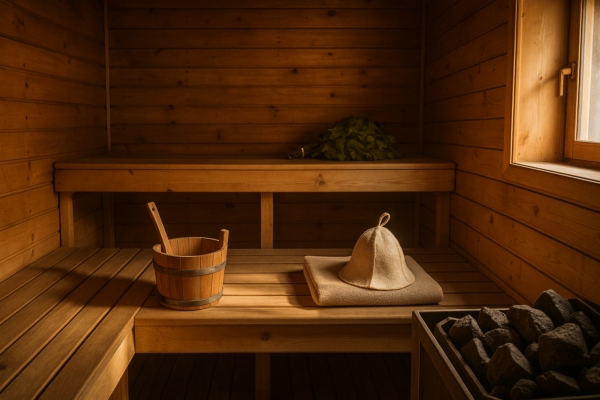
In an increasingly fast-paced world, the quest for genuine relaxation and holistic well-being often leads us back to time-honhonored practices. Among these, the traditional sauna stands out as a beacon of health and tranquility. More than just a heated room, a traditional sauna offers a unique blend of physical rejuvenation, mental clarity, and social connection that has been cherished across cultures for centuries. From the steamy embrace of a Finnish savusauna to the dry heat of an infrared cabin, the core principle remains: using heat to promote sweating, detoxification, and profound relaxation.
This deep dive will explore the fascinating history, undeniable health benefits, and practical considerations of incorporating traditional sauna into your lifestyle. Whether you’re a seasoned sauna enthusiast or curious newcomer, prepare to uncover why this ancient ritual continues to be a cornerstone of wellness for millions around the globe.
A Journey Through Time: The History and Cultural Significance of Traditional Sauna
The origins of the traditional sauna are deeply rooted in human history, dating back thousands of years. While often associated primarily with Finland, where it holds an almost sacred status, similar heat bathing practices have been found in various forms across different civilizations. Early saunas were often simple pits dug into the earth, covered with animal skins, and heated with stones over a fire. Water was then thrown onto the hot stones to create steam, a process known as löyly in Finnish.
The Finnish Sauna: A Cultural Pillar
Finland is undeniably the heartland of the traditional sauna. For Finns, the sauna is not merely a luxury; it is an integral part of their national identity and daily life. It has historically served multiple purposes:
- Hygiene: Before modern plumbing, the sauna was the primary place for bathing and cleansing.
- Healing: It was used for therapeutic purposes, from easing muscle aches to treating various ailments.
- Childbirth: Saunas were often considered the most sterile and warm place for women to give birth.
- Social Hub: It served as a place for families and communities to gather, discuss important matters, and strengthen bonds.
- Spiritual Cleansing: Many Finns view the sauna as a place for mental and spiritual purification, often associated with a sense of peace and contemplation.
The types of Finnish saunas have also evolved, from the smoke sauna (savusauna), which is heated directly by a wood fire and filled with fragrant smoke, to modern electric and wood-burning saunas. Despite technological advancements, the essence of the experience remains unchanged.
Global Variations of Heat Bathing
While Finland perfected the steam-based sauna, other cultures developed their own unique heat bathing traditions:
- Russian Banya: Similar to the Finnish sauna, but often incorporates vigorous whisking with birch branches (venik) and alternating hot and cold plunges.
- Turkish Hammam: A public bathhouse focused on steam, washing, and massage, emphasizing relaxation and social interaction.
- Native American Sweat Lodge: A ceremonial structure used for spiritual purification, prayer, and healing, often involving heated stones and water.
- Japanese Sento/Onsen: Public bathhouses and natural hot springs, respectively, focused on cleanliness, relaxation, and communal bathing.
These diverse traditions highlight a universal human appreciation for the restorative power of heat and its role in promoting physical and spiritual well-being. The traditional sauna, in its various forms, has thus endured as a testament to its profound benefits.
The Science of Sweat: Unpacking the Health Benefits of Traditional Sauna
Beyond the cultural significance and enjoyable experience, a wealth of scientific research supports the numerous health benefits associated with regular traditional sauna use. The intense heat triggers a cascade of physiological responses that contribute to overall well-being.
Cardiovascular Health Enhancement
One of the most well-documented benefits of traditional sauna use is its positive impact on the cardiovascular system. When exposed to heat, your body responds similarly to moderate exercise:
- Increased Heart Rate: Your heart rate can increase to 100-150 beats per minute, depending on the duration and temperature.
- Blood Vessel Dilation: Blood vessels near the skin surface dilate to help dissipate heat, improving circulation.
- Improved Endothelial Function: Regular sauna use has been shown to improve the function of the inner lining of blood vessels, contributing to better blood pressure regulation.
- Lower Blood Pressure: Studies suggest that frequent sauna bathing can lead to a reduction in blood pressure, particularly in individuals with hypertension.
- Reduced Risk of Cardiovascular Disease: Long-term studies, particularly from Finland, have linked regular sauna use to a lower risk of sudden cardiac death, fatal coronary heart disease, and other cardiovascular events.
“Regular sauna bathing is associated with a reduced risk of cardiovascular disease, stroke, and all-cause mortality. This is likely due to its beneficial effects on blood pressure, vascular function, and inflammation.” – Dr. Jari Laukkanen, University of Eastern Finland
Detoxification and Skin Health
Sweating is the body’s natural mechanism for regulating temperature and eliminating waste products. A traditional sauna induces profuse sweating, which can contribute to detoxification:
- Elimination of Toxins: While the liver and kidneys are the primary organs for detoxification, sweat can help excrete heavy metals (e.g., lead, nickel, mercury, cadmium) and other environmental toxins from the body.
- Improved Skin Clarity: The increased blood flow to the skin and the cleansing action of sweat can help open pores, remove dead skin cells, and contribute to a healthier, clearer complexion.
- Enhanced Collagen Production: Some research suggests that heat stress can stimulate the production of heat shock proteins, which may indirectly support skin elasticity and repair.
Muscle Relaxation and Pain Relief
The warmth of a traditional sauna is incredibly effective for relaxing muscles and alleviating various types of pain:
- Muscle Relaxation: Heat causes muscles to relax, reducing tension and stiffness. This is particularly beneficial after physical exertion or for individuals with chronic muscle pain.
- Joint Pain Relief: The warmth can soothe aching joints, making it beneficial for conditions like arthritis and fibromyalgia.
- Improved Flexibility: Relaxed muscles and increased blood flow can contribute to improved range of motion and flexibility.
- Reduced Soreness: Sauna use after exercise can help reduce delayed onset muscle soreness (DOMS) by enhancing circulation and expediting waste product removal.
Stress Reduction and Mental Well-being
Perhaps one of the most immediate and universally appreciated benefits of a traditional sauna is its profound effect on mental well-being:
- Deep Relaxation: The quiet, warm environment promotes a state of deep relaxation, allowing the mind to unwind and stress to melt away.
- Improved Sleep: The relaxation induced by a sauna session, coupled with the subsequent cooling of the body, can lead to more restful and deeper sleep.
- Endorphin Release: The body’s response to heat can trigger the release of endorphins, natural mood elevators that contribute to feelings of well-being and can help alleviate feelings of anxiety and depression.
- Mindfulness: The distinct environment of a sauna encourages mindfulness, prompting individuals to focus on their breath and bodily sensations, detaching from daily worries.
Respiratory Benefits
For some individuals, the warm, humid air of a traditional sauna can offer respiratory relief:
- Clear Airways: The heat and humidity can help open up airways, making breathing easier and potentially alleviating symptoms of congestion, asthma, and bronchitis.
- Reduced Allergy Symptoms: By clearing nasal passages and reducing inflammation, some individuals find relief from allergy symptoms.
Immune System Support
While more research is needed, some studies suggest that regular sauna use may bolster the immune system:
- Increased White Blood Cell Production: The heat stress can stimulate the production of white blood cells, which are crucial for fighting off infections.
- Fever-like Effect: The temporary increase in body temperature mimics a fever, which is the body’s natural defense mechanism against pathogens.
Types of Traditional Sauna: Finding Your Perfect Heat
When people refer to a “traditional sauna,” they typically mean a room heated by a stove with rocks, where water can be thrown onto the rocks to create steam. However, there are nuances within this category, and it’s also important to distinguish them from other heat therapies.
Wood-Burning Saunas
These are considered the most authentic traditional saunas, particularly in rural settings. A wood-burning stove heats rocks, and the experience often includes the crackling sound of burning wood and the distinct aroma of smoke, especially in a smoke sauna (savusauna).
- Pros: Authentic experience, rich aroma, no electricity needed, deep heat.
- Cons: Requires firewood, more effort to maintain heat, smoke saunas are complex to build and operate.
Electric Saunas
The most common type of traditional sauna in homes and commercial facilities today. An electric heater heats the rocks, providing a consistent and easily controllable temperature. Water can still be ladled onto the stones for steam.
- Pros: Convenient, easy to use, precise temperature control, faster heating time than wood-burning.
- Cons: Requires electricity, lacks the rustic charm of wood-burning.
Infrared Saunas: A Modern Alternative (and Distinction)
While often grouped with saunas, infrared saunas operate on a fundamentally different principle. Instead of heating the air, infrared heaters emit light waves that directly penetrate the body, raising core body temperature at lower ambient air temperatures.
- Traditional Sauna: Heats the air, then the air heats the body. High ambient temperatures (160-200°F / 70-95°C). Produces steam (löyly).
- Infrared Sauna: Heats the body directly with radiant heat. Lower ambient temperatures (120-150°F / 50-65°C). No steam.
Both offer health benefits, but the experience and physiological responses differ. Traditional saunas provide a more intense heat stress and a greater cardiovascular workout due to the higher ambient temperatures and steam.
Designing Your Own Traditional Sauna Experience
Whether you’re building one from scratch or visiting a public facility, understanding the components of a good traditional sauna experience is key.
Essential Elements of a Traditional Sauna
- The Heater (Kiuka): The heart of the sauna, whether electric or wood-burning, designed to hold a significant amount of rocks.
- Sauna Rocks: Typically olivine or peridotite, these rocks are specifically chosen for their ability to withstand high temperatures and retain heat.
- Wood Interior: Cedar, aspen, hemlock, and spruce are common choices due to their low thermal conductivity (they don’t get too hot to touch), pleasant aroma, and resistance to rot.
- Proper Ventilation: Crucial for air circulation, preventing stuffiness, and ensuring a comfortable, healthy environment.
- Benches: Typically tiered, allowing users to choose their preferred heat level (higher benches are hotter).
- Bucket and Ladle: Essential for pouring water onto the hot stones to create steam (löyly).
Sauna Etiquette and Best Practices
To maximize the benefits and ensure a pleasant experience for everyone, consider these guidelines:
- Hydrate: Drink plenty of water before and after your session.
- Shower First: Cleanse your body before entering the sauna.
- Listen to Your Body: Start with shorter sessions (5-10 minutes) and gradually increase as you become accustomed to the heat.
- Take Breaks: It’s common to alternate between sauna sessions and cooling periods (cold showers, dips, or simply resting in cooler air).
- Use a Towel: Sit on a towel for hygiene and comfort.
- Silence or Quiet Conversation: Respect the peaceful atmosphere.
- Avoid Alcohol: Do not consume alcohol before or during sauna use.
- No Food: Refrain from eating in the sauna.
- Cool Down Slowly: Allow your body to cool down gradually after your final session.
Safety Considerations and Who Should Exercise Caution
While generally safe for most healthy individuals, certain precautions should be taken, and some groups should avoid or consult a doctor before using a traditional sauna.
General Safety Tips
- Limit Session Time: Typically 15-20 minutes per session is sufficient.
- Avoid Overheating: If you feel dizzy, nauseous, or lightheaded, exit the sauna immediately.
- Stay Hydrated: Dehydration is a significant risk.
- Avoid Alcohol and Drugs: These can impair your ability to regulate body temperature and increase risks.
- Supervise Children: Children should always be supervised and have shorter, cooler sessions.
Who Should Exercise Caution or Avoid Saunas
- Pregnant Women: Consult a doctor due to potential risks of overheating.
- Individuals with Heart Conditions: Those with unstable angina, recent heart attack, severe aortic stenosis, or uncontrolled high blood pressure should avoid saunas or seek medical advice.
- Low Blood Pressure: Individuals prone to fainting due to low blood pressure should be cautious.
- Certain Medications: Medications that affect blood pressure or cause drowsiness can increase risks.
- Acute Illnesses: Avoid saunas if you have a fever, infection, or are feeling unwell.
- Open Wounds or Skin Conditions: Can exacerbate some skin issues.
Always err on the side of caution and consult with a healthcare professional if you have any underlying health conditions or concerns.
Integrating Traditional Sauna into Your Wellness Routine
Making traditional sauna a regular part of your life can yield significant long-term benefits. Consistency is often key to experiencing the full range of positive effects.
Frequency and Duration
For optimal cardiovascular benefits, studies often point to 4-7 sauna sessions per week, each lasting 15-20 minutes, with alternating cooling periods. However, even 2-3 sessions a week can provide substantial benefits for relaxation and recovery. Find a frequency and duration that feels comfortable and sustainable for you.
Combining with Other Practices
The traditional sauna experience can be enhanced when combined with other wellness practices:
- Cold Plunge/Shower: Alternating hot and cold exposure is a classic sauna tradition, known to invigorate the body, improve circulation, and boost mood.
- Mindfulness/Meditation: The quiet, warm environment is ideal for practicing mindfulness or meditation.
- Stretching: Gentle stretching in between sauna rounds can further relax muscles and improve flexibility.
- Massage: A sauna session before a massage can help relax muscles, making the massage more effective.
Creating Your Home Sauna Sanctuary
For those serious about regular sauna use, installing a home traditional sauna is an excellent investment in personal wellness. Options range from pre-fabricated kits to custom-built designs, allowing you to create a personalized sanctuary tailored to your preferences and space.
The traditional sauna, with its deep roots in history and its myriad of scientifically supported health benefits, offers a profound pathway to enhanced well-being. From stress reduction and cardiovascular health to muscle relaxation and detoxification, its holistic appeal is undeniable. As we navigate the complexities of modern life, embracing this ancient ritual can provide a much-needed haven for rest, rejuvenation, and a deeper connection to our physical and mental selves. Consider making the traditional sauna a cornerstone of your personal wellness journey.
Leave a Reply