
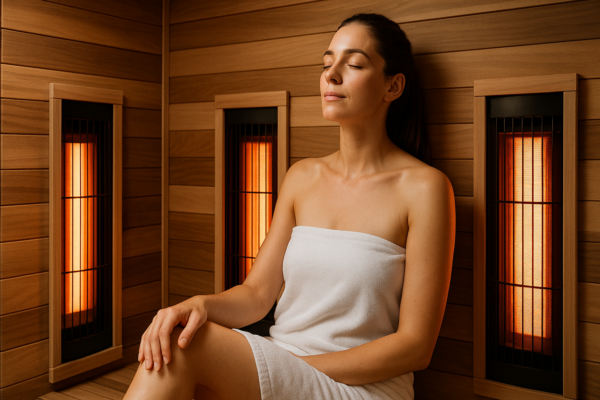
In the pursuit of holistic well-being, many individuals are turning to innovative therapies that offer a blend of relaxation and robust health benefits. Among these, the infrared sauna stands out as a sophisticated evolution of traditional heat bathing. Unlike conventional saunas that heat the air around you, infrared saunas use advanced light technology to directly warm your body, creating a deeply penetrating heat that offers a unique therapeutic experience.
This comprehensive guide will explore the fascinating science behind infrared saunas, dissect their myriad health advantages, and provide practical insights for anyone considering integrating this powerful tool into their daily wellness regimen. Whether you’re a seasoned health enthusiast or new to the world of heat therapy, understanding the nuances of infrared technology can unlock a new dimension of health and vitality.
Understanding Infrared Technology: How Infrared Saunas Work
To truly appreciate the benefits of an infrared sauna, it’s essential to understand the underlying technology. Infrared light is part of the electromagnetic spectrum, falling just beyond the visible red light. It’s the same type of heat you feel from the sun, without the harmful UV rays. Infrared saunas utilize special heaters to emit this radiant heat, which is then absorbed by the body.
Types of Infrared Saunas
- Far Infrared (FIR): This is the most common type. FIR waves penetrate the deepest into the body, reaching tissues and cells. They are known for their ability to induce a deep sweat at lower ambient temperatures compared to traditional saunas.
- Mid Infrared (MIR): MIR waves offer a medium depth of penetration. They are often associated with increased circulation and pain relief. Some saunas combine FIR and MIR for a broader range of effects.
- Near Infrared (NIR): NIR has the shortest wavelength and penetrates the shallowest. It’s often used for cellular regeneration, wound healing, and skin rejuvenation, sometimes with LED lights in addition to traditional heaters.
Many modern infrared saunas offer a full spectrum experience, combining all three types of infrared wavelengths to provide a comprehensive range of therapeutic benefits. This allows users to target specific health concerns or enjoy a more generalized wellness boost. The key distinction from traditional saunas is that infrared saunas heat the body directly, not just the air, leading to a more efficient and often more comfortable heat experience.
The Health Benefits of Regular Infrared Sauna Use
The popularity of infrared saunas stems from an impressive array of potential health benefits, supported by both anecdotal evidence and emerging scientific research. These benefits span various physiological systems, contributing to overall well-being.
Detoxification and Purification
One of the most widely cited benefits of infrared sauna therapy is its potential for detoxification. Sweating is a natural and effective way for the body to eliminate toxins. Studies suggest that sweat induced by infrared saunas may contain higher concentrations of heavy metals, environmental chemicals, and other toxins compared to sweat from exercise or traditional saunas. This deep, penetrating heat encourages a profuse sweat, helping the body purge impurities accumulated from diet, environment, and lifestyle.
Pain Relief and Muscle Recovery
For individuals suffering from chronic pain, arthritis, or muscle soreness, infrared saunas can offer significant relief. The deep heat penetrates muscles and joints, increasing blood flow and reducing inflammation. This enhanced circulation delivers oxygen and nutrients to damaged tissues, promoting healing and reducing stiffness. Athletes often use infrared saunas post-workout to accelerate muscle recovery, alleviate delayed onset muscle soreness (DOMS), and improve flexibility.
Stress Reduction and Relaxation
The soothing warmth of an infrared sauna creates a deeply relaxing environment, helping to alleviate stress and promote mental well-being. The gentle heat can stimulate the parasympathetic nervous system, responsible for the body’s ‘rest and digest’ functions. Regular sessions can lead to reduced cortisol levels (the stress hormone), improved mood, and better sleep quality. Many users report feeling a profound sense of calm and rejuvenation after a session.
Cardiovascular Health Improvement
Infrared sauna use has been linked to improvements in cardiovascular health. The heat causes the heart rate to increase and blood vessels to dilate, mimicking the effects of a mild cardiovascular workout. This can lead to improved circulation, lower blood pressure, and enhanced endothelial function. Regular exposure to this type of heat stress can condition the cardiovascular system, potentially reducing the risk of heart disease.
Skin Health and Anti-Aging Effects
The increased circulation and detoxification benefits extend to skin health. By promoting blood flow to the skin’s surface and encouraging the removal of impurities through sweat, infrared saunas can contribute to a clearer, healthier complexion. Some studies suggest that near-infrared light, in particular, may stimulate collagen production, leading to improved skin elasticity, reduced wrinkles, and a more youthful appearance.
Weight Management Support
While not a magic bullet for weight loss, infrared saunas can support weight management efforts. The elevated heart rate and increased metabolic activity during a session burn calories. Furthermore, by reducing stress and improving sleep, saunas can indirectly help with weight control, as chronic stress and poor sleep are often linked to weight gain. The detoxification aspect may also aid in reducing the body’s toxic burden, which can sometimes impede healthy metabolic function.
Integrating Infrared Sauna into Your Wellness Routine
To maximize the benefits of an infrared sauna, thoughtful integration into your lifestyle is key. This involves understanding best practices for use, session frequency, and important safety considerations.
Pre-Session Preparation
- Hydration: Drink plenty of water before, during, and after your session. Sweating profusely can lead to dehydration.
- Cleanliness: Take a quick shower before entering to remove lotions, oils, and dirt from your skin, which can impede sweating and clog pores.
- Comfort: Wear loose, comfortable clothing or a towel. Have a separate towel to sit on and another to wipe away sweat.
During Your Session
- Duration: Start with shorter sessions (10-15 minutes) and gradually increase as your body adapts, typically up to 30-45 minutes.
- Temperature: Infrared saunas operate at lower temperatures (100-150°F or 38-66°C) than traditional saunas. Find a temperature that feels comfortable and allows for deep sweating.
- Relaxation: Use the time for meditation, deep breathing, or simply quiet contemplation. Avoid electronic devices if possible, to fully embrace the relaxation.
Post-Session Care
- Rehydrate: Continue to drink water, electrolyte-rich beverages, or coconut water to replenish lost fluids and minerals.
- Cool Down: Allow your body to cool down gradually. A lukewarm shower can help rinse off sweat and normalize body temperature.
- Nourish: Consider a healthy meal or snack rich in nutrients to support your body’s recovery.
Frequency and Consistency
For optimal results, consistency is important. Many users find benefit from 2-4 sessions per week. However, individual needs and goals will dictate the ideal frequency. Listen to your body and adjust as necessary.
Choosing the Right Infrared Sauna for Your Home or Facility
If you’re considering purchasing an infrared sauna, several factors come into play, from size and type to material and electromagnetic field (EMF) levels. Making an informed decision ensures you get a product that meets your needs and provides a safe, effective experience.
Key Considerations for Purchase
- Size and Capacity: Saunas range from compact single-person units to larger models accommodating multiple people. Consider available space and how many users will typically use it.
- Heater Type: Different heater materials (ceramic, carbon, or a combination) affect the infrared wavelength output and heat distribution. Carbon heaters generally offer a more even heat and lower surface temperature, while ceramic can be more intense. Full-spectrum options provide the most versatility.
- Wood Type: Common woods include cedar, basswood, and hemlock. Cedar is known for its aroma and durability, while basswood and hemlock are often preferred for those with sensitivities to strong scents. Ensure the wood is non-toxic and sustainably sourced.
- EMF Levels: All electrical devices emit electromagnetic fields (EMF). Look for saunas that specifically advertise low EMF or ultra-low EMF heaters to minimize exposure, especially if you plan frequent or long sessions.
- Features and Controls: Consider features like chromotherapy (color light therapy), built-in sound systems, ergonomic seating, and user-friendly digital controls for temperature and timer settings.
- Ventilation: Proper ventilation is crucial for air circulation and preventing moisture buildup.
- Power Requirements: Be aware of the electrical requirements for installation. Some larger units may require a dedicated circuit.
- Warranty and Customer Support: A good warranty and responsive customer service are indicators of a reputable manufacturer.
Professional Installation vs. DIY
Many home infrared saunas are designed for relatively easy DIY assembly. However, for larger or more complex units, or if you’re unsure about electrical connections, professional installation might be a wise investment to ensure safety and proper functionality.
Safety Guidelines and Contraindications
While generally safe for most healthy individuals, there are important safety guidelines and contraindications to be aware of before using an infrared sauna.
General Safety Tips
- Listen to Your Body: If you feel dizzy, lightheaded, or unwell, exit the sauna immediately.
- Stay Hydrated: As mentioned, proper hydration is paramount to prevent dehydration.
- Avoid Alcohol and Drugs: Do not consume alcohol or recreational drugs before or during a sauna session, as they can impair judgment and increase the risk of adverse effects.
- Supervision: If you have any health concerns, it’s advisable not to use a sauna alone.
- Limit Session Length: Do not exceed recommended session times, especially when starting out.
Contraindications (When to Avoid or Consult a Doctor)
Certain conditions may make infrared sauna use unsafe or require medical consultation:
- Pregnancy: Pregnant women should avoid saunas due to the risk of overheating and potential harm to the fetus.
- Heart Conditions: Individuals with severe cardiovascular diseases, recent heart attack, or unstable angina should consult their doctor.
- Low Blood Pressure: The heat can further lower blood pressure, potentially causing dizziness or fainting.
- Acute Injuries or Swelling: Heat can exacerbate swelling in acute injuries. Wait until swelling has subsided.
- Certain Medications: Some medications (e.g., diuretics, blood thinners, certain antidepressants) can affect the body’s ability to regulate temperature or may interact negatively with heat exposure. Consult your doctor or pharmacist.
- Implants: Individuals with surgical implants (e.g., pacemakers, metal pins, artificial joints) should consult their physician. While most modern implants are heat-resistant, it’s best to confirm.
- Fever or Infection: Avoid saunas when you have a fever or an active infection, as it can worsen symptoms.
- Hemophilia / Bleeding Tendency: Increased circulation could be a concern.
- Children and Elderly: Children and elderly individuals may be more susceptible to heat stress and dehydration. Use with caution and under supervision, with shorter sessions and lower temperatures.
Always consult with a healthcare professional before starting any new wellness therapy, especially if you have pre-existing health conditions or are taking medications.
The infrared sauna represents a powerful and accessible tool for enhancing well-being, offering a wide spectrum of benefits from detoxification and pain relief to stress reduction and cardiovascular support. By understanding its unique technology and integrating it mindfully into your lifestyle, you can unlock a new dimension of health. As with any wellness practice, personal experience and adherence to safety guidelines are paramount, ensuring a beneficial and rejuvenating journey toward optimal health.
Leave a Reply